Efforts to facilitate voter participation in the Johor state election are ramping up as transport providers mobilise additional resources to help voters travelling from beyond state borders. An NGO called Stesen Pemantauan Rakyat is operating six complimentary buses specifically designed to ferry 240 registered voters back to their constituencies on the Malaysian peninsula's southern tip, underscoring the logistical challenges faced by electoral commissions in a country where internal migration and work-related displacement are significant demographic trends.
Yong Shui Wen, a representative of the organisation, outlined the comprehensive nature of the initiative during recent interviews. Four of the vehicles will originate from Kuala Lumpur, servicing those who have relocated to the capital for employment or education, whilst a separate pair will depart from the Sultan Iskandar Building Customs, Immigration and Quarantine Complex, catering specifically to voters who have settled in Singapore. The destinations served by these buses span a wide geographical spread across Johor, encompassing towns such as Tangkak, Muar, Batu Pahat, Pekan Nanas, Segamat, Labis, Kluang, Ayer Hitam and Kulai—a testament to the dispersed nature of the electorate and the costs associated with democratic participation in Malaysia's federal structure.
The timing of departures has been carefully orchestrated to balance convenience with practical considerations. Buses from Kuala Lumpur will depart at 9 pm on Friday, allowing passengers to complete their working week before embarking on the journey. Those boarding from the CIQ complex will have two departure slots: one at 9 pm on Friday for those arriving from Singapore earlier, and a second at 9 am on Saturday for those making the crossing on election day itself. This flexibility suggests organisers are conscious of the varying circumstances affecting diaspora voters, many of whom juggle employment obligations with civic duties.
Yong noted that Stesen Pemantauan Rakyat has been operating this voter assistance programme since 2018, demonstrating sustained institutional commitment to electoral participation among the diaspora. The fact that all available seats have reportedly been filled indicates both strong demand and effective grassroots mobilisation. Such initiatives reflect broader patterns in Malaysian electoral culture, where organised civil society has increasingly stepped into roles traditionally associated with state institutions, particularly in facilitating voter access across the country's geographical expanse.
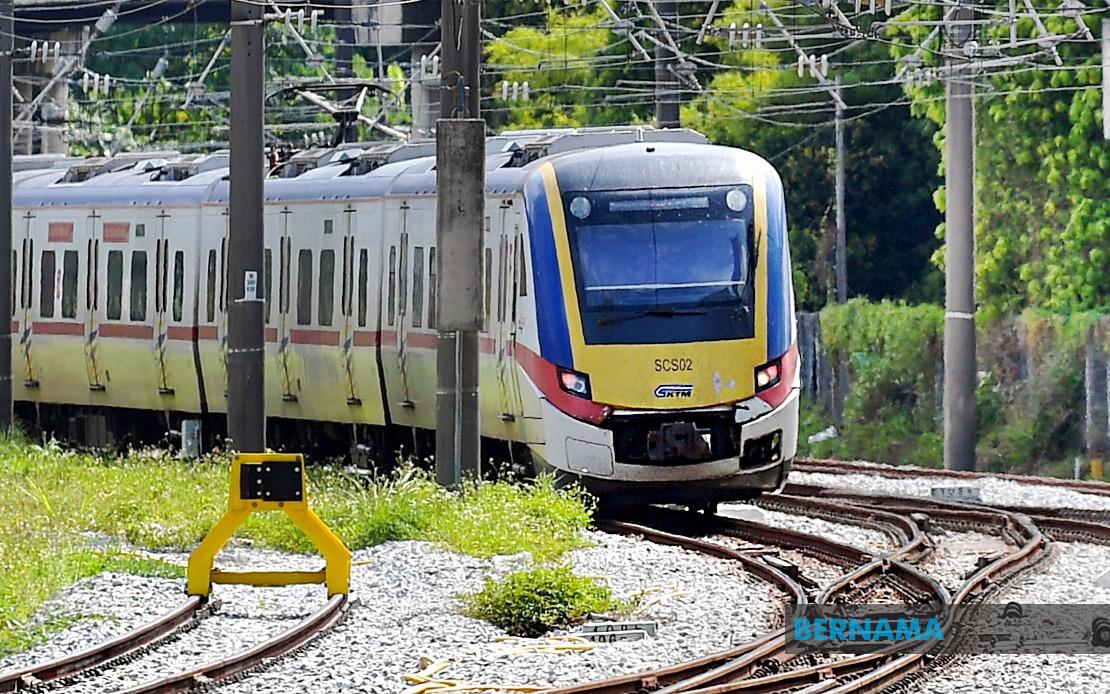
Compounding these efforts on the transportation front, Keretapi Tanah Melayu Bhd, the state-owned rail operator, has undertaken significant capacity expansion for its Electric Train Service heading toward Johor. According to Datuk Azlan Shah Al Bakri, the group's chief executive officer, an additional 7,560 seats have been allocated for services along the KL Sentral-JB Sentral-KL Sentral corridor from 10 to 12 July, effectively doubling the route's normal capacity to 15,120 seats. This expansion represents a substantial commitment of resources by the national rail provider, reflecting recognition of the political importance of the election and the logistical demands it imposes on Malaysia's transport infrastructure.
The uptake figures are striking. As of early morning on the announcement day, 12,769 seats—equivalent to 84 per cent of available capacity—had already been purchased, leaving only 2,351 seats unsold. Such high occupancy rates suggest either very strong genuine demand or the possibility that seats are being block-booked by political parties and affiliated organisations seeking to ensure their supporters can travel. The rapid depletion of inventory underscores how transport capacity can become a genuine constraint during election cycles, particularly in states like Johor where significant portions of the electorate have relocated.
KTMB has similarly augmented capacity on the Gemas-JB Sentral-Gemas route, expanding from its baseline 630 seats to 4,410 seats during the same three-day window. Whilst this route showed lower initial booking rates—47 per cent of capacity as of the report date—the expansion still provided 2,346 available seats for those preferring this alternative corridor. The distinction in uptake between the two routes likely reflects geographical preferences and the residential patterns of voters; many workers commuting between Johor and Kuala Lumpur may favour the direct KL Sentral option despite its premium pricing.
Real-time monitoring via KTMB's mobile application revealed that peak-hour services on Friday and Saturday were approaching sold-out status, although the railway operator has encouraged continued checking for last-minute availability. This dynamic pricing and seat-release pattern is increasingly common in transport operations, particularly during high-demand periods, though it can disadvantage less digitally literate passengers or those without advance notice of potential cancellations and rebookings.
The scale of the election itself contextualises these transport mobilisation efforts. A total of 172 candidates are contesting 56 seats in the 16th Johor state election, drawing on a registered electorate of 2,727,926 voters. The Saturday poll represents one of the most significant electoral exercises in the state in recent memory, with multiple political coalitions and independent candidates vying for control of the state government. Given Johor's economic importance and its historical significance in Malaysian politics, the turnout and composition of the vote will have reverberations extending well beyond the state's borders.
The coordinated mobilisation of both NGO-provided buses and enhanced rail capacity illustrates how electoral participation, particularly among geographically dispersed voter populations, requires multi-sector coordination. Whilst the government through KTMB has demonstrated willingness to invest in infrastructure expansion, civil society through Stesen Pemantauan Rakyat has filled complementary niches by providing free transport to those who might otherwise face financial barriers. Together, these initiatives aim to minimise logistical obstacles that might otherwise suppress turnout among the diaspora.
For Malaysian policymakers and electoral observers, the Johor election serves as a case study in how federal systems with high internal mobility create specific demands on electoral administration. As urbanisation continues and more Malaysians work outside their home constituencies, such transport coordination may become increasingly standard during election cycles. The question remains whether such ad-hoc expansions represent temporary responses to individual elections or signals of permanent changes in how Malaysian electoral logistics operate in an era of greater population mobility.

