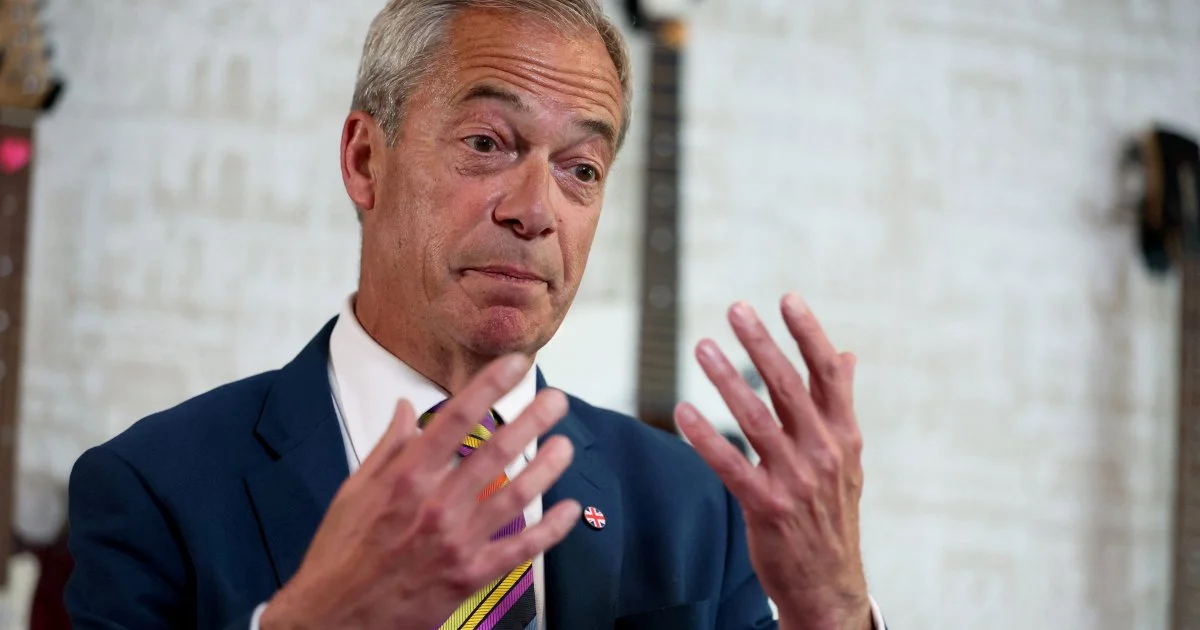
Nigel Farage, the prominent hard-right figure who has shaped British politics over the past decade, is contending with escalating controversy surrounding the non-disclosure of financial gifts and support. Recent reporting has uncovered allegations that a man with a conviction for fraud provided material assistance to Farage's security arrangements and staffing operations during a period before he secured election to the House of Commons, intensifying scrutiny of the politician's financial declarations.
The emergence of these allegations represents another chapter in an ongoing pattern of questions about Farage's compliance with parliamentary disclosure requirements and financial transparency rules. The politician has previously faced criticism regarding the declaration of donations and support, making this fresh revelation particularly damaging to his credibility on matters of integrity and proper governance. For Malaysian observers accustomed to local standards of political accountability, the controversy underscores how even established democracies grapple with enforcing transparent financial practices among their political leadership.
The involvement of an individual with a criminal conviction for fraudulent conduct raises particularly acute concerns about the source and legitimacy of financial backing. Such arrangements could suggest either lax oversight on Farage's part regarding the vetting of supporters, or deliberate avoidance of proper disclosure mechanisms. Either interpretation presents problematic implications for a politician who frequently positions himself as an outsider challenging the establishment and demanding higher ethical standards from others in public life.
Farage's trajectory through British politics has been marked by his ability to mobilise public sentiment, particularly around immigration and national sovereignty concerns. His influence extended far beyond his direct parliamentary representation, shaping the political landscape through his leadership of the Brexit Party and earlier formations. However, this latest allegation threatens to undermine the anti-establishment narrative that has formed the foundation of his political appeal, particularly among voters who view him as a challenger to entrenched interests.
The timing of these revelations carries weight beyond the immediate facts themselves. They arrive amid broader questions in British politics about the adequacy of current transparency and disclosure frameworks. While UK parliamentary rules require members to declare material financial benefits and gifts above certain thresholds, critics have long contended that loopholes and enforcement gaps permit sophisticated actors to obscure the true sources of their financial support. The Farage case exemplifies these systemic weaknesses that permit allegations of non-compliance to persist and accumulate.
For readers across Southeast Asia observing British politics, this episode illustrates how vulnerability to corruption allegations does not distinguish between established democracies and developing systems. The mechanisms for accountability prove only as robust as their consistent application and the political will to enforce them rigorously. Farage's case demonstrates that prominent political figures can challenge financial transparency requirements with limited immediate consequences, a pattern that resonates across many jurisdictions where political accountability remains contested terrain.
The inclusion of security funding in the alleged undisclosed gifts introduces additional complexity to the matter. Security arrangements for politicians often carry legitimate necessity, yet represent substantial financial obligations that should remain transparent and properly documented. If such costs were covered by external supporters without appropriate declaration, this raises questions about potential leverage or undue influence that such patrons might subsequently exercise over the politician's conduct and decision-making.
The allegation involving a fraudster carries particular weight in terms of reputational damage. Association with individuals convicted of financial crimes inevitably invites speculation about judgment and judgment lapses. While accepting support or accepting support inadvertently from morally compromised individuals may technically differ from misconduct, the optics prove difficult to rehabilitate, especially for a politician whose brand relies heavily on presenting himself as a principled outsider untainted by the compromises of ordinary politics.
Farage's political movement has consistently positioned itself in opposition to what supporters characterise as an out-of-touch establishment divorced from ordinary citizens' concerns. The irony of facing allegations about concealed financial dealings operates contrary to this carefully cultivated image of transparency and authenticity. Voters who have supported him partly on the basis of his claimed contrast to traditional politicians may question whether such assertions hold validity when facing similar accountability problems that traditionally plague establishment figures.
The broader implications for British politics extend beyond individual reputational consequences. These allegations contribute to a growing body of evidence suggesting that parliamentary disclosure mechanisms require strengthening and more rigorous enforcement. Cross-party consensus on enhancing transparency frameworks could address systemic vulnerabilities that permit questionable practices to continue unchecked. Whether political leaders will prioritise such reforms, particularly when their own conduct faces scrutiny, remains uncertain.
As this controversy develops, Malaysian observers might reflect on how different democratic systems approach financial transparency for political actors. While Britain's established institutions provide mechanisms for investigating and publicising such allegations, the effectiveness of these systems depends upon consistent application and genuine political commitment to accountability principles. The Farage case will likely influence ongoing debates about whether current safeguards prove sufficient or whether more comprehensive reforms remain necessary to ensure that political financing maintains public legitimacy and integrity.
The immediate political fallout for Farage remains to be determined, though the accumulation of such allegations inevitably impacts his political capital and standing among both supporters and critics. Whether these revelations translate into formal investigations or parliamentary action will substantially influence their ultimate significance within the broader narrative of British politics and democratic accountability standards.

