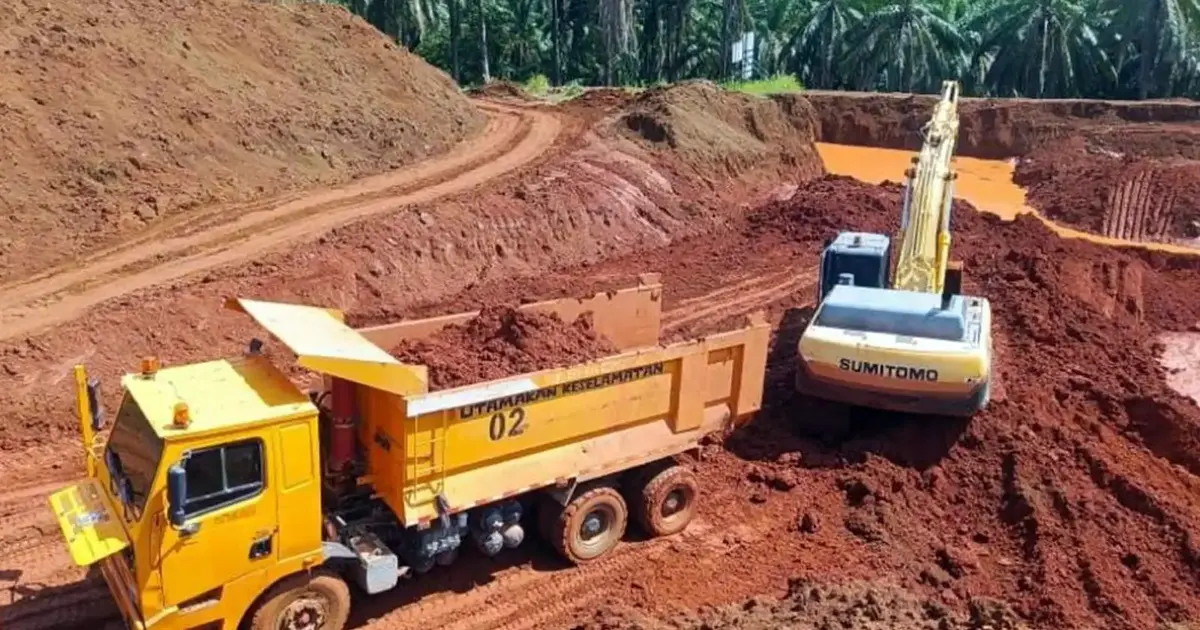
Authorities have moved against an illegal bauxite mining operation on a Felda plantation, culminating in the arrest of nine individuals and the seizure of assets worth RM3.75 million. The General Operations Force led the enforcement action, which has exposed another layer of organized resource theft affecting Malaysia's agricultural development schemes.
The nine individuals detained during the operation are believed to constitute a coordinated network engaged in the systematic extraction and trafficking of bauxite ore from the plantation estate. Among those arrested are foreign nationals whose involvement suggests transnational dimensions to the illegal mining enterprise. The scale of confiscated assets points to a well-resourced operation that had accumulated significant equipment and financial holdings through its illicit activities.
Barauxite mining in Malaysia remains a persistent challenge, particularly in plantation areas where extraction can degrade soil quality and contaminate groundwater. Felda plantations, which form the backbone of rural development initiatives and employ thousands of smallholder families, are vulnerable to incursions by organized criminal groups seeking to exploit natural resources. The mineral commands international demand in the aluminum and chemical industries, creating powerful economic incentives for illegal extraction regardless of environmental and legal consequences.
The confiscated bauxite itself represents both the evidence of criminal activity and a quantifiable loss to legitimate economic activity. Illegal mining operations bypass royalty payments and environmental compliance requirements that would normally fund development initiatives and conservation efforts. The presence of foreign nationals in the operation underscores how international criminal syndicates have learned to exploit resource-rich areas in Southeast Asia where enforcement capacity may be stretched across vast territories.
This raid demonstrates the continuing pressure that law enforcement agencies face in protecting designated development zones. Felda settlements operate under specific regulatory frameworks designed to benefit member farmers, yet unauthorized extraction undermines the sustainability of these schemes. The timing and scale of the operation suggest intelligence-led policing rather than random patrol discovery, indicating that enforcement agencies have been dedicating resources to map and counter these networks.
The RM3.75 million figure encompasses vehicles, machinery, processing equipment, and potentially cash or banking records seized during the raid. Such substantial asset seizure can significantly disrupt operational capacity, forcing reconstruction periods that consume time and capital for criminal networks. However, enforcement authorities acknowledge that as long as market demand persists and profit margins remain attractive, new operators may attempt similar enterprises.
Regionally, illegal bauxite mining represents a shared challenge across Southeast Asia. Countries including Indonesia, Vietnam, and Cambodia have grappled with similar operations that fuel environmental degradation and regional trafficking networks. Malaysian enforcement authorities increasingly coordinate with counterparts in neighboring countries to dismantle cross-border supply chains and prevent displaced operations from simply relocating jurisdictions.
The foreign nationals involved suggest potential connections to international criminal enterprises with experience moving contraband across maritime routes and terrestrial borders. Southeast Asia's porous boundaries and complex jurisdictional arrangements have historically provided operational advantages to organized crime groups. The General Operations Force's success in this instance may prompt similar crackdowns elsewhere, though resource constraints mean comprehensive coverage remains elusive.
For Felda members and plantation communities, such incidents generate concerns about security and the long-term viability of their livelihoods. Illegal mining can lower property values, degrade productive land, and create safety hazards. The removal of these nine individuals and their operational infrastructure provides temporary relief, though vigilance remains necessary as criminal networks constantly seek alternative entry points.
Looking forward, strengthening perimeter security at Felda sites, improving intelligence sharing between agencies, and enhancing community awareness programs may help prevent recurrence. Technology such as drone surveillance and soil monitoring could alert authorities to unauthorized extraction before significant damage accumulates. Equally important is addressing the demand side through stricter enforcement against purchasers and processors of illegally sourced bauxite, creating market disincentives that complement supply-side interventions.
The investigation into this operation may reveal additional intelligence about funding sources, buyer networks, and potential connections to other illegal mining sites. Such information could inform broader strategy refinements as authorities seek to make Malaysia a less attractive jurisdiction for resource crime. Collaborative approaches involving plantation management, local communities, law enforcement, and environmental agencies will likely prove more effective than enforcement actions alone.

