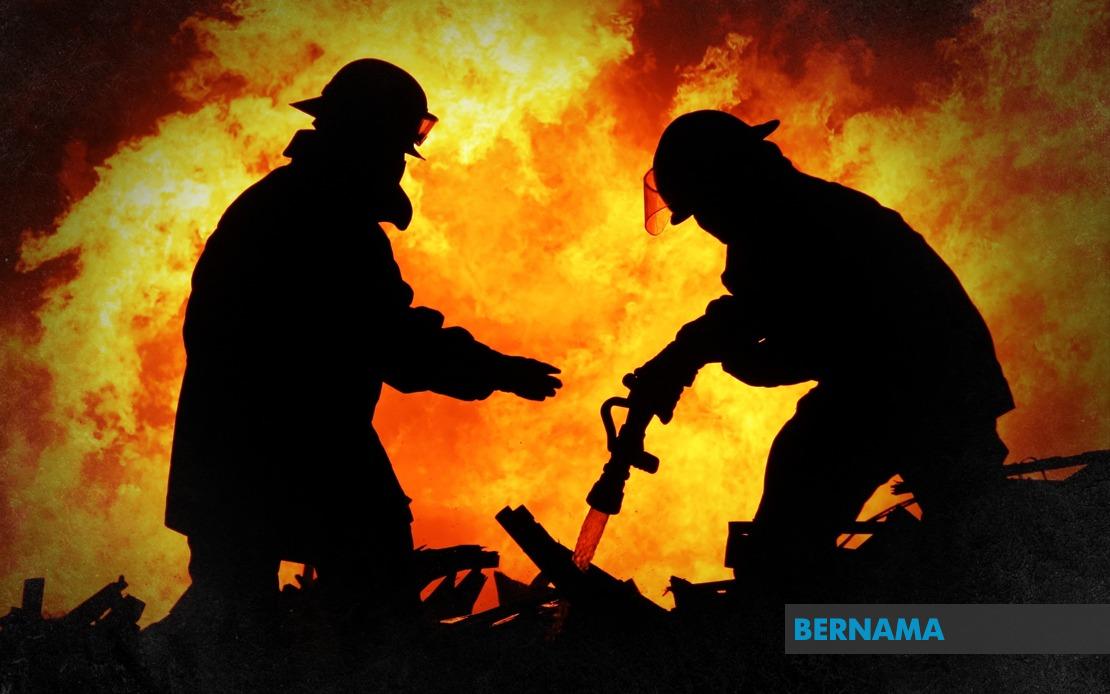
A catastrophic explosion at a firecracker manufacturing facility in Gujarat has claimed nine lives, adding to India's grim record of industrial accidents in the pyrotechnics sector. The blast occurred at Talent Fireworks, situated in the Vastral locality of Ahmedabad, devastating the facility and leaving six additional workers with injuries. The incident underscores the persistent dangers that characterise India's largely unregulated fireworks manufacturing industry, where cost-cutting and regulatory circumvention routinely supersede worker safety.
The factory's operation without official licensing represents a common pattern across India's firecracker manufacturing landscape. Local police moved swiftly to apprehend the facility's proprietor following the explosion, though authorities have yet to detail whether additional charges related to negligence or violations of safety protocols will be pursued. The unlicensed status of the operation suggests that the establishment operated outside government oversight mechanisms designed to enforce minimum safety standards, proper storage of volatile materials, and regular workplace inspections.
India's national government has already announced immediate financial assistance to the bereaved families. Prime Minister Narendra Modi expressed sympathy for those affected and declared that 200,000 rupees—approximately RM8,490 per family—would be disbursed from the Prime Minister's National Relief Fund to each deceased worker's next of kin. This intervention, while demonstrating official acknowledgment of the tragedy, represents a largely symbolic gesture given the scale of loss experienced by the victims' families and dependents.
State-level authorities have pledged additional support to ease the financial burden on grieving households. Gujarat Chief Minister Bhupendra Patel announced that the state government would provide 400,000 rupees, roughly RM16,980, to each family that lost a member in the explosion. Combined with the central government's allocation, the total compensation reaches approximately RM25,470 per family, a sum that, while substantial in absolute terms, falls short of what many economists argue represents adequate redress for the loss of a primary wage earner in an industrial accident.
The tragedy reflects a broader structural challenge within South Asia's manufacturing sector, where the pursuit of profit margins frequently conflicts with investment in worker protection. Firecracker manufacturing in India typically occurs across thousands of small, informal operations scattered throughout states like Gujarat, Tamil Nadu, and Telangana. These facilities, many of which function clandestinely or with minimal regulatory compliance, employ hundreds of thousands of workers—frequently drawn from economically vulnerable communities with limited bargaining power or access to alternative employment.
Fire and explosion hazards pervade the industry due to the inherent volatility of the chemical compounds used in firecracker production. Gunpowder, metal compounds, and other pyrotechnic materials require careful handling, storage at appropriate temperatures and humidity levels, and rigorous quality control to prevent accidental ignition. Most informal facilities lack proper ventilation systems, fire suppression equipment, personal protective gear for workers, and emergency evacuation procedures. When accidents occur, the consequences are frequently catastrophic, as the sealed or poorly ventilated structures amplify blast force and trap workers unable to escape.
The regulatory framework theoretically governing India's firecracker industry remains inadequate to prevent such disasters. The Explosive Rules administered through various state governments theoretically mandate licensing, regular inspections, and adherence to safety protocols. However, enforcement remains sporadic and inconsistent, particularly in states where the industry provides significant employment and political influence. Corruption, bureaucratic capacity constraints, and the political influence of firecracker manufacturers all contribute to a climate where violations of safety regulations incur minimal consequences relative to the financial benefits of non-compliance.
For Malaysian readers, this incident carries particular relevance given regional interconnections in manufacturing supply chains and the movement of labour across South Asian economies. Several Southeast Asian nations import firecracker products from India, and some Malaysian workers have historically sought employment in Indian manufacturing facilities. The incident illustrates the occupational hazards that extend across the region's informal and semi-formal economic sectors, where labour protections remain uneven and enforcement mechanisms weak.
The tragedy also reflects broader questions about development trajectories in rapidly industrialising economies. While India's formal manufacturing sector has gradually implemented more stringent safety standards under government pressure and international scrutiny, the massive informal economy continues to operate with minimal oversight. This bifurcation—between relatively protected formal sector workers and vastly larger populations employed in hazardous informal settings—represents one of the defining labour challenges across South Asia, including Malaysia's own informal sectors.
Experts in occupational safety have long identified firecracker manufacturing as among India's most dangerous industries, with fatality rates substantially exceeding national industrial averages. Worker education initiatives, government crackdowns on unlicensed facilities, and industry-wide safety standards have achieved limited traction against economic pressures incentivising unsafe practices. The Talent Fireworks explosion demonstrates that despite periodic official statements and compensation announcements following major incidents, systemic change remains elusive. Without fundamental restructuring of regulatory enforcement, mandatory safety technology adoption, and economic support for transition to safer production methods, similar tragedies will continue occurring across the subcontinent.

