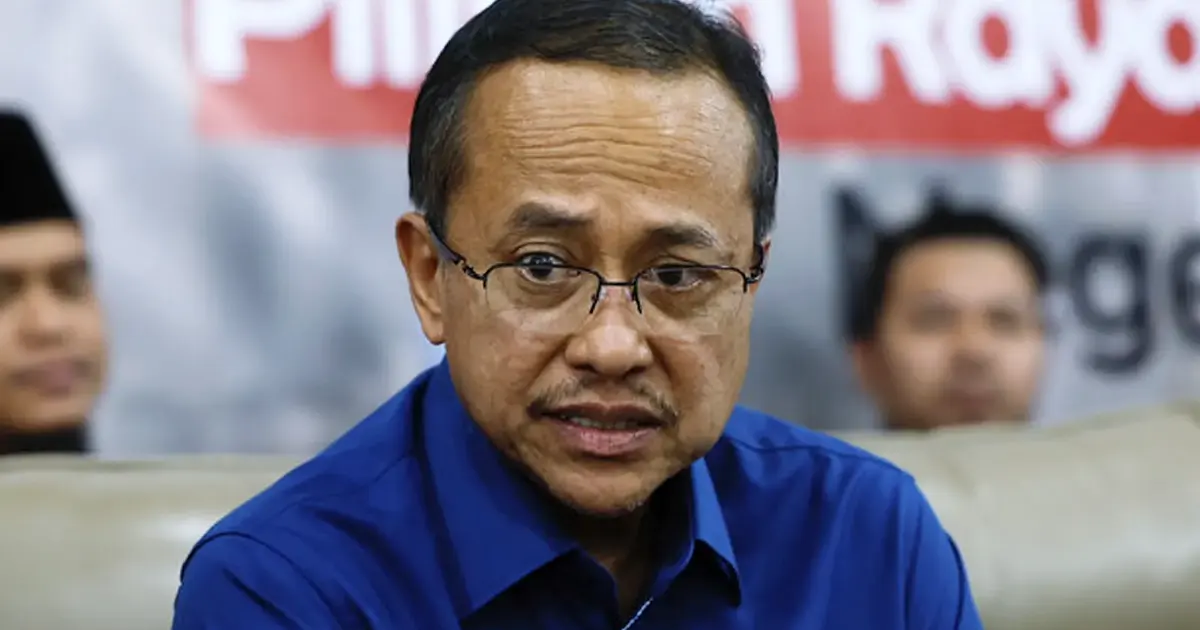
Perikatan Nasional chairman Samsuri Mohamad has moved to reassure coalition members and voters that the use of a unified party logo by multiple component parties will not create electoral confusion or undermine campaign efforts. The statement comes as the coalition prepares for electoral contests where both PAS and Bersatu, two of PN's major constituent parties, will campaign under the same recognisable branding.
Samsuri's clarification addresses mounting questions about the practical implications of allowing separate parties within the same coalition to utilise identical or near-identical logos during election campaigns. Critics have raised concerns that such an arrangement could muddy voter messaging and make it difficult for supporters to distinguish between candidates from different parties, particularly in competitive constituencies where margins of victory can be razor-thin.
The coalition chairman's core argument rests on a straightforward operational fact: PAS and Bersatu are not fielding candidates in overlapping constituencies. Each party maintains its own slate of candidates in designated seats, with geographic distribution ensuring minimal territorial competition between the coalition's heavyweight components. This territorial division, Samsuri contends, eliminates the risk of internal sabotage or voter confusion that might otherwise accompany the sharing of electoral branding.
The arrangement reflects a broader strategic calculation within Perikatan Nasional's internal organisation. Rather than view the unified logo as a potential liability, coalition leadership has positioned it as a strength, a visual symbol of cooperation and unified messaging against opposition forces. The shared branding is intended to convey organisational cohesion and collective electoral strength to voters who may be undecided between parties within the coalition's family.
For Malaysian voters in constituencies contested by PN, the presence of a single logo across multiple parties effectively communicates that they are voting within an aligned political bloc rather than selecting from genuinely competing alternatives. This consolidation of brand identity represents a departure from earlier electoral cycles when coalition partners maintained more visibly distinct campaign identities. The shift towards unified branding reflects confidence in the coalition's structural stability and suggests internal negotiations have produced agreed-upon boundaries for candidate allocation.
The territorial division between PAS and Bersatu that Samsuri referenced operates within a larger ecosystem of coalition politics that has become increasingly complex in Malaysian elections. The two parties bring different electoral bases and regional strengths—PAS traditionally commands stronger support in the northern states and among rural constituencies, while Bersatu has attempted to position itself as a multiethnic alternative with urban appeal. By allocating distinct constituencies to each party rather than forcing competition in every seat, the coalition maximises its total candidate count and vote capture across different demographic zones.
This bifurcated approach to candidate deployment also serves to manage potential internal resentment. By ensuring each component party receives adequate representation through non-competing candidacies, Samsuri's leadership minimises friction that could otherwise arise from perceptions of unfair seat distribution. In coalition politics, the principle of equitable seat allocation often trumps considerations of individual candidate competitiveness, since maintaining coalition unity is essential for electoral success at the national level.
From a voter perspective, however, the implications remain somewhat ambiguous. A unified logo creates psychological association with the entire coalition bloc, which can benefit strong-performing parties and drag down weaker performers. Voters may not fully appreciate territorial distinctions between parties using identical branding; many may simply vote for the logo without grasping which specific party component they are ultimately supporting. This dynamic could inadvertently shape seat outcomes in ways that diverge from each party's actual organisational strength.
The larger context for this arrangement involves the evolving landscape of Malaysian coalition politics post-2020. The emergence of Perikatan Nasional as a major political force disrupted traditional two-coalition competition and introduced new complexities into electoral strategy. Samsuri's reassurances about logo usage reflect an effort to project normalcy and coherence within an organisational structure that many Malaysians still perceive as relatively novel and potentially unstable.
Regional observers watching Malaysian politics will note that unified branding represents a sophisticated approach to coalition management, particularly when component parties possess unequal electoral strength. By leveraging a shared logo, weaker coalition members gain association with stronger ones, while the coalition projects an image of singular purpose rather than contested internal interests. This branding strategy thus serves multiple audiences simultaneously: it communicates unity to supporters, signals strength to potential swing voters, and reinforces coalition identity to sceptical media observers.
Looking ahead, Samsuri's confidence in the logo arrangement suggests the coalition leadership believes the electoral benefits of visual unity outweigh any risks associated with voter confusion. Whether this calculation proves accurate will ultimately depend on how voters respond to PN's unified messaging and whether territorial divisions between PAS and Bersatu hold firm throughout the campaign period. The statement itself, however, reveals a coalition increasingly comfortable with consolidating its political identity under a single visual banner.

