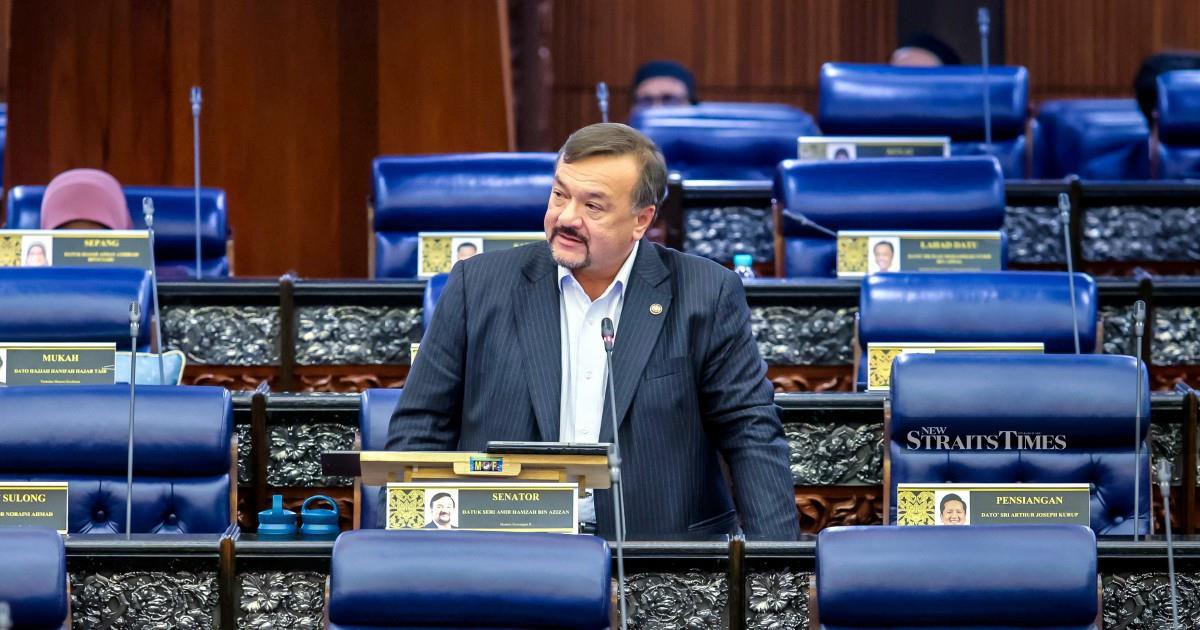
Malaysia's government has made an unequivocal commitment that anyone implicated in financial irregularities or mismanagement at Tabung Haji will face accountability without exception. The assurance came as authorities intensify their examination of the Islamic pilgrimage fund's complex investment portfolio and historical financial decision-making processes that have drawn increasing scrutiny.
The pledge represents a significant reaffirmation of commitment to transparency within one of the country's most significant state-linked institutions. Tabung Haji, which manages savings and investment funds for Malaysian Muslims preparing for the hajj pilgrimage, holds hundreds of billions of ringgit in assets and serves over three million contributors. The institution's financial health and governance practices therefore carry profound implications for millions of Malaysian families who depend on the fund to support their religious obligations and long-term savings goals.
Investigations into the fund have focused on examining past investment strategies and financial management practices spanning several years. This scrutiny has raised questions about oversight mechanisms, decision-making processes, and whether adequate safeguards existed to protect contributors' interests during periods when investment returns and portfolio performance faced challenges. The complexity of Tabung Haji's operations—involving international market exposure, real estate holdings, and equity investments—has necessitated detailed technical review of historical transactions and approvals.
For Malaysian readers, the significance of these investigations extends beyond institutional governance. Many ordinary Malaysians depend on Tabung Haji contributions as a dedicated savings vehicle for fulfilling one of Islam's five pillars. Any mismanagement directly impacts their financial security and ability to perform hajj. The government's pledge therefore addresses concerns among contributors about whether their funds have been handled with appropriate diligence and whether mechanisms exist to recover any losses resulting from mismanagement.
The commitment to investigate without protecting any individual, regardless of seniority or political connections, also signals an attempt to restore public confidence in Malaysia's institutional accountability frameworks. In previous years, concerns have been raised about selective prosecution and differential treatment based on status. By explicitly stating that no one will receive protection, authorities are attempting to demonstrate that governance investigations operate on merit-based assessment of evidence rather than political considerations.
Such assurances become particularly important given the interconnected nature of Malaysia's business and political landscape. Senior positions at major institutions often intersect with political networks and business relationships. Public commitments to pursue all wrongdoing regardless of rank therefore serve as important benchmarks against which authorities can later be held accountable. The explicit nature of this guarantee makes it substantially harder for investigations to be quietly shelved or redirected for political convenience.
The ongoing probe also carries implications for Tabung Haji's future governance structure and operational reforms. Beyond identifying and addressing past failures, investigators will likely recommend enhanced oversight mechanisms, independent audit functions, and improved segregation of duties to prevent similar issues. These reforms could establish standards that influence governance practices across other government-linked companies and state institutions managing public resources.
For the broader Southeast Asian context, Malaysia's handling of the Tabung Haji investigation may influence approaches to institutional accountability elsewhere in the region. Several neighbouring countries manage similar religious or social welfare funds with comparable complexity and asset bases. How Malaysia addresses governance failures and implements remedial measures could provide instructive lessons—both positive and cautionary—for regional peers managing comparable institutions.
The investigation also reflects evolving standards around institutional governance in Malaysia. Authorities are examining not just whether laws were technically broken, but whether decision-makers exercised appropriate fiduciary responsibility. This represents a more sophisticated accountability framework than simply identifying outright fraud or illegality. Contributors' interests should have been paramount in investment decisions, and any departure from this principle—even if not strictly illegal—warrants scrutiny.
Moving forward, the government's challenge will be ensuring that the investigation maintains credibility and reaches conclusions that contributors perceive as fair and justified. Given Tabung Haji's cultural significance in Muslim-majority Malaysia, any perception that investigations were politically motivated or incompletely pursued could further damage institutional trust. The explicit guarantee of no protection for wrongdoers is therefore as much about establishing investigative legitimacy as ensuring accountability.
As authorities continue their detailed examination of investment decisions and financial management practices, the test of this government commitment will come in the actual findings and actions taken. Contributors monitoring these developments will be assessing whether the promised accountability translates into genuine reform, proper consequences for those responsible for failures, and renewed confidence in the institution's stewardship of their savings.

