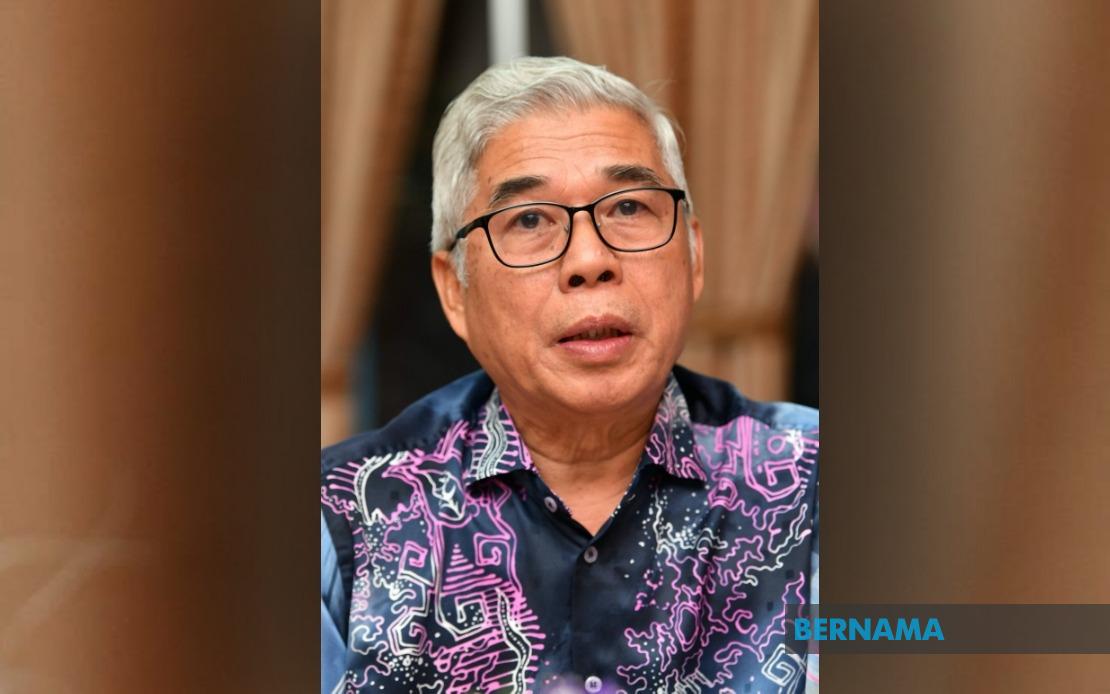
Pasir Gudang Member of Parliament Hassan Abdul Karim has publicly cautioned Prime Minister Datuk Seri Anwar Ibrahim against dissolving Parliament prematurely, urging the MADANI Government to serve out its full elected term. In remarks made from Johor Bahru, Hassan stressed that the administration should focus on allowing its policy framework to generate measurable outcomes rather than succumbing to pressure for an early 16th General Election (GE16).
Hassan's intervention comes against a backdrop of electoral setbacks for PKR in recent state-level contests. The party's performance in Sabah, Johor, and Negeri Sembilan elections has generated internal discussion about the government's political positioning and electoral prospects. Rather than interpreting these outcomes as a signal to call fresh national elections, Hassan argues that such reasoning would be counterproductive and strategically misguided. His public statement via social media, titled "DON'T CRY PKR, Dunia Belum Kiamat" (Don't Cry PKR, The World Has Not Ended), reflects an attempt to steady nerves within the coalition and redirect focus toward longer-term objectives.
The rationale underpinning Hassan's position centres on economic performance and public perception. He contends that maintaining governance continuity until the natural expiration of the current mandate—anticipated in late 2027 or early 2028—would afford the government sufficient runway to implement and demonstrate the impact of its economic initiatives. State-level election outcomes, he implies, should not dictate national electoral timing, particularly when macro-economic strategies require years to deliver observable improvements in living standards and economic activity.
For Malaysian readers and policymakers, Hassan's argument resonates with broader concerns about electoral fatigue and governance consistency. Malaysia has witnessed multiple electoral cycles in recent years, with significant costs attached to campaigning, campaign logistics, and the administrative burden of holding elections. Frequent electoral contests can also create uncertainty in business planning and investment decisions, as domestic and foreign investors alike prefer stable political environments. The call to allow policies adequate time to mature suggests a recognition that economic transformation—whether through foreign direct investment attraction, infrastructure development, or sectoral reform—cannot be compressed into election cycles.
Hassan's emphasis on strengthening the economy and attracting foreign direct investment over the next 12 to 18 months reflects contemporary development priorities. Southeast Asia, including Malaysia, faces intensifying competition for FDI as geopolitical realignment and supply chain diversification create new opportunities. However, these opportunities are often contingent on political stability and demonstrated policy consistency. Governments perceived as capable of maintaining coherent economic direction tend to attract more institutional investment. Conversely, those perceived as preoccupied with electoral positioning may face investor caution. Hassan's intervention implicitly acknowledges this dynamic.
The timing of Hassan's statement also merits attention within the broader Malaysian political context. Pakatan Harapan's coalition has faced questions about cohesion and strategic direction since the 2022 general election. Internal disagreements over policy direction and the balance of influence within the alliance have periodically surfaced in media reporting. Hassan's call for the government to "govern the country well" and avoid hasty decisions suggests an effort to reorient discourse away from electoral speculation and toward substantive governance. This reframing may carry particular weight given Hassan's position as a backbench MP without ministerial office, positioning him as less directly invested in cabinet-level competition.
Hassan's counsel to PKR specifically—encouraging the party to "take a rest" after campaigning and to "carefully plan a good strategy" for GE16—reflects a recognition that state election losses can trigger panic responses among party members and supporters. The psychological and organizational damage from reactive decision-making, particularly if it results in electoral missteps, could exceed the damage from the initial defeats themselves. By framing the interim period as one of strategic consolidation rather than crisis, Hassan attempts to provide PKR with a narrative pathway that acknowledges difficulties without surrendering to despair.
The economic rationale underlying Hassan's position gains salience when examined against Malaysia's medium-term development imperatives. The nation faces structural challenges including productivity growth, wage-competitiveness pressures, and the need to transition away from commodity dependence. These transformations require sustained policy implementation spanning multiple years. Educational reforms, infrastructure investments, and industry development initiatives cannot demonstrate meaningful returns within months or even a single election cycle. Public confidence in government economic management, Hassan implies, will emerge only as citizens observe tangible improvements in employment opportunities, wage levels, and access to services—outcomes that materialize through sustained effort rather than political gestures.
Hassan's final exhortation to PKR members—reminding them that the party is a "reform party" and encouraging them to maintain "fighting spirit"—addresses the morale challenge facing the coalition. Coalition members and supporters who invested effort in recent state campaigns must be convinced that temporary setbacks do not reflect strategic failure or necessitate panicked course corrections. The framing of elections as inevitable contests requiring preparation rather than immediate responses helps psychologically transition the party from campaign exhaustion to renewal.
For Southeast Asian observers, Hassan's position illustrates ongoing tensions within democratic systems regarding electoral timing, political competition, and governance continuity. While no political system should be insulated from electoral accountability, the timing of elections carries material consequences for policy implementation, investment climate, and public welfare. The debate implicit in Hassan's statement—between responding to electoral disappointments through immediate action and persisting with longer-term strategic commitments—remains pertinent across the region as multiple governments navigate competing pressures for electoral renewal and policy completion.
Ultimately, Hassan's intervention contributes to a crucial conversation about the relationship between electoral cycles and policy effectiveness. His argument that GE16 should not be called before the natural expiration of the current mandate reflects confidence that the government's economic policies will improve public sentiment if allowed adequate time to generate results. Whether this confidence proves warranted will depend on the government's actual economic performance in coming months, but Hassan's public advocacy for patience and strategic discipline represents an important voice counselling restraint within coalition ranks.

