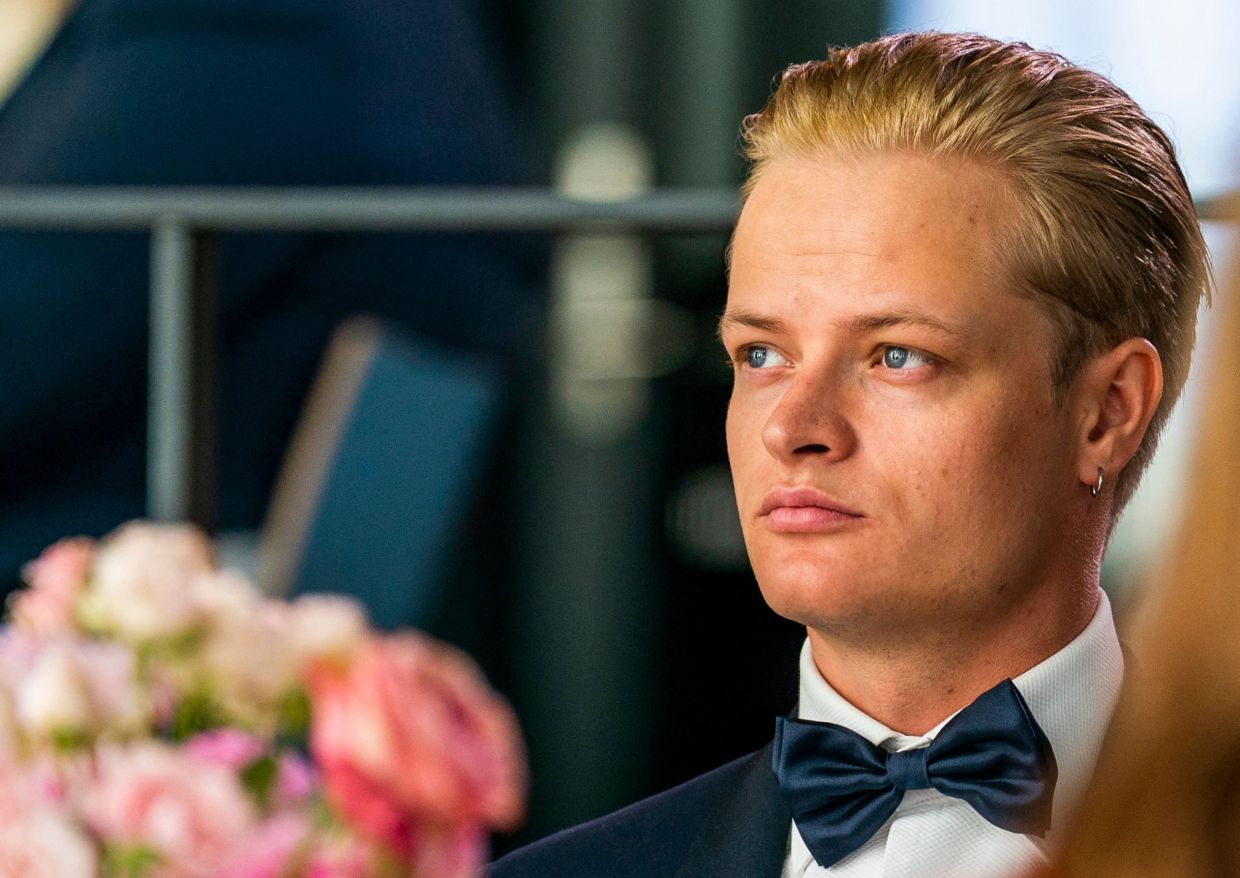
Marius Borg Høiby, the 29-year-old eldest son of Norway's Crown Princess Mette-Marit, received a four-year prison sentence on Monday following his conviction on two rape charges and additional counts of assault and abuse within intimate relationships. The Oslo District Court verdict marks the conclusion of a high-profile trial that has captivated international media attention, largely because of the defendant's connection to the Norwegian royal succession and his upbringing alongside the future king.
The court found Høiby guilty of sexually assaulting two women who were either asleep or otherwise incapable of resisting his advances. He was acquitted on two additional rape allegations but convicted on the assault and domestic abuse matters. The judgment also requires him to provide financial compensation to his victims. The verdict represents a middle ground between the prosecution's request for seven years and seven months imprisonment and the defence's argument for acquittal on rape charges with a maximum 18-month sentence for admitted lesser offences.
Høiby had faced a comprehensive criminal docket encompassing 40 charges spanning a range of severity. Beyond the rape allegations, he confronted accusations related to drug offences, violations of restraining orders, and various forms of assault. While he consistently denied the sexual assault allegations throughout proceedings, he acknowledged responsibility for numerous lesser charges. This selective admission strategy, coupled with the court's mixed verdict, reflects the complexity of evidence presented during the trial.
The incidents under investigation occurred between 2018 and 2024, with four women identified as complainants in the sexual assault allegations. The six-week trial, which concluded in March, involved testimony from multiple accusers and examination of substantial physical evidence drawn from Høiby's mobile devices. Messages, photographs, and videos presented during proceedings provided documentary evidence that proved pivotal to the court's deliberations and ultimate findings.
Significantly, Høiby's absence from Monday's sentencing hearing underscores ongoing health concerns surrounding his detention. He observed the verdict reading through video link from his prison cell rather than appearing in person, citing unspecified medical reasons. This arrangement stands in contrast to typical courtroom procedure and suggests complications within the Norwegian penal system's capacity to accommodate his circumstances during the trial process.
The royal family dimension adds unusual complexity to what would otherwise be a serious criminal matter handled with standard legal procedures. Høiby holds no official royal title and performs no state duties, yet his household position during childhood—growing up in the residence of Crown Prince Haakon, heir to the Norwegian throne—creates unavoidable connections to the monarchy. His mother's relationship with Crown Prince Haakon preceded their marriage, meaning Høiby entered the royal household as a pre-existing family member rather than being born into formal royal status.
Parallel to the sentencing proceedings, separate legal arguments have preoccupied Norwegian courts regarding whether Høiby should receive temporary release from custody pending the verdict announcement. Multiple appeals court decisions maintained his detention throughout the trial period, rejecting defence motions for provisional freedom. These custody determinations operated independently from the substantive rape and assault charges, reflecting judicial concern about flight risk or public safety considerations.
The timing of the verdict coincides with heightened scrutiny of Crown Princess Mette-Marit's health status. The crown princess suffers from pulmonary fibrosis, a progressive lung condition, and is currently on the waiting list for a lung transplant. Her deteriorating medical condition has intensified public concern and media coverage, inadvertently amplifying attention to her son's legal troubles. The convergence of royal health crisis and criminal proceedings has created sustained pressure on the Norwegian royal household.
Further complicating the royal family's public standing, recent disclosures have emerged regarding Crown Princess Mette-Marit's past contacts with Jeffrey Epstein, the deceased American financier convicted of sex offences. She has issued a public apology acknowledging poor judgment in maintaining this association and has been explicitly cleared of any personal wrongdoing. Nevertheless, the revelation has invited renewed examination of the monarchy's judgment and discretion in managing personal relationships, occurring simultaneously with her son's sexual assault conviction.
The sentence handed down Monday is not final, and Høiby retains the right to appeal both conviction and sentencing determination. Norwegian appellate courts will have opportunity to review the trial record, evidentiary basis, and judicial reasoning. This prospect means legal proceedings will likely continue for months or potentially years, prolonging media attention and public discussion of the case.
For Malaysian and broader Southeast Asian observers, the case illuminates how even constitutional monarchies with established legal institutions and democratic governance structures must navigate serious criminal allegations involving family members of national leaders. The contrast between Høiby's lack of formal royal status and his de facto proximity to power demonstrates how institutional relationships can complicate legal processes regardless of official titles. The Norwegian court's willingness to proceed with comprehensive prosecution and conviction, despite royal family involvement, suggests that established democracies maintain judicial independence despite reputational pressures on monarchical institutions.