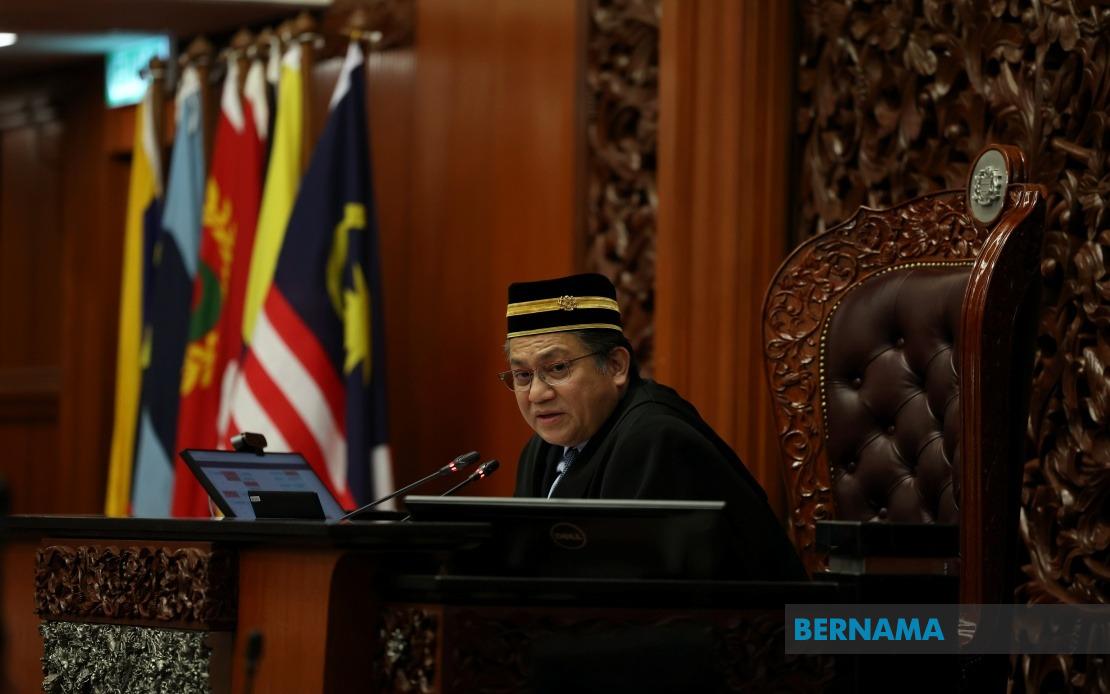
Senator Datuk Nur Jazlan Mohamed has secured reappointment as Deputy Speaker of the Dewan Negara for a second consecutive term, cementing his position within Malaysia's upper legislative chamber. The nomination was formally presented by Higher Education Minister Datuk Seri Zambry Abd Kadir, acting on behalf of Prime Minister Datuk Seri Anwar Ibrahim, during proceedings at the Dewan Negara on July 20. As the sole candidate for the role, Nur Jazlan's appointment proceeded without competition, underscoring the confidence placed in his continued stewardship of the chamber's business.
Nur Jazlan's new mandate extends for three years from June 15 2026 to June 14 2029, following formal reappointment by the Yang di-Pertuan Agong. The 60-year-old lawmaker brings considerable parliamentary experience to the office, having previously served as Deputy Speaker of the Senate since June 2023. His political career spans nearly two decades of high-level service, including tenure as Deputy Home Minister between 2015 and 2018, a period that coincided with significant security and governance challenges across Malaysia.
The UMNO Supreme Council member and chief of the party's Pulai Division represents continuity within the upper house leadership structure. His previous role as Member of Parliament for Pulai from 2004 to 2018 provided a foundation of constituency experience before his transition to the Senate. This background in representative politics distinguishes him from senators who enter the chamber through purely appointive mechanisms, granting him direct insight into grassroots concerns that inform upper house deliberations on national legislation.
Simultaneously with Nur Jazlan's reappointment, fellow Senator Mussodak Ahmad was also sworn in for a second term. Mussodak, who serves as Kedah PAS secretary, received reappointment through a three-year mandate from March 20 2026 to March 19 2029, courtesy of the Kedah State Legislative Assembly. The dual reappointments reflect the deliberate balance between federal and state-level appointments that characterize the composition of Malaysia's upper chamber, ensuring both tiers of governance maintain representation within Senate deliberations.
Mussodak's path to the Senate began in March 2023, when he was first appointed as a Senator representing Kedah. Prior to his initial appointment, he contested both the Bayu and Guar Chempedak state seats, demonstrating political ambition at the state legislative level. His appointment through the state assembly mechanism reflects the constitutional framework whereby individual state governments nominate senators, distributing power across the federation and preventing concentration of upper house influence solely within federal hands.
The reappointments arrive as the Dewan Negara convenes for its Second Meeting under the Fifth Term of the 15th Parliament. The current sitting, which commenced on July 20, is scheduled to run for ten consecutive days through August 4, providing an extended window for legislative business and scrutiny. This extended calendar affords the chamber substantial time to examine government legislation, field parliamentary questions, and conduct business with deliberation befitting an institution traditionally conceived as a house of review and refinement.
Nur Jazlan's continued leadership reflects both his seniority within UMNO and his perceived effectiveness in managing the chamber's procedures and parliamentary dynamics. The Deputy Speaker role, while less prominent than the Speaker position held by Datuk Awang Bemee Awang Ali Basah, carries significant responsibility for maintaining order, managing debate, and ensuring procedural propriety. The reappointment validates his performance during the initial three-year mandate and signals confidence from the executive branch in his stewardship through the next parliamentary cycle.
For Malaysian observers of parliamentary affairs, the reappointments underscore the stability sought within upper house administration during a period of political consolidation under the current government. The Dewan Negara, often overshadowed by the lower house's legislative drama and electoral competitiveness, serves critical functions in examining legislation from a perspective less constrained by partisan electoral cycles. Nur Jazlan's continuity in the deputy leadership position provides consistency in these operations.
The composition changes to the Senate also reflect the rhythmic turnover built into Malaysia's bicameral system. Unlike the lower house, where members stand for election during dissolution periods, Senate appointments operate on staggered rotation schedules, preventing wholesale chamber turnovers that might disrupt institutional memory and procedural knowledge. Nur Jazlan and Mussodak's reappointments exemplify this gradualist approach to legislative renewal.
Regionally, the appointments carry relevance for Southeast Asia's larger constitutional development. Malaysia's upper house stands as one of the region's more substantive second chambers, maintaining genuine legislative powers rather than purely advisory functions. The careful attention paid to appointing and reappointing experienced members reflects recognition of the Dewan Negara's role in safeguarding federalism and ensuring smaller states retain meaningful voice in national governance, principles increasingly significant as regional democracies navigate pressures toward centralization.

