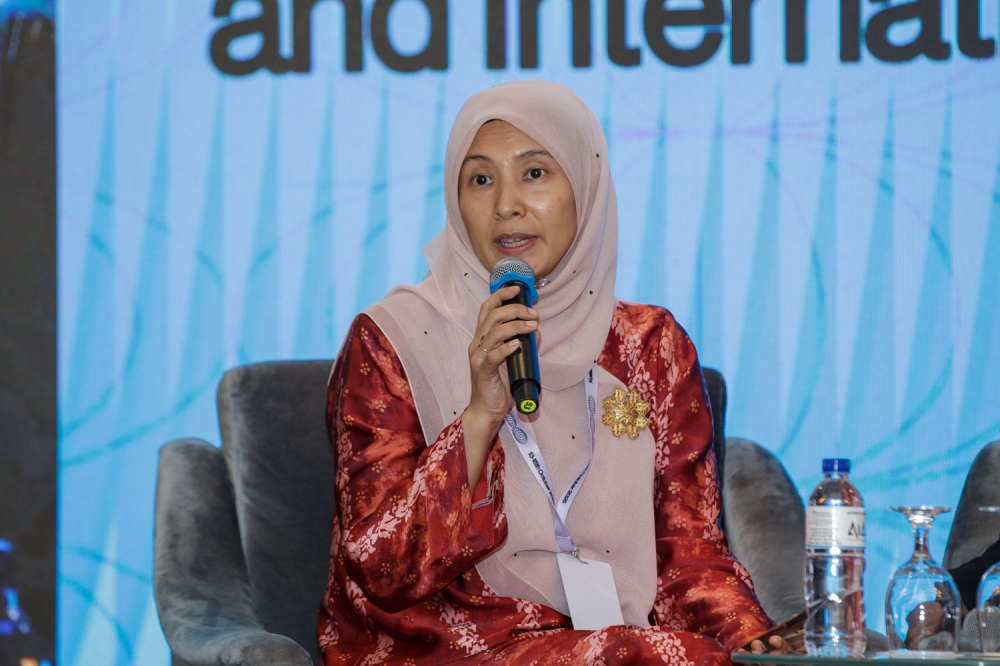
Nurul Izzah Anwar has announced her departure from the role of PKR deputy president, citing her intention to pursue further education as the primary driver behind the decision. The move, announced in Kuala Lumpur on August 7, represents a notable reshuffling within Pakatan Rakyat's largest component party and raises questions about succession planning within the opposition bloc during a period of continued political realignment in Malaysia.
The timing of Nurul Izzah's resignation carries particular significance for PKR, which has been navigating internal dynamics while maintaining its position as a key player in the Pakatan Rakyat coalition. Her departure creates a vacuum in the party's upper hierarchy at a moment when opposition politics in Malaysia remain fluid, with various factions seeking to consolidate influence and establish clear command structures for the medium term.
Nurul Izzah's decision to step back from her deputy position reflects broader considerations about balancing political responsibilities with personal development and intellectual advancement. Her choice to pursue studies suggests a long-term strategic thinking about her career trajectory, moving away from the intensely demanding schedule of party leadership to invest in academic credentials and knowledge that could inform her future political endeavours.
The resignation also opens space for other aspiring leaders within PKR to advance into senior positions. The party, which counts among Malaysia's oldest political organisations with roots extending back decades, has traditionally emphasised the importance of maintaining a pipeline of capable administrators and ideological custodians. The departure of a high-profile deputy creates both challenges and opportunities for the party machinery to identify and nurture new talent.
As the daughter of former Prime Minister Anwar Ibrahim, Nurul Izzah has occupied a distinctive position within PKR's organisational structure. Her willingness to step aside demonstrates that even those with significant family connections within the party recognise the importance of pursuing personal growth and education. This sends a message to party members that advancement and ambition need not always manifest through continuous accumulation of formal titles.
The implications for PKR's functioning remain significant. A deputy president serves critical roles in party operations, including managing grassroots coordination, representing the party in specific domains, and serving as a potential successor to the president. The position typically demands availability for frequent meetings, campaign activities, and public engagements—commitments that can strain personal schedules considerably.
Nurul Izzah's departure occurs within the broader context of Malaysian opposition politics, where coalitions and alliances continue to evolve. Pakatan Rakyat faces ongoing pressure to demonstrate cohesion and effective governance, particularly following various electoral outcomes across different states and federal territories. The moves of senior figures like Nurul Izzah become watched closely by political analysts seeking to gauge the health and direction of opposition movements.
The decision also reflects global trends among political leaders, including Southeast Asian counterparts, who increasingly pursue advanced education while maintaining or transitioning from public service. Educational advancement has become viewed as enhancing credibility and providing conceptual frameworks valuable for informed policymaking and strategic thinking.
For Malaysian voters and observers of opposition politics, Nurul Izzah's move underscores the complex negotiations between personal development and political commitment. Her choice normalises the idea that political service, while important, should not necessarily consume all opportunities for continued learning and professional growth. This perspective could influence how younger Malaysians view political participation and engagement.
PKR's response to this transition will be revealing. The party leadership must now either promote an existing figure to the deputy position or undertake a selection process that could reshape internal alignments. Such decisions often trigger broader conversations within parties about direction, priorities, and the balance between honoring seniority and rewarding newer voices bringing fresh perspectives.
Looking forward, Nurul Izzah's academic pursuits may ultimately benefit PKR when she returns to active political involvement with enhanced intellectual credentials and perspectives gained through advanced study. Many political movements worldwide have seen individuals strengthen their contributions after temporary absences dedicated to education and reflection. Her move, while representing a short-term loss of institutional experience at the deputy level, could represent a long-term investment in the quality and depth of future party leadership and policy development.

