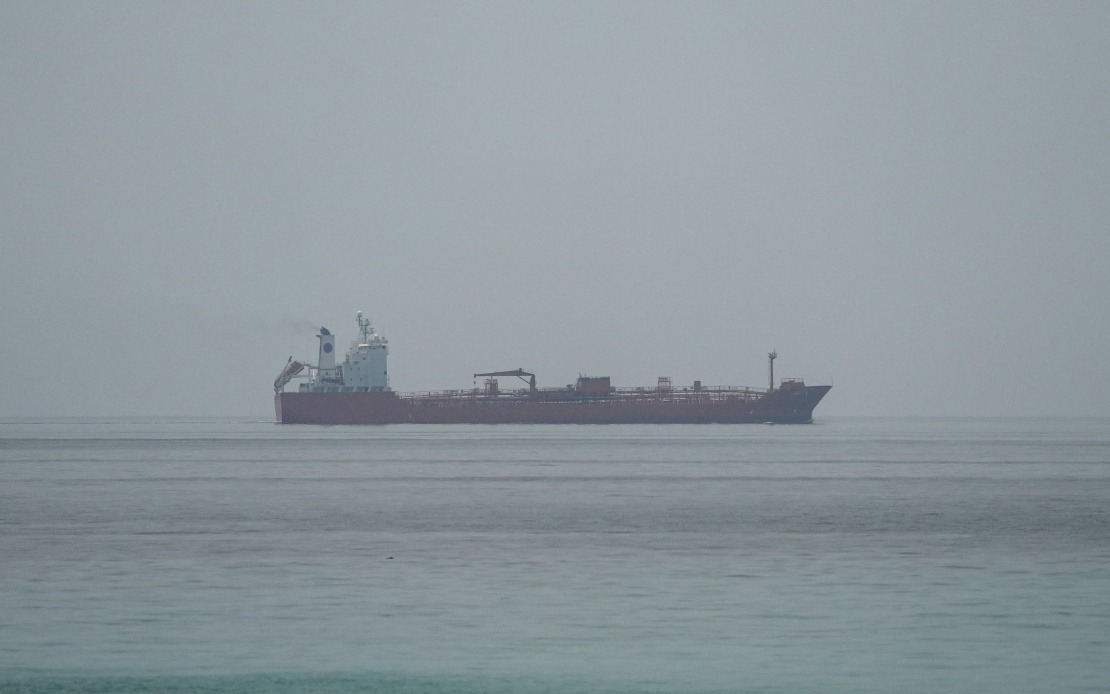
Oman has thrown its weight behind the memorandum of understanding concluded between the United States and Iran, with Foreign Minister Badr Albusaidi emphasizing the agreement's crucial role in restoring regional stability and protecting freedom of navigation through the Strait of Hormuz. Speaking at a joint ministerial gathering between the Gulf Cooperation Council and Washington in Bahrain, Albusaidi underscored that Oman, as a nation positioned along this strategic waterway, bears a unique obligation to champion international maritime security initiatives that comply with established international law and the UN Convention on the Law of the Sea.
The Omani position carries particular weight given the sultanate's historical role as a mediator in regional disputes and its geographical significance along one of the world's most economically vital shipping lanes. By publicly endorsing the accord, Oman signals to the international community that the deal commands support among Gulf states concerned with preserving free trade and energy flows through contested waters. The commitment to maintaining fee-free passage through the strait represents an important reassurance to global shipping interests, particularly those reliant on petroleum transportation from the Persian Gulf region.
Muscat's assurance that future arrangements governing the Strait of Hormuz will not impose transit charges addresses a longstanding concern among maritime nations and energy importers. Any taxation or toll system on passage through these waters would have reverberated across global supply chains and energy markets, with ripple effects extending to Southeast Asia and beyond. Malaysia, as a major shipping hub and energy consumer, has considerable stakes in ensuring unobstructed maritime commerce through this corridor. The Omani guarantee therefore provides tangible reassurance to regional economies dependent on stable energy supplies and predictable trade routes.
The agreement itself represents a significant diplomatic development following months of escalating tensions in West Asia. The deal emerged from mediation efforts led by Pakistan and encompasses a comprehensive 14-point understanding that addresses multiple dimensions of the regional conflict. The accord, which entered force on June 18 after receiving electronic signatures from Iranian President Masoud Pezeshkian and US President Donald Trump, encompasses provisions for ceasing hostilities across various theatres, reopening the blocked Strait of Hormuz, and lifting the American naval blockade that had constrained Iranian maritime activity.
This agreement must be understood within the context of recent military escalations that threatened to spiral into wider regional conflict. In late February, coordinated US and Israeli military strikes targeted Iranian positions, prompting Tehran to launch retaliatory attacks against both Israel and regional countries hosting American military infrastructure. The cycle of tit-for-tat strikes raised alarm bells internationally about the potential for uncontrolled escalation that could have disrupted global energy markets and shipping patterns. The negotiated settlement therefore represents a de-escalation mechanism designed to interrupt this dangerous trajectory.
The broader consultative framework between the GCC and the United States reflects ongoing strategic coordination on regional security matters amid volatile circumstances across West Asia. These regular ministerial meetings serve as venues for discussing political alignments, coordinating security responses, and advancing economic partnerships. The inclusion of Oman's prominent voice in supporting the Iran-US accord suggests a coalition of Gulf interests favouring diplomatic resolution over continued confrontation. This alignment carries implications for broader regional stability architecture and signalling about acceptable future conduct among regional powers.
For Southeast Asian nations like Malaysia, the successful implementation of this accord holds tangible benefits. The Strait of Hormuz handles approximately one-third of globally traded petroleum, with significant volumes destined for East Asian markets. Any disruption to shipping through these waters directly affects energy security and input costs for regional economies. Malaysia's position as a major crude oil importer and the energy underpinning of regional manufacturing and industrial activity makes Gulf stability a matter of direct national interest. Consequently, diplomatic developments that enhance prospects for sustained maritime access carry substantial economic implications.
Oman's particular positioning in this regional architecture merits closer examination. The sultanate has cultivated a reputation for balanced diplomacy and strategic neutrality, maintaining relationships with both Iran and Western powers while avoiding excessive entanglement in proxy conflicts. This independent posture has enabled Oman to serve as an intermediary in previous regional disputes, including the nuclear negotiations that produced the Joint Comprehensive Plan of Action. By endorsing the Iran-US memorandum, Oman reinforces its reputation as a pragmatic broker interested in stability rather than sectarian confrontation.
The specification that future Hormuz arrangements will remain fee-free addresses anxieties about the potential weaponization of maritime chokepoints. Historically, controlling states have occasionally threatened or implemented transit restrictions, and the international community remains sensitive to any moves that could compromise freedom of navigation. Oman's explicit commitment forecloses discussions about potential toll regimes that might emerge from the agreement's implementation. This clarity reduces uncertainty for shipping companies, insurance providers, and energy traders calculating long-term investments and contracts.
The consensus among GCC nations on this approach also reflects a shared recognition that regional prosperity depends on unimpeded trade and energy commerce. Despite occasional differences on specific policy matters, Gulf states converge on the imperative of maintaining open maritime corridors. Oman's articulation of this principle at an international forum reinforces shared interests in sustaining the transparent, rules-based maritime system that has enabled regional development.
Looking forward, the success of the Iran-US agreement will depend substantially on its enforcement and the development of implementing mechanisms that translate principles into operational realities. Oman's commitment provides a foundation for confidence-building among affected parties. However, sustained commitment from all signatories and the international community will be essential for transforming the memorandum into durable, normalized relations that can withstand future political pressures or regional crises.
For Malaysia and other Southeast Asian economies, the stakes in this process extend beyond immediate geopolitical considerations. Energy security, shipping stability, and uninterrupted supply chains form the backbone of regional economic growth trajectories. The Omani endorsement of the Iran-US accord and its accompanying guarantees about maritime access therefore represent positive indicators for the preservation of conditions conducive to sustained regional prosperity and inter-state commerce.

