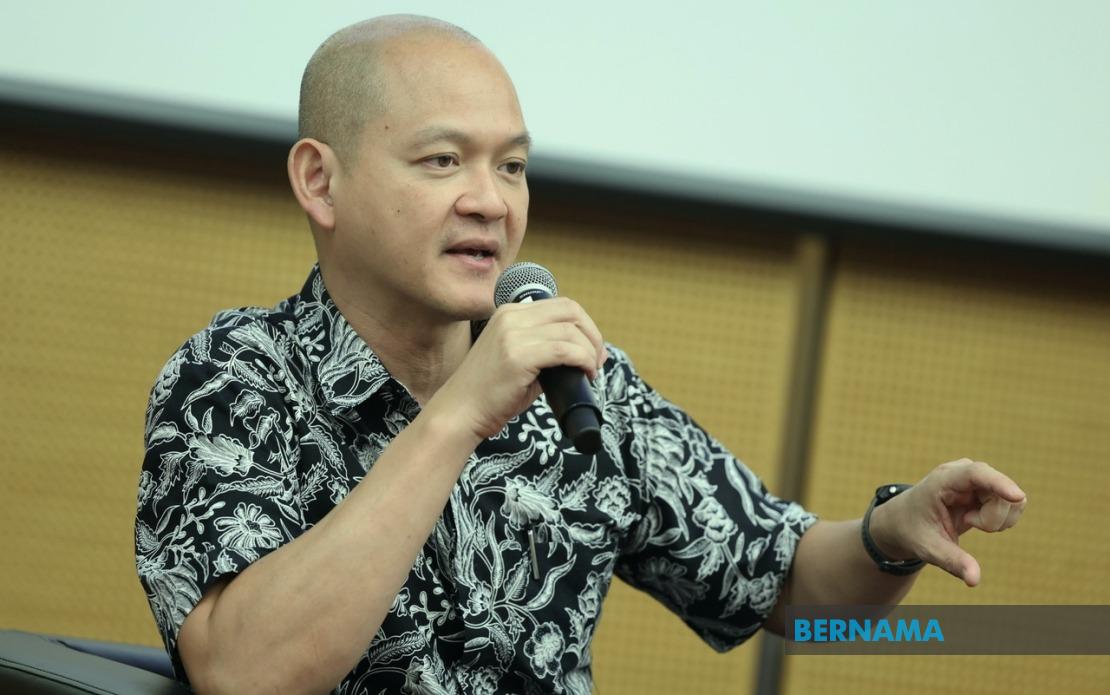
Dr Ong Kian Ming, who previously represented Bangi in Parliament, formally stepped down from the Democratic Action Party on August 31, ending his 12-year association with the coalition. The announcement came through a Facebook statement directed to party leadership, marking a significant departure from one of DAP's more prominent representatives in recent years.
Ong's resignation was communicated directly to DAP Secretary-General Anthony Loke Siew Fook and National Organising Secretary Khoo Poay Tiong. The decision represents a quiet exit from frontline politics for a figure who held several high-profile positions during his time with the party and government.
During his decade-plus tenure as a DAP member, Ong accumulated substantial experience across multiple platforms. He served as Member of Parliament for Serdang from 2013 to 2018, then transitioned to the Bangi constituency from 2018 until 2022, when he lost his seat. Beyond his parliamentary work, he held the role of Deputy Minister for the Ministry of International Trade and Industry between 2018 and 2020, overseeing trade policy during a critical period for Malaysian economic diplomacy. He also served as an appointed member of the party's Central Executive Committee from 2019 to 2022 and held an elected position within the DAP Selangor state committee until 2024.
The timing of Ong's departure is noteworthy given the Malaysian political landscape. His resignation occurs against a backdrop of shifting coalitions and changing dynamics within the government and opposition camps. The loss of his Bangi seat in 2022 marked a turning point, ending his direct representation in Parliament after nine consecutive years in the chamber.
Ong was explicit about his future intentions, confirming that he has no plans to align with another political party in the foreseeable future. This statement effectively closes the door on any immediate defection scenario that might have seen him joining a rival organisation. He further clarified that he will not be a candidate in the 16th general election, signalling a complete step back from electoral politics rather than a pause.
Despite withdrawing from party membership and electoral contests, Ong indicated his continued commitment to public service. He stated that he would pursue opportunities to contribute to national interests through alternative channels beyond the traditional framework of party politics. This suggests potential involvement in think-tanks, civil society organisations, academic institutions, or other non-governmental platforms where policy expertise remains valuable.
The departure of someone with Ong's background from DAP carries symbolic weight. As an educated professional who rose to ministerial rank, his presence lent intellectual credibility to the party's policy positions, particularly on economic and trade matters. His exit may reflect broader concerns about the direction of Malaysian politics or personal reassessment of how best to serve public interests in an increasingly fractured political environment.
For DAP, the loss represents the departure of a capable administrator at a time when the party continues its recovery from the 2022 electoral setback that saw many MPs lose their seats. The party's subsequent role in government formation and policy-making has been relatively limited, and retaining experienced figures like Ong might have helped sustain institutional capacity.
Ong's decision to exit electoral politics without defecting reflects a pragmatic approach becoming increasingly common among Malaysian politicians who recognise the volatility of the current system. Rather than pursuing a transfer to another party—which would likely invite accusations of opportunism—he has chosen to step entirely away from partisan competition, at least in the short term.
The broader context suggests Malaysia's political volatility continues to reshape individual careers. Ong's parliamentary tenure coincided with the collapse of the Barisan Nasional coalition, the emergence of Pakatan Harapan, and subsequent realignments that undermined conventional party loyalty. His withdrawal from the equation reflects how even relatively successful political careers have become unsustainable under current conditions.
For readers monitoring DAP's fortunes and broader opposition dynamics, Ong's departure underscores the party's challenge in retaining talented personnel after electoral setbacks. The organisation must now demonstrate renewed vitality to convince remaining members and potential recruits that commitment to DAP offers viable paths for political ambition. Whether his exit signals deeper dissatisfaction within the party remains an open question.

