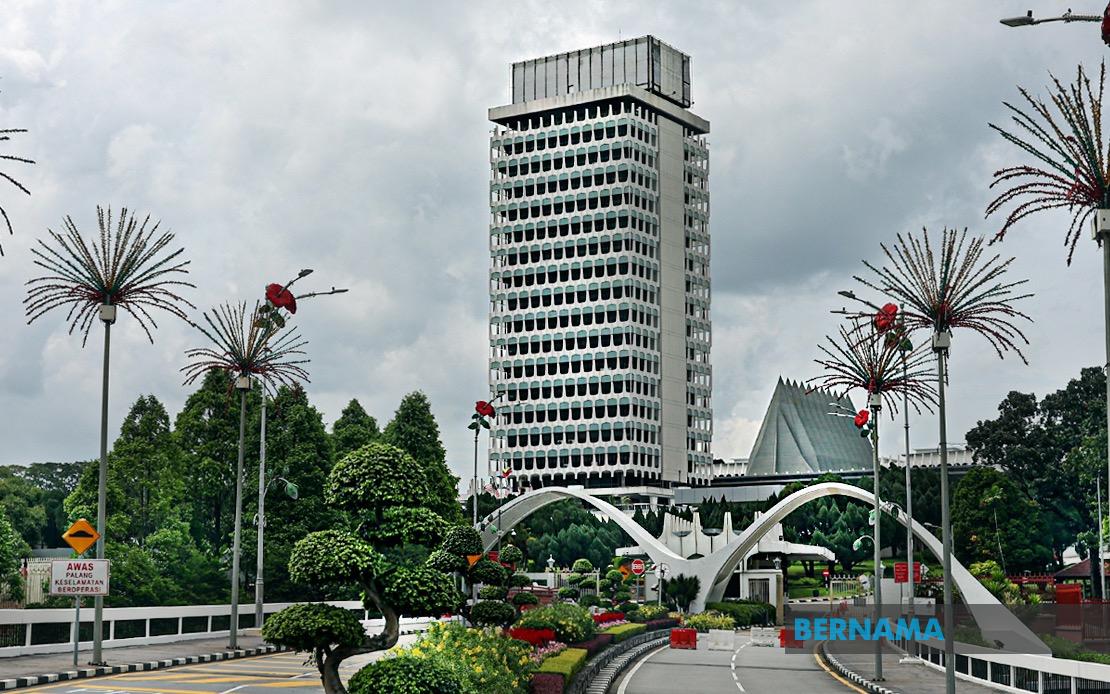
In a measured start to its sitting, the Dewan Rakyat passed just a single piece of legislation during the opening week of the Second Meeting of the Fifth Session, underscoring the measured pace at which Parliament is advancing its legislative agenda. The Road Transport (Amendment) Bill 2026 became law after Transport Minister Anthony Loke piloted it through deliberations, marking the chamber's sole successful passage from June 22 to June 28.
The legislation addresses a practical enforcement challenge that has long constrained traffic authorities' ability to target illegal street racing. By introducing Section 42A, the amended law permits law enforcement to intervene against racing activities earlier in the process, before an incident results in accident, injury, or fatality. This represents a departure from the previous standard, which required authorities to demonstrate imminent danger or document actual harm before prosecuting offenders. The minister framed the change as closing a significant legal gap that had made prosecution cumbersome and reactive rather than preventative.
Looking ahead, Loke signalled that his portfolio intends to pursue further refinements to the Road Transport Act (Act 333) before year-end. The planned amendment would establish a compensation mechanism for victims of drink-driving or drug-driving incidents, operating alongside existing penalties of fines and imprisonment. This dual-track approach reflects international trends toward making impaired drivers liable not merely through criminal punishment but through civil restitution to those harmed by their conduct. For Malaysian road safety advocates, the measure represents an attempt to shift accountability and create a financial incentive for behavioural change.
Meanwhile, the Prison (Amendment) Bill 2026 did not advance as scheduled. Designed to authorize the deployment of electronic monitoring devices and formalize volunteer participation in rehabilitation schemes, it has been returned to the Parliamentary Select Committee for deeper examination. This decision reflects Parliament's broader emphasis on using select committees as deliberative bodies, not merely procedural checkpoints. The setback suggests lawmakers want more exhaustive scrutiny of the proposals before proceeding, particularly around the mechanics of monitoring and the liability framework for volunteer programs.
Four additional bills received their initial reading, entering the legislative pipeline for future debate. These included measures amending sexual offences law targeting children, strengthening competition regulation through dual-track amendments, and introducing a new Cybercrime Act 2026 to replace the 27-year-old Computer Crimes Act 1997. The cybercrime refresh is particularly significant for Malaysian digital governance, as it will modernize the legal framework governing hacking, data breaches, and online fraud in an era of cloud computing and artificial intelligence—technologies barely contemplated when the 1997 statute was drafted.
On parliamentary administration, Dewan Rakyat Speaker Tan Sri Johari Abdul confirmed that Larut MP Datuk Seri Hamzah Zainudin has resumed his position as leader of the opposition effective June 18. The chamber also formally noted two vacant seats—Pandan and Setiawangsa—created by the May 18 resignations of Datuk Seri Rafizi Ramli and Nik Nazmi Nik Ahmad. The Election Commission has been notified, setting the stage for by-elections under Article 54(1) of the Federal Constitution. These vacancies could test the governing coalition's parliamentary arithmetic as fresh campaigns develop.
Question time for ministers proceeded with a notable adjustment: Prime Minister Datuk Seri Anwar Ibrahim's scheduled Tuesday and Thursday sessions were reassigned to relevant portfolio ministers owing to the Premier's competing engagements. This pragmatic rescheduling reflects the tension between parliamentary accountability and executive demands, particularly in systems where prime ministers hold multiple concurrent responsibilities. Malaysian commentators have periodically flagged this phenomenon as a governance trade-off, with backbenchers sometimes expressing frustration at reduced direct access to the top executive.
Unemployment emerged as an urgent concern during the week's debates. Human Resources Minister Datuk Seri R. Ramanan reported that 42,807 workers faced retrenchment between January 1 and June 12, with business closures and workforce reduction cited as primary drivers. However, Economy Minister Akmal Nasrullah Mohd Nasir offered a more optimistic reading, noting that June retrenchments fell 20 per cent from May's figures and that the labour force participation rate held steady at 70.9 per cent. This divergence in messaging—between acknowledging real job losses and emphasizing underlying labour market resilience—reflects the competing narratives surrounding Malaysia's economic adjustment.
Border security received a substantial injection of funding. Home Minister Datuk Seri Saifuddin Nasution Ismail announced government approval for RM22 million to equip the Malaysia Border Control and Protection Agency with firearms and operational equipment. For a country managing multiple maritime boundaries and land borders with complex geopolitical dimensions, this allocation signals heightened attention to frontier enforcement capacity. The investment appears tied to broader concerns about transnational crime, irregular migration, and the policing of exclusive economic zones.
The Ministry of Plantation and Commodities signalled caution regarding biodiesel expansion, indicating it will assess the feasibility of rolling out B50 biodiesel blends. The hesitation stems from infrastructure costs: existing blending depots would require substantial upgrades to accommodate the higher blend ratio, an economic consideration that underscores how energy transition in Malaysia hinges not only on policy intent but on capital-intensive infrastructure decisions.
Online child safety and platform accountability featured prominently in Communications Minister Datuk Fahmi Fadzil's remarks. The Child Protection Code and Risk Mitigation Code, in force from June 1, mandate that social media platforms implement age-verification systems to shield young users from harmful content. Platforms failing to comply face penalties reaching RM10 million under the Online Safety Act 2025. This enforcement push reflects mounting public concern across Southeast Asia about digital harms to minors and represents Malaysia's attempt to impose domestic accountability on global platforms through financial penalties and regulatory mandates.
Parliamentary Select Committees were afforded dedicated time to present and debate their findings, underlining the chamber's stated commitment to elevating the committee system's profile and influence. This structural emphasis matters for Malaysian parliamentary culture, where select committees have historically functioned as secondary bodies. By allocating floor time, leadership signals that committee work—involving detailed scrutiny, cross-party engagement, and evidence-gathering—carries weight in the legislative process.
The 16-day sitting, running from June 22 to July 16, continues to unfold. The measured legislative pace observed in week one—with only one bill passed but several weighty topics under examination—suggests Parliament is prioritizing depth of debate over legislative volume. For Malaysian stakeholders tracking policy development on transport safety, border management, online child protection, and economic resilience, the trajectory established in these opening days will shape the agenda for weeks to come.

