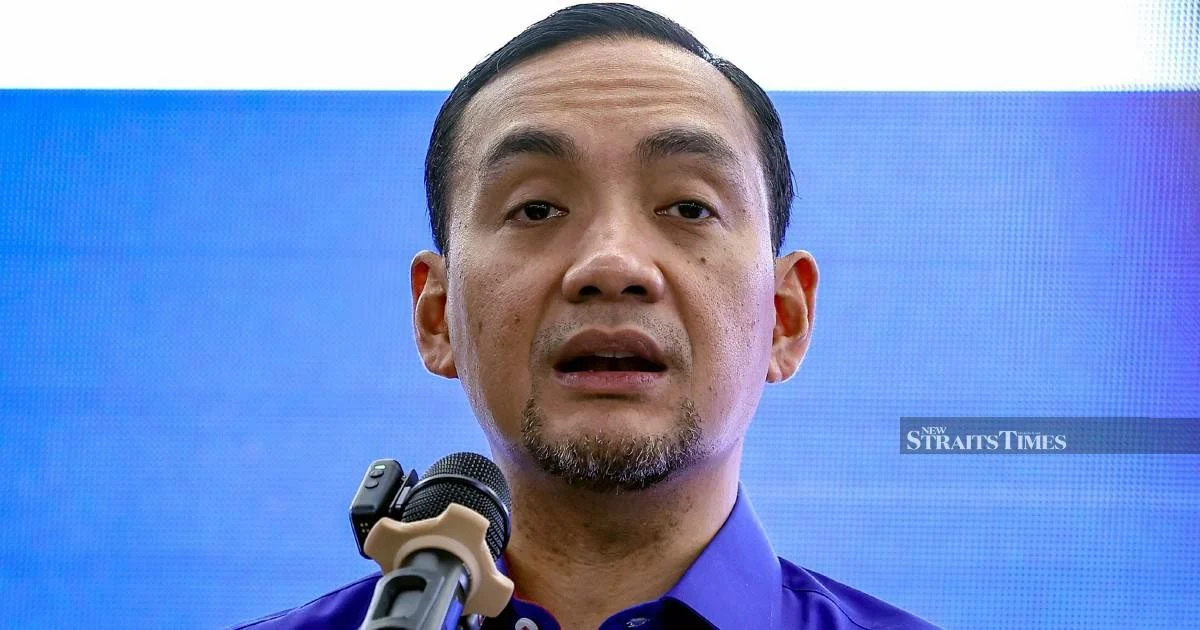
Caretaker Johor menteri besar Datuk Onn Hafiz Ghazi has categorically refuted suggestions that the dissolution of the Johor legislative assembly on June 1 stemmed from explicit instructions by the Regent of Johor. The denial comes amid persistent public speculation about the motivations behind the sudden move to call fresh state elections, with observers questioning whether pressure from the palace influenced the timing and decision-making process that led to the assembly's disqualification.
The timing of the assembly dissolution had raised eyebrows across Malaysian political circles, particularly given the proximity to other significant political developments and the apparent swiftness with which the decision was executed. For Malaysian readers accustomed to following Johor's political dynamics, the state's constitutional arrangements and the relationship between the executive and the royal institution represent critical variables in understanding how major governmental decisions are made. Johor, as one of Malaysia's most politically significant states with substantial economic and strategic importance, often sets precedents that ripple through the broader Malaysian political landscape.
Onn Hafiz's forceful rebuttal suggests that considerable pressure exists to clarify the institutional independence of the state administration from palace influence, at least publicly. His position as caretaker menteri besar during the dissolution period placed him in a delicate position politically, requiring careful navigation between demonstrating executive autonomy and maintaining proper deference to constitutional monarchy principles that remain fundamental to Malaysia's governance structure. The denial itself reflects broader sensitivities surrounding palace-executive relations that periodically surface in Malaysian politics when major decisions coincide with royal institutions' constitutional roles.
The Regent of Johor occupies a constitutionally significant position within the state's governance framework. While the Regent acts as a constitutional head of state with important ceremonial and formal functions, the precise boundaries between advisory input and directive instruction remain subject to interpretation and public debate. In Malaysia's Westminster-influenced system adapted for constitutional monarchy, the relationship between the ruler and the executive government typically operates on the principle of informal consultation rather than explicit commands, though the distinction can blur in practice and public perception.
Political observers and analysts have long scrutinised the dynamics between Johor's menteri besar and the royal household, particularly during periods of governmental transition or assembly dissolution. These moments generate particular interest because they touch upon fundamental questions about the allocation of political power, institutional autonomy, and the nature of advisory relationships within Malaysia's hierarchical governance structures. The public speculation that prompted Onn Hafiz's denial underscores how sensitive these issues remain in Malaysian political culture.
For regional observers tracking Malaysian politics, the Johor assembly dissolution carried broader implications for understanding state-level power dynamics and how political appointments and institutional decisions cascade through Peninsular Malaysia's political economy. Johor's significance extends beyond its borders through its economic linkages, its role as a key electoral battleground, and its historical influence on federal-level politics. Any apparent shifts in the balance of power or decision-making authority within Johor's administration therefore merit close attention from those monitoring Malaysia's political trajectory.
The caretaker menteri besar's statement represents an effort to recentre focus on the statutory and procedural justifications for the assembly dissolution, presumably emphasising factors such as legislative deadlock, governance challenges, or the merits of seeking fresh electoral validation rather than depicting the decision as externally imposed. This framing seeks to establish the political leadership's agency and rational decision-making authority, characteristics traditionally considered important for governmental legitimacy and public confidence in state administration.
Onn Hafiz's denial also occurs within a broader context of Malaysian political discourse about institutional boundaries and the proper limits of royal involvement in executive matters. While Malaysia's constitutional monarchy remains deeply revered and integral to national and state identity, contemporary political conversations increasingly involve negotiations over the precise scope of royal influence versus professional bureaucratic and executive decision-making. This tension manifests differently across the thirteen states, with Johor's particular constitutional arrangements and historical precedents shaping how these questions manifest locally.
The dissolution itself, regardless of its origins, set in motion practical consequences for Johor's political class, electorate, and administration. Fresh elections required campaign mobilisation, electoral administration, and a period of governance under caretaker arrangements—disruptions that typically carry both short-term administrative costs and longer-term political implications. Understanding the authentic motivations behind such major institutional decisions therefore holds genuine importance for stakeholders ranging from political parties and voters to business communities dependent on stable governance frameworks.
Moving forward, Onn Hafiz's clarification regarding the palace's role may influence public and media interpretation of future developments in Johor's political landscape. The statement establishes a position from which the caretaker administration can operate, potentially deflecting subsequent criticisms that blame external institutional pressures for particular governmental choices. Whether this narrative ultimately satisfies public curiosity or shapes how Johor's political community interprets the dissolution's origins will become clearer as the electoral process unfolds and new political arrangements emerge from the fresh assembly election.

