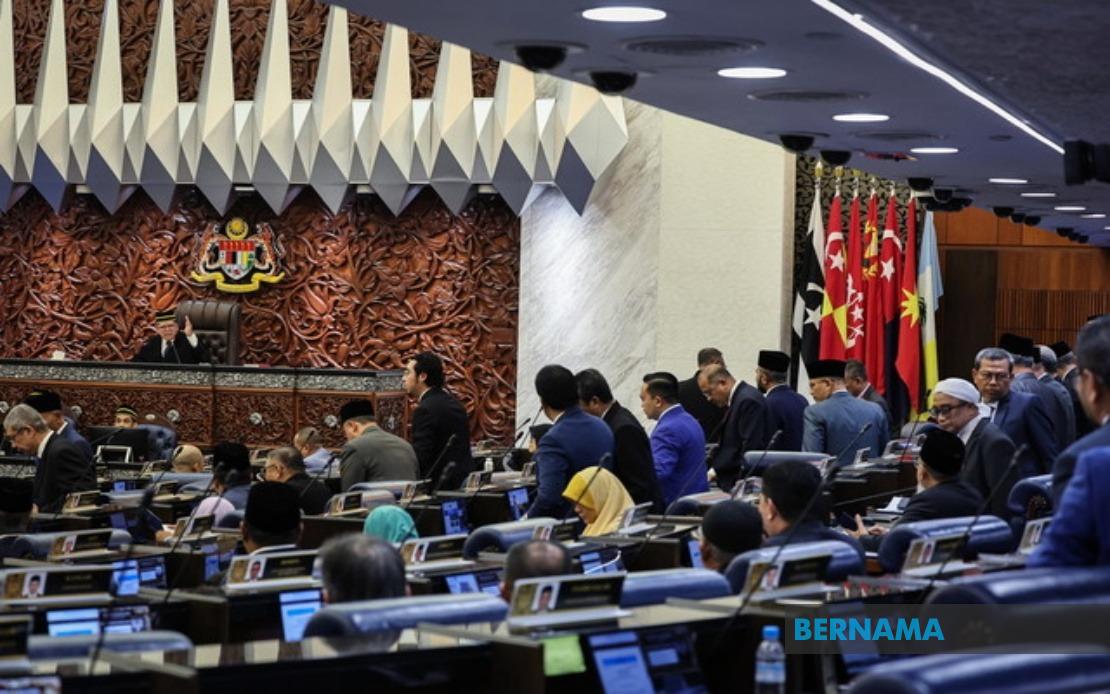
Opposition lawmakers abandoned Parliament's chamber on August 11, refusing to participate in a ministerial briefing dedicated to discussing findings from the Royal Commission of Inquiry into Lembaga Tabung Haji's management and operational practices. The coordinated departure underscored deepening tensions between the government and opposition benches over procedural matters and what many viewed as inadequate representation at a sitting designated to address matters of significant public concern.
The core grievance driving the opposition's decision centred on the conspicuous absence of Prime Minister Datuk Seri Anwar Ibrahim from the proceedings. Both Anwar and Deputy Prime Minister Datuk Seri Fadillah Yusof were undergoing medical treatment at the time, rendering them unable to attend. For opposition members, the PM's participation was essential given the importance and sensitivity of the Tabung Haji inquiry, which had attracted considerable public scrutiny following questions about the pilgrim fund's governance and financial stewardship.
Perikatan Nasional's chief opposition whip, Datuk Seri Takiyuddin Hassan, formally proposed postponing the entire special sitting until such time as both Anwar and Fadillah could be present. This request aimed to ensure parliamentary debate on the RCI report would occur with full executive representation and could proceed with the depth and authority that senior leadership presence would convey. The proposal essentially challenged whether a substantive briefing could meaningfully occur without the prime minister's direct involvement or at least authoritative government response.
Dewan Rakyat Speaker Tan Sri Johari Abdul rejected the postponement request and determined the briefing should proceed as scheduled. His decision proved pivotal, as it triggered the opposition's response. Rather than acquiesce to a sitting they considered procedurally compromised, opposition members chose collective withdrawal as their instrument of protest. This tactic, while disruptive, allowed them to register their objection without obstructing the government's ability to proceed if it chose to do so.
Speaker Johari's handling of the situation revealed the underlying power dynamics within Parliament. After granting opposition members permission to leave—essentially allowing their walkout—he delivered remarks that conveyed both pragmatism and subtle rebuke. His statement that "the public is watching you" functioned as a dual message: to opposition members that their departure would be observed and potentially judged by constituents, and to those remaining that proceeding would demonstrate commitment to transparency and public accountability regardless of opposition participation.
Once opposition lawmakers had departed, the briefing continued according to its scheduled agenda. Minister in the Prime Minister's Department (Religious Affairs), Dr Zulkifli Hasan, proceeded to deliver the ministerial briefing on the Tabung Haji RCI findings to the reduced parliamentary audience. This allowed the government to ensure the report's contents reached the public record and parliamentary documentation, even if opposition members chose not to be present for the presentation.
For Malaysian readers and observers across Southeast Asia, this incident illuminates several dimensions of contemporary Malaysian parliamentary dynamics. The Tabung Haji matter carries particular resonance for Malaysia's Muslim majority, as the institution manages savings for pilgrimage to Mecca. Public confidence in its governance directly affects millions of ordinary Malaysians' ability to undertake the hajj pilgrimage with financial security. The opposition's insistence on the PM's presence reflected legitimate parliamentary tradition: major policy briefings and inquiries affecting national institutions typically receive direct executive leadership engagement.
The walkout also demonstrates how opposition and government blocs continue navigating their relationship following Malaysia's complex recent political transitions. With the government operating through coalition arrangements, moments of procedural disagreement can escalate quickly. Opposition members viewed their departure as principled objection to inadequate representation; the government characterized proceeding with the briefing as essential to fulfilling parliament's informational mandate to the public.
Beyond the immediate theatrical element, the Tabung Haji RCI report itself carries substantive significance. Royal Commissions of Inquiry represent serious governmental attempts to examine institutional performance, identify shortcomings, and recommend corrective measures. Public understanding of such findings shapes confidence in national institutions. The opposition's determination to ensure proper briefing procedures reflected a desire that such findings receive the full weight and seriousness of parliamentary attention, including senior government representation.
The medical absences of both Anwar and Fadillah also raised broader questions about parliamentary continuity and delegation of authority. When senior leadership is unavailable, the chain of responsibility becomes ambiguous. Opposition members questioned whether a minister, however senior in other respects, possessed sufficient delegated authority to represent government positions on matters typically requiring prime ministerial involvement. This procedural uncertainty justified, in their view, postponing discussion rather than proceeding with compromised executive representation.
Moving forward, this incident may influence how Parliament handles special sittings and briefings involving significant national institutions. It highlighted the importance of clarity regarding executive representation requirements and the consequences when procedural norms are perceived as violated. For the government, completing the briefing despite opposition absence meant the Tabung Haji report entered parliamentary record, though the opposition's absence meant their questions and scrutiny remained absent.
The broader implication concerns parliamentary effectiveness in holding executive institutions accountable. Opposition participation in such briefings typically strengthens parliamentary review, as opposition members often pose critical questions and examination. Their absence, regardless of the justification, potentially diminishes the intensity of parliamentary scrutiny. Whether this particular incident influences future parliamentary practice around executive leadership presence at significant briefings remains to be seen, but it certainly demonstrates that Malaysian MPs continue asserting strong positions regarding procedural propriety and executive accountability.

