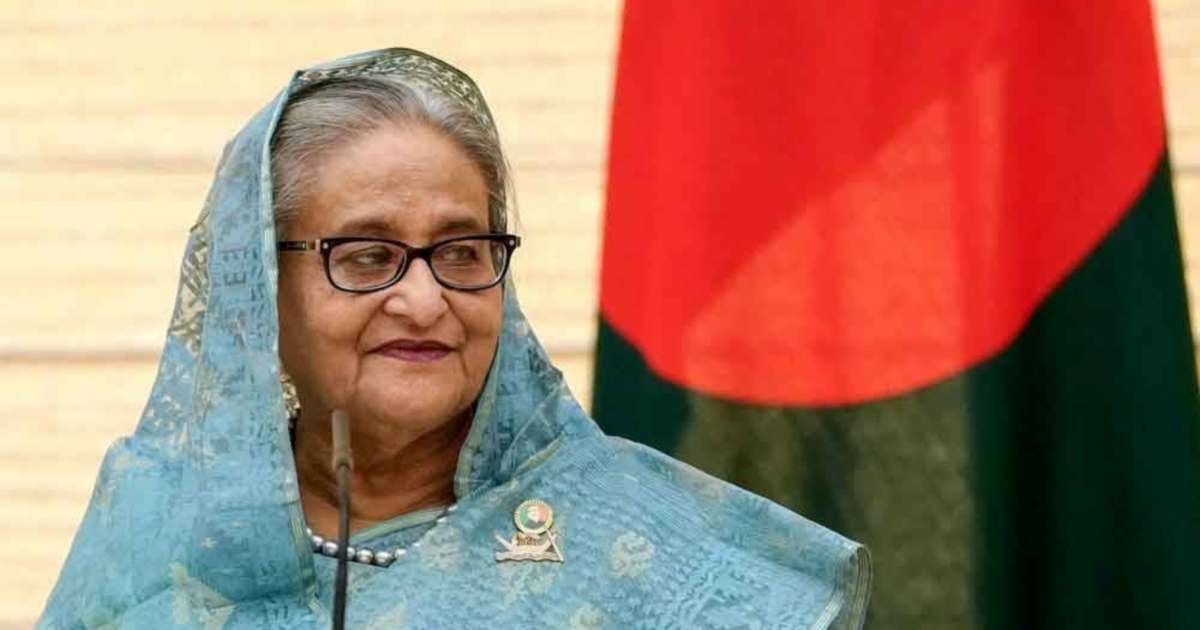
Former Bangladesh Prime Minister Sheikh Hasina has declared her intention to return to her homeland before the year ends, signalling an uncompromising stance against her political opponents who secured her conviction in a case she characterises as fundamentally unjust. The statement represents a bold challenge to the interim government that took power following her ouster, and raises the possibility of renewed political turmoil in a nation already grappling with deep divisions.
Hasina's defiant position comes despite facing a death sentence imposed by a Bangladesh court while she remains in exile abroad. The conviction was delivered in absentia, meaning the proceedings occurred without her physical presence or direct participation in her own defence. She has rejected the verdict as lacking legitimacy, framing it as an abuse of the judicial system for partisan advantage rather than genuine justice.
The charges against Hasina appear connected to events that unfolded during her final period in office, when her administration faced mounting pressure from protest movements and political opposition. The death sentence reflects the intensity of enmity between her political faction and the groups currently holding state power. For Malaysian observers, the situation illustrates broader regional patterns wherein post-transition governments sometimes deploy courts to neutralise threats from predecessors.
Hasina's career trajectory within Bangladesh politics has been extraordinarily turbulent. Her tenure as Prime Minister brought significant infrastructure projects and economic initiatives, but also faced criticism from opposition groups who accused her administration of overreach and authoritarian governance. The pathway from leading the nation to facing capital punishment in absentia underscores the volatility of Bangladesh's political environment.
The legal mechanisms being used against her—particularly the in absentia trial—remain controversial. International observers and human rights organisations frequently scrutinise such proceedings, arguing they compromise due process protections. Hasina's framing of the conviction as "illegal, unconstitutional and politically motivated" appeals to fundamental principles of judicial fairness that transcend national borders. Whether Bangladesh's courts will acknowledge these objections remains uncertain.
Her pledge to return carries substantial personal risk. Should she attempt to enter Bangladesh, authorities could immediately arrest her to enforce the death sentence. This creates a high-stakes political confrontation scenario—either she remains abroad indefinitely, or she gambles on a dramatic return that could trigger crisis-level political disruption. The stakes are not merely personal; they potentially affect national stability.
The interim government administering Bangladesh since Hasina's departure faces pressure to demonstrate legitimacy and inclusivity. A return by the former Prime Minister would constitute a major test of its authority and commitment to democratic norms. Arresting her would satisfy hardline elements but risk accusations of authoritarian suppression. Allowing her entry might undermine the government's control. Either path presents political complications.
Regional implications merit consideration. Bangladesh's internal politics influence stability across South Asia, with effects rippling through Southeast Asia given maritime connections and shared economic interests. A major political crisis in Dhaka affects confidence in the region's institutional resilience and governance trajectories. Malaysia and other Association of Southeast Asian Nations members monitor such developments closely.
Hasina's support base, comprising her Awami League party faction and allied constituencies, have demonstrated organisational capacity and popular resonance during previous cycles. A credible return threat mobilises her supporters and potentially complicates the interim administration's consolidation of power. The possibility of renewed mass mobilisation around her figure cannot be dismissed, especially if her advocates frame any arrest as political persecution.
The temporal dimension—her promise to return "this year"—adds urgency to an already volatile situation. Rather than vague future intentions, she has specified a near-term timeframe that will be judged against concrete results. This declaration also signals to her political base that exile represents a temporary condition rather than permanent banishment.
Historically, Bangladesh has experienced cycles wherein ousted leaders attempted comebacks, sometimes successfully. These precedents inform current calculations about feasibility. Hasina appears betting that international pressure, domestic political dynamics, or shifts in military-government relationships might create openings for her return that currently do not exist.
The conviction itself warrants scrutiny regarding the specific allegations and evidence presented. If the charges relate to governance decisions or policy implementation, questions arise about whether criminal prosecution represents appropriate accountability mechanisms. If they concern corrupt enrichment or genuine criminal conduct, different considerations apply. Hasina's categorical rejection suggests she views the proceedings as entirely illegitimate rather than disputing specific factual claims.
For Bangladesh and the broader South Asian region, the standoff between Hasina and the interim government illustrates enduring challenges in managing political transitions and ensuring that defeated rivals accept outcomes without recurring to courts as weapons. The international dimensions—her exile location, recognition of her status by other nations, and potential diplomatic interventions—add complexity to what ostensibly appears as a domestic juridical matter. How this situation resolves will significantly influence Bangladesh's political trajectory and regional stability calculations.

