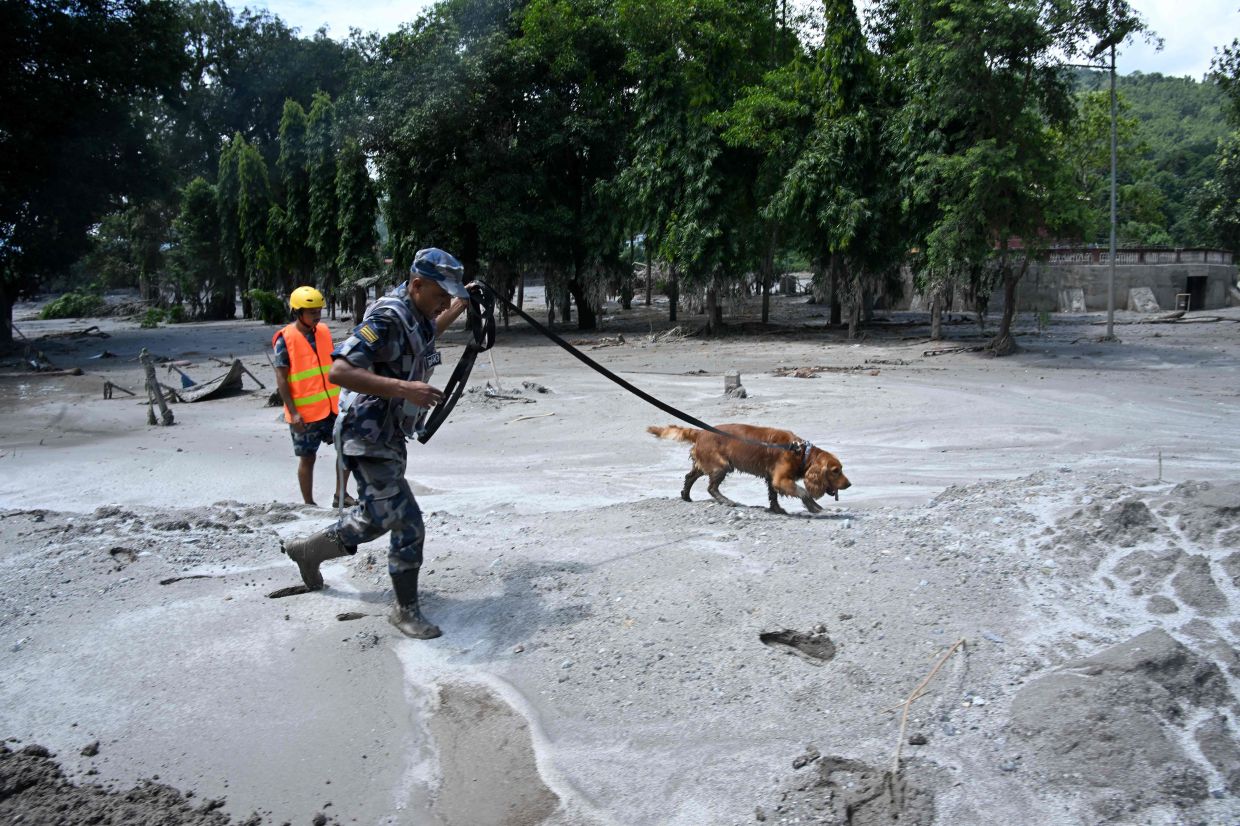
The Nepal-Tibet border region faces an unfolding humanitarian crisis following devastating flash floods and landslides that have claimed at least 392 confirmed lives, with more than 1,400 people still unaccounted for across both sides of the international boundary. The scale of the disaster continues to evolve as rescue and recovery operations progress, with official figures subject to revision as authorities work to account for missing persons, verify casualties, and match recovered remains with missing persons lists.
The complexity of managing casualty statistics following major disasters is well documented. Double-counting of individuals holding dual nationality, difficulties in matching recovered bodies with those listed as missing, and the inherent chaos of emergency response operations all contribute to fluctuations in reported numbers. Nepal's official disaster management agency reported 910 unaccounted individuals on Thursday (August 27), comprising both Nepali nationals and at least 517 foreigners whose nationalities have not yet been disaggregated. Meanwhile, Chinese authorities report 558 missing persons on their side of the border, including 260 foreign nationals, bringing the combined total to approximately 1,468 unaccounted persons across both jurisdictions.
The scale of foreign involvement in the disaster highlights the region's significance as a destination for international tourism and commercial activity. Nepal's tourism board documented 667 missing tourists and travellers as of Thursday, encompassing both Nepali visitors and foreign nationals. This figure includes 127 Nepali residents caught in the disaster zone, though the total number of unaccounted Nepali residents remains unclear. The disaster has disrupted operations in what represents a critical economic sector for Nepal, with the tourism industry providing substantial employment and foreign currency earnings for the nation.
Malaysian authorities have expressed particular concern about compatriots affected by the disaster. Prime Minister Anwar Ibrahim reported on Thursday that more than 50 Malaysians in Nepal remain unreachable, a figure corroborated by the Nepal Tourism Board which documented 51 missing Malaysian nationals. This represents a significant contingent among the foreign nationals affected and underscores the considerable Malaysian presence in the region, reflecting both tourism and economic engagement across the border.
The United States has substantial numbers of citizens unaccounted for in the affected region. The US State Department indicated that 90 American citizens are missing, though three have been rescued and the department has no confirmed reports of US fatalities to date. This contrasts with earlier figures from Nepal's tourism board which reported 65 unaccounted Americans, suggesting ongoing efforts to consolidate and verify information across multiple official channels. The discrepancy illustrates the challenge of maintaining consistent casualty figures when multiple governments and international organizations are independently tracking missing nationals.
India has recorded significant loss among its nationals, with the Nepal Tourism Board documenting 178 Indian citizens listed as missing following the floods. An additional 11 Indian nationals have been successfully rescued. Given India's substantial cross-border connectivity with Nepal through migration, tourism, and trade networks, the Indian government has likely mobilized consular resources to assist in identification and repatriation efforts. The large Indian representation among missing persons reflects the historically deep human and economic links between the two neighbours.
European nations have reported citizens among those unaccounted for across the disaster zone. Canada's Foreign Minister Anita Anand stated the government is aware of 30 Canadian nationals and permanent residents whose whereabouts remain unconfirmed, exceeding the Nepal Tourism Board's figure of 25 Canadians. The United Kingdom has 33 missing nationals, while Australia's missing count has risen to 39 according to Foreign Minister Penny Wong. New Zealand, France, and Germany have reported five, four, and eight missing citizens respectively. These figures demonstrate the disaster's international reach and its impact on Western nations with active tourism and commercial interests in the region.
Ukraine has also been affected by the catastrophe, with the foreign ministry reporting 56 nationals classified as out of contact as of Thursday evening. However, Ukrainian officials emphasized that no confirmed fatalities or injured Ukrainians have been documented among disaster victims based on verified information available, suggesting that casualties among Ukrainian nationals may be limited despite their significant numbers among the missing.
South Korea reported that nine hydropower workers became unreachable following the floods in the Rasuwa district, though four South Koreans have subsequently been rescued. The involvement of foreign workers in hydropower development projects underscores the region's significance for regional infrastructure initiatives. Russia, Latvia, and South Africa have each reported single-digit casualties among their nationals, with Russia accounting for eight missing and two rescued, Latvia reporting six missing, and South Africa confirming six unaccounted nationals.
Singapore has nine nationals listed as missing by the Nepal Tourism Board, while Japan and New Zealand have each reported five citizens unaccounted for. The breadth of nations affected—spanning continents and representing diverse economic, cultural, and diplomatic relationships—positions this disaster as a matter of significant international concern requiring coordinated consular and humanitarian response.
The ongoing challenge for authorities involves reconciling figures across different reporting systems and jurisdictions while conducting active search and rescue operations. As recovery efforts progress and additional information emerges, casualty and missing persons figures will likely continue to change. The priority for affected governments remains locating missing nationals, confirming casualties, facilitating rescue operations where possible, and providing consular support to affected citizens and their families across multiple countries.

