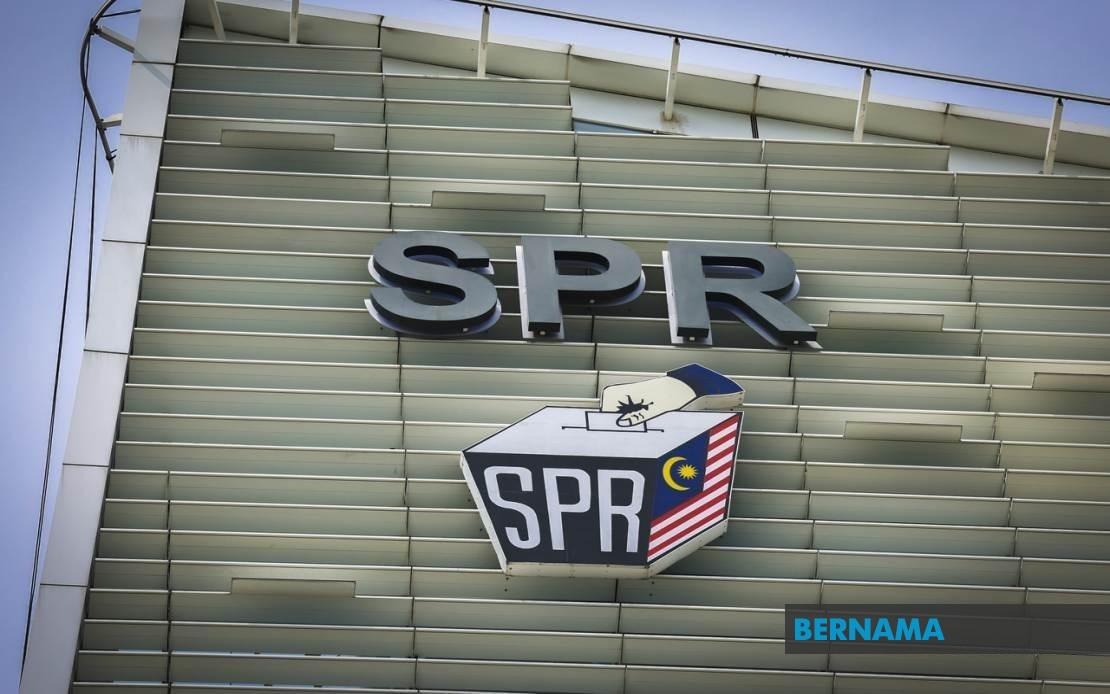
The Election Commission has distributed 13,263 postal ballot papers to eligible voters in preparation for the 16th Negeri Sembilan state election scheduled for August 1. This distribution, announced on July 20, represents a significant logistical exercise orchestrated under the framework of the Elections (Postal Voting) Regulations 2003, demonstrating the institutional mechanisms Malaysia has established to facilitate voting for those unable to cast ballots on polling day.
The breakdown of postal ballot distribution reveals the diverse categories of voters who require alternative voting arrangements. According to EC secretary Datuk Khairul Shahril Idrus, the largest segment comprised 12,669 ballots issued under Form 1A, encompassing election officials, EC members and officers, police personnel, military personnel, and media practitioners. These individuals play critical institutional roles during elections yet face logistical challenges in voting on polling day itself. Additionally, 343 ballots were issued under Form 1B to Malaysian citizens residing overseas, acknowledging the diaspora population's continued right to participate in domestic elections. A further 251 ballots were issued under Form 1C to personnel from eleven agencies spanning security and health sectors, reflecting recognition of essential services that must continue operating during the election period.
The postal voting process itself underscores Malaysia's commitment to electoral transparency and security. The distribution of all ballot papers occurred in the presence of representatives from every contesting party and independent candidates, ensuring multiple stakeholders could monitor compliance with electoral regulations. This procedural safeguard addresses concerns about the integrity of postal voting systems, which operate outside the controlled environment of polling stations and therefore require heightened scrutiny and witness verification.
Election officials have issued comprehensive instructions to postal voters regarding their obligations and responsibilities. Voters must complete their ballots accurately and fully execute the accompanying Identity Declaration Form, known as Form 2, to ensure their votes count toward the final tally. These completed materials must then be returned to the appropriate returning officers before the 5 pm deadline on August 1, imposing a firm cutoff that prevents last-minute submissions from disrupting the tabulation process. The tight timeline creates practical pressure on overseas voters and those in remote locations, highlighting inherent tensions between accessibility and administrative efficiency in postal voting systems.
Privacy and confidentiality protections form another pillar of the postal voting framework. The EC has explicitly reminded all postal voters to maintain the secrecy of their electoral choices by avoiding photography of their ballot papers and refraining from sharing such images via social media platforms. This guidance reflects contemporary concerns about the digitisation of voting processes and the ease with which ballot papers can be photographed and shared, potentially exposing voters to coercion or allowing third parties to verify how individuals voted. The emphasis on vote confidentiality is particularly important in a context where family pressures, employer influence, or political intimidation could theoretically affect electoral choices if voting patterns become visible.
The postal voting exercise occurs within a broader electoral landscape involving 103 candidates contesting 36 state seats. The election itself represents a significant political event for Negeri Sembilan, with early voting scheduled for July 28 providing an additional mechanism for voters unable to participate on the main polling day. The staggering of voting opportunities through early voting and postal voting mechanisms demonstrates sophisticated electoral administration designed to maximise participation across diverse voter populations and circumstances.
Negeri Sembilan's electoral roll presents a substantial voting population that must be accommodated through these various mechanisms. As of June 4, 2026, the state contains 889,490 registered voters, comprising 867,151 ordinary voters alongside 16,884 military personnel and their spouses and 5,455 police personnel eligible to vote as early voters. This composition reflects Malaysia's effort to ensure military and police personnel, whose duties may prevent standard polling day participation, retain their franchise rights through alternative arrangements. The scale of Negeri Sembilan's electorate underscores the administrative complexity of managing simultaneous early voting and postal voting operations while maintaining electoral integrity.
For Malaysian observers and international electoral monitors, the postal voting process offers insights into how developing democracies balance competing demands: maximising voter participation, maintaining electoral security, ensuring administrative efficiency, and preserving vote confidentiality. The requirement for postal ballots to be returned before 5 pm on polling day itself creates a practical constraint that disadvantages voters in distant locations or those without reliable postal services, raising questions about whether accessibility is truly equal across all voter categories. These inherent tensions suggest ongoing evolution in Malaysia's approach to postal voting procedures and their implementation.
The involvement of multiple stakeholder parties in monitoring postal ballot distribution reflects broader attempts to build confidence in electoral outcomes across Malaysia's diverse political landscape. By permitting party representatives to witness the entire process, the EC creates documentary evidence that procedures were followed and provides each organisation with opportunities to identify potential irregularities or departures from established protocols. This transparency mechanism, while imperfect, represents a standard practice in Commonwealth electoral systems that Malaysia continues to observe.
The Negeri Sembilan election serves as a case study in how Malaysia's Election Commission manages the practical and political challenges of modern state elections. The careful categorisation of postal voters, the explicit instructions regarding ballot completion and return, the emphasis on vote confidentiality, and the opportunity for party representation all reflect decades of electoral administration experience. However, the system's effectiveness ultimately depends on voters understanding their responsibilities, postal services functioning reliably, and returning officers managing logistics competently—variables that extend beyond the Commission's direct control and highlight the importance of clear public communication regarding voting procedures.

