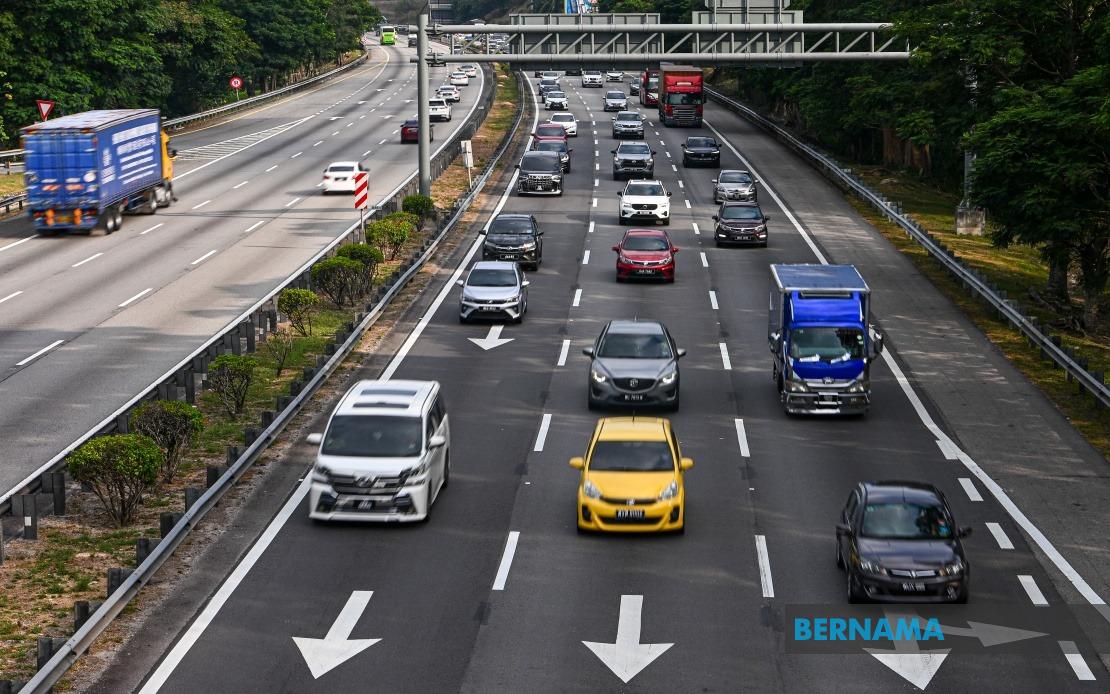
The Malaysian Highway Authority (LLM) has sounded an alert ahead of Saturday's 16th Johor state election, forecasting a substantial surge in vehicular traffic as over 300,000 voters make their way home to cast their ballots. The prediction underscores the logistical challenges that periodic elections present to Malaysia's transportation infrastructure, particularly when concentrated travel occurs across a short timeframe in a single state. LLM chairman Datuk Seri Hasni Mohammad issued the advisory on Monday, emphasizing the need for early preparation and careful route planning to navigate what is expected to become congested thoroughfares throughout Johor.
The anticipated movement of voters represents a significant proportion of Johor's electorate returning to their constituencies for the July 11 polling day. This cyclical pattern of homeward migration during elections is familiar across Malaysia, where many registered voters reside in different states for work or education but maintain their voting rights in their home constituencies. The concentration of such travel within a compressed timeline—typically the day before and morning of polling—creates bottlenecks on critical corridors. The LLM's early warning indicates the authority's recognition that proactive communication can influence travellers' behaviour and reduce peak-hour congestion.
To mitigate disruption, the highway authority has implemented a series of operational adjustments specifically timed for polling day. Lane closure maintenance work across the state's highways will be deferred, with the exception of emergency repairs that cannot be postponed. This decision reflects a deliberate trade-off between routine maintenance schedules and the operational demands of managing heightened traffic volumes. The measure demonstrates how electoral events necessitate temporary reordering of public service priorities, channelling resources toward traffic management rather than infrastructure upkeep during critical periods.
Motorways serving Johor face particular scrutiny. The North-South Expressway, which provides a vital artery connecting the state to Kuala Lumpur and beyond, requires special attention from drivers. The section between Simpang Renggam and Senai currently features third-lane construction activities, which naturally constrains capacity during peak travel periods. Motorists navigating this stretch during heavy election-related traffic will need to exercise heightened caution, as construction zones typically see reduced speed limits and narrower lanes. The LLM's specific mention of this corridor suggests it anticipates this section will experience particular strain.
Digital tools are being mobilised to assist commuters in navigating the anticipated congestion. The authority has actively promoted the TuJu application, which provides real-time journey planning and traffic condition updates to users. By shifting drivers toward data-informed decisions about departure times and route selection, the TuJu platform can theoretically distribute traffic more evenly across available routes and time windows. This technological approach complements traditional advisory channels, acknowledging that modern commuters increasingly rely on smartphone applications for travel information.
Practical vehicle preparation forms another pillar of the LLM's guidance strategy. The authority has reminded motorists to ensure their vehicles are mechanically sound before embarking on journeys that may involve extended highway driving. Additionally, the advisory addresses payment infrastructure, urging drivers to maintain adequate balances in their Touch 'n Go accounts and e-wallet services. This guidance reflects real logistical considerations: vehicle breakdowns on congested highways create cascading delays, while payment system failures at toll plazas can exacerbate congestion during peak periods.
Speed discipline and adherence to traffic management protocols form the behavioural component of the authority's strategy. Drivers are explicitly urged to respect posted speed limits and follow instructions during smart lane operations, which the LLM implements to dynamically adjust traffic flow. Smart lanes, where direction of traffic flow shifts based on congestion patterns, require driver compliance to function effectively. Non-compliance not only poses safety risks but undermines the efficiency gains these systems are designed to provide.
The LLM has also emphasised the importance of strategic use of rest areas and lay-bys along highways. During periods of heavy traffic, drivers may experience fatigue over extended journeys. The authority's reminder to use designated rest and service facilities serves dual purposes: it encourages drivers to take breaks that improve safety, while also preventing improper roadside stops that could further disrupt traffic flow.
Multiple communication channels have been established to disseminate real-time information. The LLM maintains active presence on social media platforms, particularly Facebook and TikTok, where updates tagged @llmtrafik reach digitally-connected audiences. Additionally, the LLM Traffic Management Centre operates a telephone hotline at 1-800-88-7752, ensuring accessibility for drivers without smartphone access. The official LLM website provides live CCTV footage of highways, allowing users to assess conditions before and during their journeys.
For Malaysian voters particularly, the Johor election presents a familiar ritual with recurrent infrastructural implications. The state's geographic position in the southern peninsula, combined with its status as a major employment and educational hub, means that election-related travel concentrates more heavily there than in many other states. The three-million-plus registered voters in Johor create conditions where even modest percentages deciding to vote from their home constituencies generate substantial traffic volumes.
The road authority's preventive approach reflects lessons learned from previous electoral periods. By establishing clear expectations, providing practical guidance, and implementing operational accommodations weeks in advance, the LLM aims to transform what could become a crisis scenario into a managed transportation challenge. The July 11 election will serve as another data point in understanding how Malaysia's infrastructure adapts to periodic mass movements of its citizens exercising their democratic rights.

