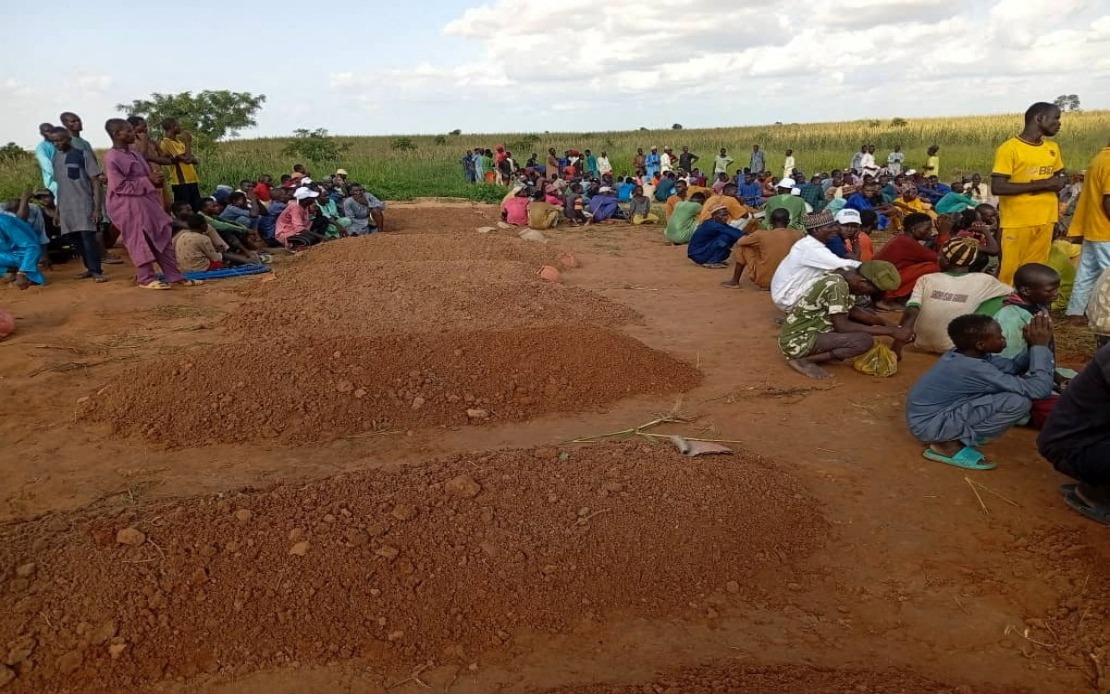
A devastating maritime disaster unfolded in Nigeria's northwestern Sokoto state on Thursday when an overcrowded boat carrying farmers and agricultural workers capsized, claiming the lives of more than 40 people, the majority of them children. Officials and eyewitnesses confirmed the tragedy occurred near Gorau town in Goronyo Local Government Area as passengers made their way to rice cultivation sites for planting and harvest activities.
The initial death toll, provided by Abdulkadir Yusuf, Sokoto state manager of Nigeria's National Inland Waterways Authority (NIWA), stood at 40 confirmed fatalities, though authorities acknowledged the figure remained preliminary and subject to revision as recovery operations continued. However, on-the-ground accounts painted a grimmer picture. A witness present at the scene reported observing approximately 47 bodies—many carefully wrapped in traditional mats and cloth—laid out at a community mosque in Gorau awaiting funeral rites scheduled for that evening.
The composition of casualties underscores the particular vulnerability of young passengers on Nigeria's inland waterways. Nasiru Adamu, the lawmaker representing Goronyo in the Sokoto State House of Assembly, revealed that the majority of those aboard the vessel were between 10 and 15 years old. His account suggested the boat had been carrying close to 70 people in total—far exceeding safe capacity—with over 40 bodies recovered and 16 individuals rescued as emergency teams worked to locate survivors in the murky waters.
Personal testimonies from the affected community illustrated the human toll. Samaila Garba, a 55-year-old local resident, mourned the loss of his 13-year-old granddaughter, Jamila Usman, among the deceased. Garba's own observation of the recovery scene revealed his count of at least 42 bodies, predominantly women and children, underscoring how this tragedy had devastated families across multiple generations within the community.
Emergency response efforts remained active following the initial capsizing, with local divers continuing systematic searches of the waterway to recover additional bodies and identify any remaining survivors. These ongoing recovery operations reflect both the scale of the disaster and the challenges posed by conducting rescue missions in Nigeria's inland water systems, which often lack modern equipment and trained personnel.
The incident reignites longstanding concerns regarding transportation safety standards governing Nigeria's extensive network of inland waterways. Systematic failures in multiple critical areas have created conditions for repeated tragedies. Overcrowding remains endemic, with operators regularly exceeding vessel capacity limits to maximize revenue. Simultaneously, boats deteriorate without adequate maintenance, and enforcement of established safety protocols remains sporadic and ineffective. These institutional weaknesses prove particularly lethal during the rainy season, when water levels rise and conditions become treacherous.
This latest disaster follows a comparable tragedy that occurred in January, when a waterlogged boat went down in Yobe state in northeastern Nigeria, resulting in at least 25 deaths. The recurring pattern of such incidents demonstrates that these are not isolated misfortunes but rather symptoms of systemic inadequacies in maritime governance and oversight across the country.
For Malaysia and other Southeast Asian nations, Nigeria's struggles with inland waterway safety offer instructive lessons. While Malaysia has established relatively robust maritime regulatory frameworks through agencies such as the Malaysian Maritime Enforcement Agency and port authorities, developing economies sharing Nigeria's transportation challenges must remain vigilant. Overcrowding on ferries and water transport services occurs periodically across Southeast Asia, particularly in rural areas and during peak travel seasons, necessitating continuous investment in safety infrastructure and enforcement.
The tragedy also highlights broader questions about agricultural labor conditions and child welfare in developing economies. The presence of large numbers of children on a commercial transport vessel used for agricultural work raises questions about school attendance, child labor practices, and family economic pressures in the affected Nigerian communities. Such circumstances reflect poverty dynamics that extend beyond immediate transportation safety concerns.
Nigerian authorities will face mounting pressure to implement comprehensive reforms across the inland waterway sector. Essential measures should include mandatory capacity certifications, regular vessel inspections, deployment of life-saving equipment, and public education campaigns regarding maritime safety. International maritime organizations may also need to provide technical assistance to strengthen regulatory capacity.
The ripple effects of such disasters extend through affected communities for years. Beyond immediate grief and loss, families lose breadwinners, children lose parents or siblings, and communities lose productive members. The economic consequences compound social trauma, particularly in rural agricultural communities where livelihoods depend on farming and seasonal labor patterns.
As investigations into the immediate causes proceed, Nigerian officials must confront the systemic vulnerabilities that have allowed such preventable catastrophes to recur. Without meaningful intervention addressing overcrowding, vessel maintenance standards, and enforcement mechanisms, the inland waterways will likely claim additional lives in coming months.

