More than 62,000 national flags have been distributed throughout Malaysia's three Federal Territories as part of preparations for the 2026 National Day and Malaysia Day celebrations. The Jalur Gemilang deployment, which commenced in early August, represents a significant initiative to bolster patriotic sentiment across Kuala Lumpur, Putrajaya and Labuan. These flags now adorn protocol roads, public spaces and residential neighbourhoods, creating a visible tapestry of national pride ahead of the important commemorative occasions.
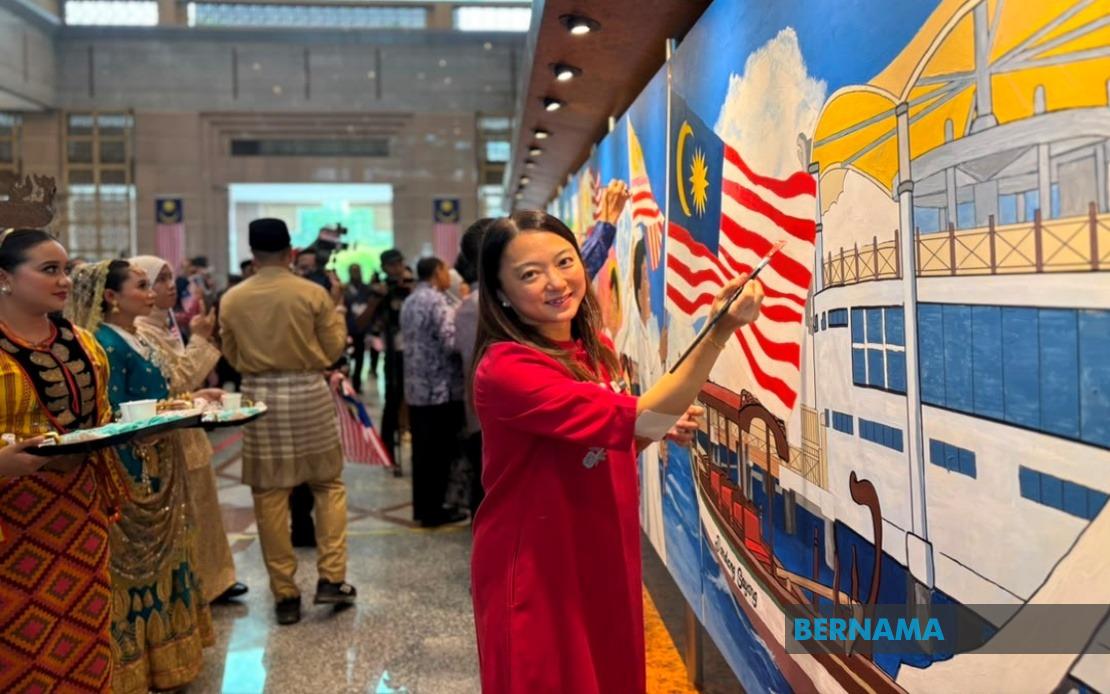
Hannah Yeoh, Minister in the Prime Minister's Department overseeing Federal Territories affairs, unveiled the distribution figures while launching the Aspirasi Jalur Gemilang: Mural Kemerdekaan programme in Putrajaya. She emphasized that the widespread display of the national flag serves as a tangible expression of Malaysia's commitment to celebrating independence and democratic values. The initiative extends beyond physical flag deployment to encompass digital platforms, encouraging Malaysians to showcase their patriotism through social media channels and online engagement.
A critical component of the campaign centres on flag etiquette and proper display protocols. Hannah stressed that organisations and businesses must ensure their personnel understand correct flag-hoisting procedures, moving beyond mere symbolic gesture to demonstrate respect for national emblems. She acknowledged public anxiety about potential protocol violations, noting that comprehensive guidelines are readily accessible to prevent mistakes. This attention to detail reflects growing awareness that improper flag display—whether inverted positioning, damaged conditions or inappropriate placement—can undermine the very patriotic message authorities seek to convey.
The Minister called upon business owners and institutional leaders to take active responsibility for flag management within their respective domains. Rather than viewing flag protocol as bureaucratic obstruction, she framed it as a shared responsibility contributing to national dignity. Hannah particularly encouraged involving workers in understanding correct procedures, positioning flag-hoisting as an educational opportunity rather than a mere administrative task. This approach recognises that frontline employees often bear responsibility for daily flag operations and deserve clear instruction rather than assumptions about their knowledge.
Educational outreach forms another strategic pillar of the 2026 campaign. Hannah articulated her vision that patriotic values must be cultivated from childhood, with schools serving as foundational institutions where flag respect becomes ingrained cultural practice. By normalising flag display and removing fear of procedural error, authorities hope to foster organic patriotic expression rather than compliance driven solely by regulatory oversight. This philosophy acknowledges that sustainable national pride emerges from genuine understanding and appreciation rather than enforced conformity.
The accompanying Aspirasi Jalur Gemilang mural project at Menara Seri Wilayah extends the campaign beyond conventional flag distribution into public art and commemoration. The 25.40-metre-long Independence Mural, completed during the launch event, features representative landmarks from all three Federal Territories—symbolically uniting Kuala Lumpur's urban prominence, Putrajaya's administrative role and Labuan's historical significance. Integration of the Jalur Gemilang within this artistic framework transforms the national flag from mere object into focal point of Malaysia's territorial identity and developmental journey.
The mural's thematic design carries particular resonance for Malaysian audiences contemplating what these celebrations represent. Beyond ceremonial commemorations, the visual representation of distinct Federal Territory characteristics suggests that national unity encompasses diverse regional contributions and identities. For residents of these areas, the public art installation provides tangible validation of their communities' place within broader national narrative, moving beyond peripheral status to active participation in patriotic expression and historical remembrance.
Federal Territories Department leadership, represented by director-general Datuk Muhammad Azmi Mohd Zain and Putrajaya Corporation president Datuk Mohd Sakeri Abdul Kadir, underscored institutional commitment to the campaign's success. Their presence alongside Hannah Yeoh demonstrated coordinated governance approach spanning multiple administrative levels, from ministerial policy direction to operational implementation by statutory authorities. This institutional alignment enhances campaign credibility and ensures sustained resource allocation necessary for meaningful execution across all three territories.
For Malaysian businesses and residents contemplating flag display, Hannah's reassurance about available guidance materials addresses practical barriers to participation. The emphasis on accessible protocols and supplementary resources—including websites offering visual examples of correct display methods—democratises flag etiquette previously perceived as arcane or exclusive knowledge. By removing institutional gatekeeping around patriotic expression, authorities facilitate broader societal participation and reduce anxiety-driven non-engagement among otherwise willing citizens.
The timing of this 2026 campaign reflects Malaysia's broader efforts to reinvigorate patriotic consciousness amid complex contemporary challenges. As nations globally navigate polarisation and identity fragmentation, deliberate cultivation of shared national symbols carries particular significance. Malaysia's approach, emphasising both emotional connection and practical knowledge, acknowledges that sustainable patriotism requires both aspirational appeal and institutional support infrastructure. The flag distribution initiative thus represents more than ceremonial tradition; it constitutes strategic nation-building during a period demanding renewed commitment to inclusive national identity.
Looking forward, the success of this campaign will likely influence approaches to subsequent national celebrations and patriotic initiatives. The integration of public art, digital engagement and grassroots participation suggests an evolving model where commemoration extends beyond elite-driven formal ceremonies to encompass community involvement. For Southeast Asian neighbours observing Malaysian approaches to national symbol deployment, these initiatives demonstrate how traditional patriotic expressions can be modernised and democratised without sacrificing cultural significance or institutional oversight.

