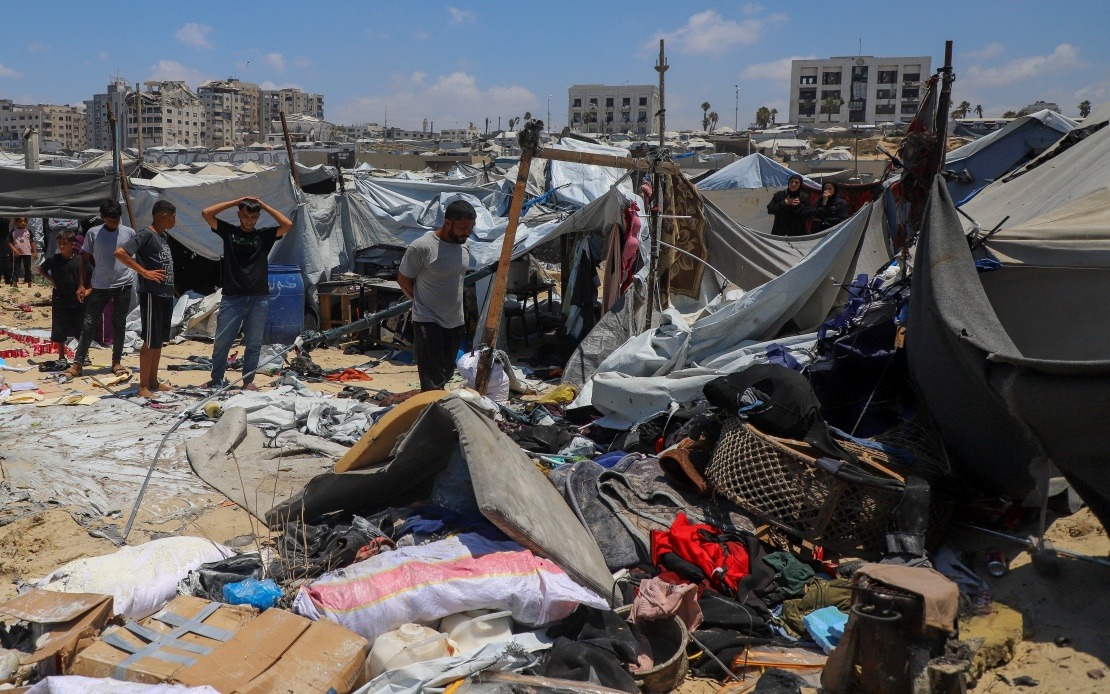
The scale of physical devastation across the Gaza Strip has reached alarming proportions, with a Palestinian government weekly situation report documenting that Israeli military operations have destroyed more than 90 per cent of the enclave. According to data compiled by the Palestinian Government Communication Centre at the Prime Minister's Office and released on Monday, Israeli occupation forces now maintain control over roughly 80 per cent of the war-damaged territory. The assessment underscores the extent of infrastructure collapse and displacement affecting the civilian population in one of the world's most densely populated regions.
During the week spanning June 29 to July 6, military operations intensified markedly across multiple population centres. Khan Younis, Rafah, and Gaza City experienced particularly intense activity, resulting in eight Palestinian deaths according to local medical sources. The sustained campaign reflects a pattern of escalating military engagement that continues to affect civilian communities, with residential areas coming under concentrated shelling while inhabited homes face systematic demolition. These operations have triggered successive waves of displacement, adding to the humanitarian burden already present throughout the territory.
The destruction extends beyond immediate combat zones, with the report detailing how occupation forces have conducted widespread shelling of civilian residential areas and demolished homes on a systematic basis. Each demolition operation displaces Palestinian families from their properties, compounding the existing humanitarian crisis and contributing to the growing number of displaced persons throughout Gaza. The deliberate targeting of residential infrastructure suggests a strategy that prioritises territorial control and depopulation over preservation of civilian spaces.
Parallel to operations in Gaza, military activity in the West Bank has intensified considerably. Israeli occupation forces have conducted extensive raids across the occupied territory, with particular focus on major Palestinian urban centres. Cities and towns including Ramallah, Nablus, Hebron, Bethlehem, Jenin, Qalqilya, and Tulkarem experienced raids involving home invasions, arbitrary detentions, and restricted movement. Occupied Jerusalem also saw increased military enforcement operations, with security forces implementing road closures and movement restrictions affecting civilian access and economic activity.
Beyond state military operations, Israeli settler militias have initiated their own campaign of attacks against Palestinian civilians and property. The report documents incidents including arson attacks on commercial establishments such as a cafeteria in al-Lubban ash-Sharqiya village, physical assaults targeting Palestinian shepherds in areas east of Bethlehem, and attempts to steal livestock. These militia actions represent a parallel threat to Palestinian safety, with groups blocking village entrances and impeding access to agricultural areas. Such activities, often occurring with limited intervention from security authorities, create an environment of persistent insecurity for Palestinian communities.
The agricultural sector faces particular pressure from these combined military and settler activities. The Palestinian Ministry of Agriculture documented a significant escalation in operations specifically targeting farming communities and agricultural infrastructure across the West Bank. These actions appear designed to disrupt Palestinian economic independence and control productive land resources. The targeting of agricultural assets suggests a coordinated effort to undermine Palestinian subsistence and commercial farming capacity.
Olive cultivation has borne the brunt of this agricultural assault. Ministry documentation recorded 2,559 olive trees either uprooted, burned, or otherwise damaged during the reporting period, with the Salfit, Jenin, and Nablus governorates experiencing the most severe losses. Olive farming represents a cornerstone of Palestinian rural economy and cultural heritage, making these losses particularly significant beyond their immediate financial impact. At least 125 individual farmers faced direct losses from these incidents, with cumulative documented damage assessed at approximately US$11.78 million.
The financial toll extends across multiple Palestinian communities and reflects the deliberate targeting of economic infrastructure. Farmers losing olive trees face diminished harvests for years to come, as olive trees require substantial time to reach productive maturity. This temporal dimension of damage creates long-term economic hardship beyond the immediate destruction. For families dependent on agricultural income, such losses translate directly into reduced household revenues and increased poverty risk.
These developments carry significant implications for the broader Middle Eastern conflict and regional stability. The systematic nature of the destruction and displacement in Gaza, combined with intensified military and settler operations in the West Bank, suggests an escalating campaign that affects civilian populations across Palestinian territories. For Malaysia and Southeast Asian observers, understanding the scale of humanitarian impact and the mechanisms of territorial control remains important for regional diplomatic engagement and humanitarian advocacy within international forums.
The Palestinian government's documentation efforts represent attempts to create official records of damage and displacement that may support future accountability mechanisms or humanitarian negotiations. Such reporting also serves to inform international observers about operational patterns and civilian impact, potentially influencing diplomatic responses and humanitarian assistance allocation. The specificity of the agricultural losses documentation indicates Palestinian institutional capacity to quantify and categorise damage despite operating under conditions of active military operations and territorial occupation.

