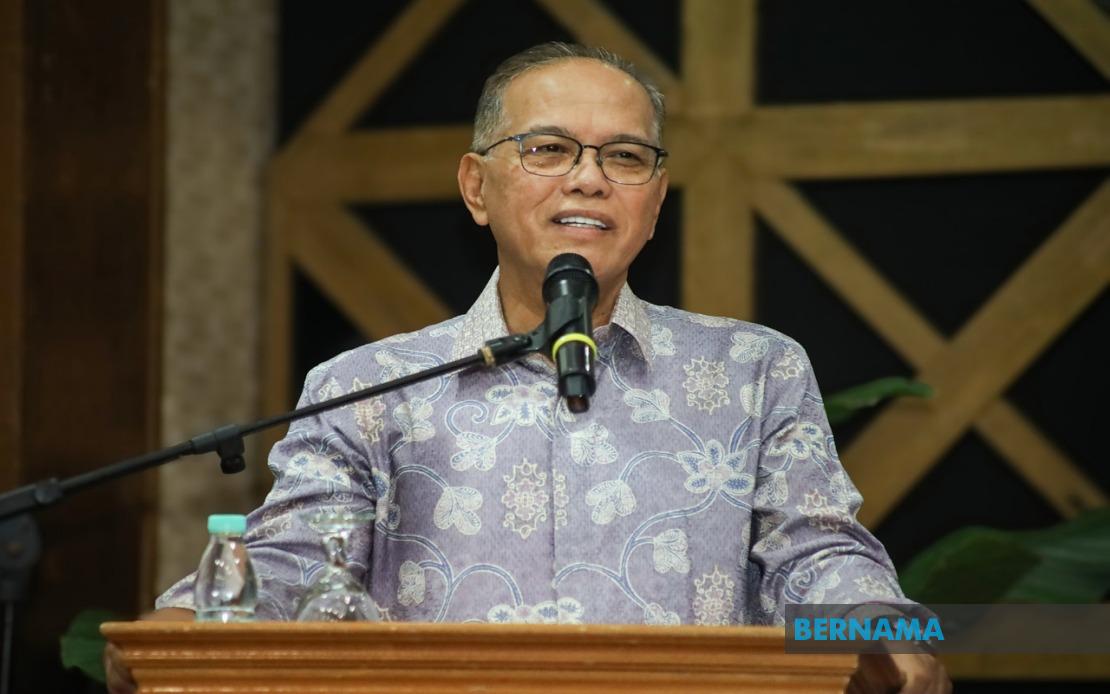
Pahang's state government is taking a strategic approach to economic readiness by investing heavily in technical and vocational education, committing over RM5 million during 2024 to build capacity across multiple training facilities and programmes. Menteri Besar Datuk Seri Wan Rosdy Wan Ismail outlined this vision at Politeknik Sultan Haji Ahmad Shah's 50th anniversary celebration in Kuantan, signalling the state's determination to position itself competitively as manufacturing and industrial projects continue expanding across Malaysia.
The allocation addresses infrastructure modernization, training facility upgrades, and specialized programmes including Pahang Skills initiatives, the TVET Pahang Talent Development scheme, and notably the establishment of a dedicated Pahang Rail Academy. This diversified investment reflects recognition that Malaysia's economic transition requires workers equipped with contemporary technical competencies across multiple sectors, from conventional manufacturing to emerging rail infrastructure projects. The timing proves significant as the federal government continues identifying strategic locations for major industrial corridors and transportation networks.
What distinguishes Pahang's approach is its preventative philosophy toward skills development. Rather than responding to investment announcements with urgent training programmes, the state government aims to cultivate a ready workforce pool in advance. This forward-looking strategy acknowledges a critical gap in Malaysia's development pattern: companies often relocate or expand slowly when they cannot immediately access skilled workers, causing delays and cost overruns. By developing talent before industries arrive, Pahang hopes to accelerate economic multipliers and create immediate employment pathways for state residents.
Politeknik Sultan Haji Ahmad Shah, established in 1976, serves as a cornerstone institution within this ecosystem, having graduated approximately 60,000 skilled workers over nearly five decades. The polytechnic's experience and track record position it as an essential implementation partner for Pahang's broader TVET objectives. Strengthening this partnership becomes crucial as the state seeks to expand capacity without compromising educational quality or relevance to industry demands.
The Menteri Besar emphasized that classroom learning must directly translate into workplace competency, highlighting a persistent weakness in Malaysia's vocational training systems. Disconnects between curriculum and industrial practice have historically resulted in graduates requiring extensive onboarding despite formal qualifications. Addressing this gap requires genuine industry collaboration in designing programmes, developing case studies reflecting actual workplace scenarios, and creating pathways for work-integrated learning. Pahang's commitment to strengthening industry ties represents acknowledgment that TVET institutions cannot operate in isolation from employer needs.
The Pahang Rail Academy development carries particular significance for the region. As Malaysia invests in rail infrastructure expansion through initiatives like the Klang Valley Double Track project and potential future rapid transit connections, demand for specialized railway workers spans technical maintenance, signalling systems, operations management, and safety protocols. Establishing specialized training facilities positions Pahang to capture employment opportunities in this growth sector and potentially serve workers across the broader Klang Valley and Selangor regions.
Beyond immediate skills development, Pahang's TVET investment strategy signals confidence in the state's economic trajectory and commitment to inclusive growth. Technical and vocational pathways traditionally offer more accessible routes to stable employment than university-track education, particularly for students from lower-income backgrounds. By prioritizing TVET funding, the state addresses both labour market demands and social mobility objectives, creating pathways for its youth population to participate in economic growth.
Wan Rosdy's remarks regarding Budget 2027 reveal Pahang's broader development aspirations within federal budget negotiations. The state's geographical vastness creates unique infrastructure challenges—connecting remote communities requires proportionally greater investment than serving densely populated urban areas. The Menteri Besar's call for special federal consideration acknowledges this reality while positioning TVET expansion as a priority deserving recognition alongside traditional infrastructure categories. This framing reflects growing recognition that education and skills investment delivers long-term economic returns comparable to physical infrastructure.
The state government's projected budget priorities spanning education, economic development, welfare, infrastructure, and Islamic promotion indicate Pahang's attempt to balance immediate community needs with long-term competitiveness. TVET funding sits at the intersection of these objectives, simultaneously addressing educational access, economic opportunity, and workforce dignity. The November tabling of the state budget will provide detailed insight into how Pahang prioritizes resources and whether subsequent allocations increase beyond the current RM5 million commitment.
For Malaysian observers, Pahang's strategy offers lessons in proactive economic planning. States competing for investment increasingly recognize that facilities and incentives matter less than workforce readiness. The state's approach suggests that competitive advantage flows not primarily from industrial parks and tax breaks, but from workers entering labour markets with relevant, certifiable competencies. This reframing elevates TVET from remedial programming into strategic economic infrastructure deserving equivalent funding priority and political attention.
The success of Pahang's TVET expansion ultimately depends on execution quality, sustained funding beyond initial allocations, and genuine partnership with employers. Politeknik Sultan Haji Ahmad Shah and related institutions must continuously update curricula reflecting technological change and industry evolution. As Malaysia positions itself within global supply chains emphasizing advanced manufacturing and technology integration, maintaining cutting-edge TVET systems becomes increasingly essential for states seeking to retain and attract investment.

