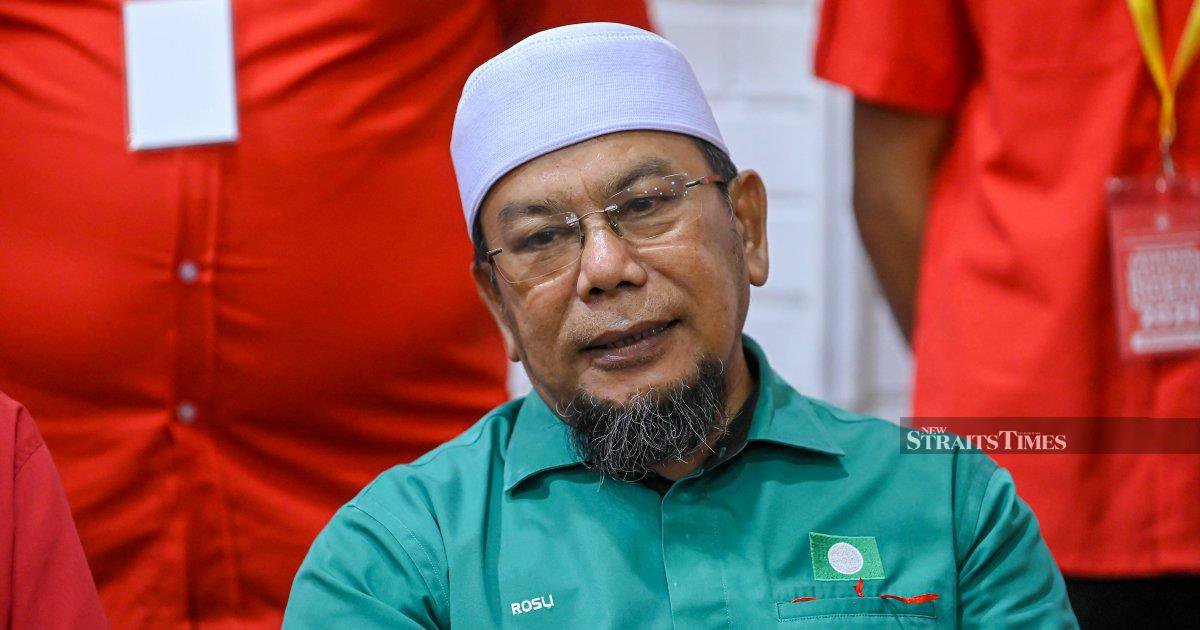
The political landscape in Pahang continues to shift as PAS signals its openness to working alongside Umno, even as the prospect of a direct electoral showdown between the two parties cannot be ruled out. This delicate positioning reflects the complex realities facing both organisations in a state where their interests often overlap but where broader strategic considerations frequently create tension.
PAS leadership in Pahang has recently softened its rhetoric, suggesting that cooperative arrangements with Umno are not entirely off the table. Such signals matter significantly in Malaysian politics, where state-level arrangements often determine the viability of broader national coalitions. For Pahang specifically, a state where PAS has consolidated considerable grassroots support, the decision to keep lines of communication open with Umno represents a pragmatic acknowledgement of the shifting political calculus at both state and federal levels.
The backdrop to these overtures involves the ongoing realignment of Malaysian political forces following recent electoral cycles. Umno, still the dominant force in Pahang despite challenges at the national level, maintains substantial machinery and influence particularly in rural constituencies. PAS, meanwhile, has built formidable organisational networks across the state, particularly among younger voters and in less urbanised areas where Islamic messaging resonates strongly. Neither party can afford to ignore the other's ground presence, making cooperation a rational outcome under certain circumstances.
However, the possibility of electoral conflict remains very real. Previous contests between PAS and Umno in Pahang have often turned acrimonious, with both parties viewing certain seats as non-negotiable strongholds. The historical animosity between the organisations, rooted in their competing claims to Islamic representation and Malay interests, continues to surface whenever cooperation discussions stall. Local party members in various districts have shown little enthusiasm for accommodation, preferring instead to pursue expansion of their respective power bases.
The strategic dilemma facing Pahang's PAS leadership stems from competing pressures within the party itself. Grassroots activists, who have invested considerable effort in building the party's presence across constituencies previously dominated by Umno, resist any arrangement that might limit PAS's electoral ambitions. Conversely, senior leaders recognise that fragmenting the Malay-Muslim vote through a straight fight could benefit opposition coalitions in certain areas, particularly in more urbanised districts where voters have become less predictable in their allegiances.
Umno's position is similarly complex. The party must balance its desire to recover ground it has lost in recent years against the risk of three-cornered fights that could harm both organisations. Umno's internal dynamics, particularly the factional divisions that periodically surface, make centralised decision-making on electoral pacts challenging. Some Umno figures remain deeply sceptical of PAS intentions, viewing the Islamic party's growth as a direct threat to Umno's traditional voter base and long-term viability.
The timing of PAS's cooperative signals deserves careful analysis. The party has made these overtures while maintaining its agenda of expanding representation in state and federal structures. This suggests a negotiating posture rather than a fundamental ideological shift. PAS strategists appear to be testing whether Umno is willing to concede certain seats in exchange for PAS support elsewhere, a classic arrangement in Malaysian coalition politics. How seriously Umno takes these signals will largely depend on circumstances within its own camp and broader national political developments.
For voters in Pahang, these manoeuvres at the leadership level carry real implications. Cooperative arrangements typically mean they will face fewer contested seats and more straight fights between PAS and opposition coalitions. Conversely, electoral conflict between PAS and Umno would fragment the Muslim-Malay vote, potentially opening doors for opposition candidates in constituencies where neither party commands an overwhelming majority. The stakes extend beyond local representation, as Pahang's political trajectory influences perceptions of both parties' viability as governing alternatives.
The uncertainty surrounding electoral timing adds another layer to these calculations. Without a clear timeline for the next general election, both parties operate in a planning vacuum where long-term commitments appear risky. This ambiguity actually favours continued dialogue while postponing definitive agreements. PAS can maintain its public stance of openness while continuing to consolidate support, while Umno can explore whether cooperation makes strategic sense without immediately committing organisational resources to such arrangements.
Regionally, Pahang's political developments matter beyond state boundaries. The state serves as a bellwether for Muslim-Malay political sentiment across the peninsula. How PAS and Umno navigate their relationship here sends signals about the viability of Islamic party politics and Umno's capacity to adapt to changing voter preferences. Opposition coalitions also watch Pahang closely, calculating whether divisions between PAS and Umno might create openings in constituencies they have previously been unable to challenge effectively.
Looking ahead, the rhetoric of cooperation from PAS should be understood as an opening position rather than a settled outcome. Both parties retain substantial flexibility, and circumstances could shift quickly in either direction. What remains constant is the recognition by Pahang's PAS and Umno leadership that their respective interests sometimes align, and that periods of confrontation ultimately serve neither party's broader objectives. Whether this recognition translates into formal arrangements depends on developments in multiple dimensions of Malaysian politics extending far beyond Pahang itself.

