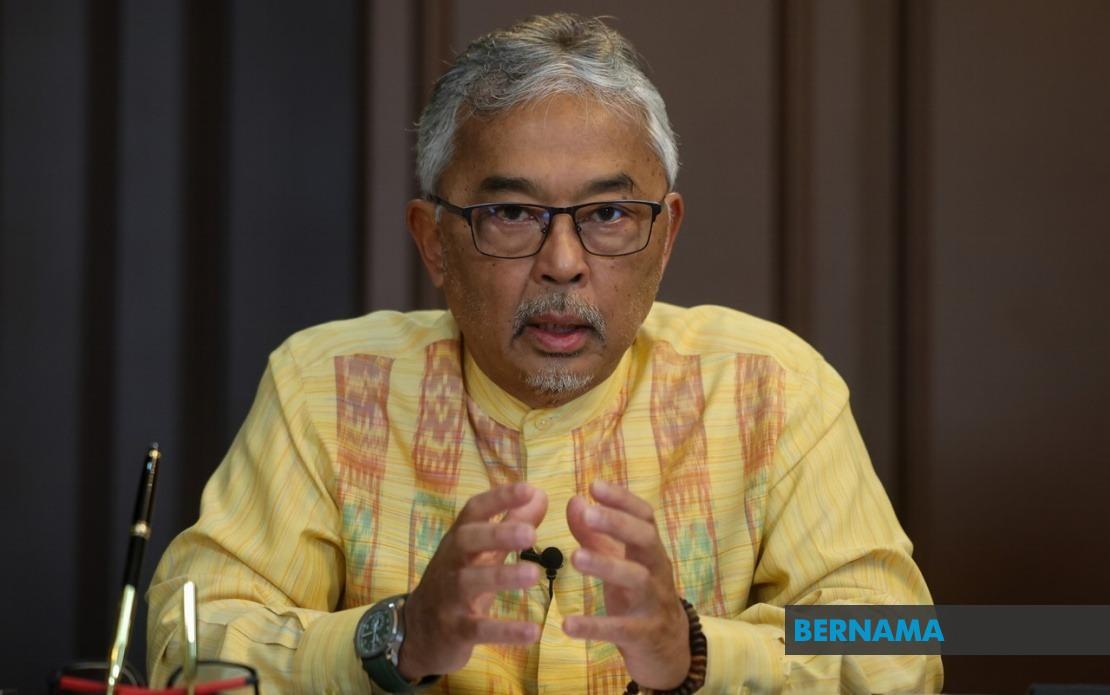
The Sultan of Pahang, Al-Sultan Abdullah Ri'ayatuddin Al-Mustafa Billah Shah, has issued a directive requiring every local authority across the state to conduct thorough inspections and evaluations of mature and large trees that may endanger the public. The initiative, announced in Kuantan on August 14, reflects growing concern about tree-related incidents and represents a coordinated effort to strengthen preventive safety measures throughout Pahang.
According to the royal statement, the assessment programme must be executed with rigour and consistency to pinpoint trees in potentially dangerous conditions. The directive emphasises particular attention to trees positioned in high-traffic zones including public spaces, street verges, housing developments, and other locations where residents and visitors regularly congregate. This comprehensive approach recognises that hazardous trees exist in multiple environments and that a uniform inspection protocol is essential to identify risks systematically.
The Sultan stressed that local authorities must act decisively upon discovering trees deemed capable of posing hazards. Rather than adopting a reactive stance, officials are instructed to implement corrective measures without delay, thereby preventing calamities before they materialise. His Royal Highness explicitly cautioned against complacency, noting that authorities should not postpone intervention until after an incident has already claimed lives or caused injury.
The directive comes in direct response to recent tragedies involving fallen trees that have resulted in deaths and injuries among the general population. These incidents have highlighted vulnerabilities in current tree maintenance practices and underscore the necessity for proactive rather than reactive governance. By issuing this order, the Sultan demonstrates his commitment to prioritising citizen safety and his willingness to use the palace's authority to catalyse action among administrative bodies.
For Malaysian readers, this development carries implications beyond Pahang's borders. Tree-related accidents represent a recurring public safety issue across the country, particularly during monsoon seasons and severe weather events. The Sultan's initiative may serve as a model for other states considering similar protocols, potentially establishing a nationwide benchmark for municipal tree management. Local authorities in Selangor, Kuala Lumpur, and other densely populated areas might face pressure to implement comparable assessment programmes.
The emphasis on early identification and preventive maintenance reflects a broader shift toward evidence-based public administration. Rather than managing crises after they occur, the directive encourages authorities to anticipate problems through systematic inspection. This approach aligns with best practices employed in developed nations and demonstrates that Malaysian institutions can adopt international standards for public safety without compromising local governance structures.
For residents in Pahang, the directive offers tangible protection. Tree maintenance has historically been an underfunded and neglected area of municipal responsibility, with aging trees often remaining unaddressed until they pose immediate danger. By compelling local authorities to conduct regular assessments, the Sultan's order effectively mandates resource allocation to this previously marginalised function. Residents can now expect more visible activity around tree inspection and maintenance in their communities.
The directive also carries implications for local government accountability. By issuing a royal order, the Sultan has created a clear expectation of compliance backed by the authority of the palace. Local authorities cannot easily ignore or deprioritise the initiative without facing potential questions regarding their responsiveness to royal directives. This institutional pressure may prove more effective in spurring action than non-binding recommendations alone.
Implementation challenges remain, however. Many local authorities in Malaysia operate under budget constraints that limit their capacity for comprehensive inspections. Identifying qualified personnel to assess tree health and determining appropriate remedial actions requires expertise not always available within municipal staffing structures. The sustainability of regular inspections depends on securing consistent funding and technical capacity over extended periods, not merely conducting a one-time assessment.
The directive's success will ultimately depend on how thoroughly local authorities interpret and execute their responsibilities. Perfunctory inspections that merely document trees without meaningful evaluation would satisfy the letter of the order while failing to achieve its protective intent. Therefore, the Sultan's office and state-level oversight bodies must establish clear standards for assessment quality and accountability mechanisms to ensure genuine compliance.
Looking forward, this initiative demonstrates the role that traditional authority structures can play in modern governance challenges. Rather than relying solely on bureaucratic processes, the Sultan leveraged his position to directly address a public safety issue affecting his subjects. For other Malaysian states and for the federal government, the precedent suggests that engaging constitutional rulers in identifying and addressing safety priorities can be an effective complement to conventional administrative channels.
The broader lesson extends to how Malaysia approaches municipal services generally. Tree management exemplifies how basic infrastructure maintenance—often regarded as routine and unglamorous—directly impacts public safety and quality of life. The Sultan's intervention elevates this functional domain from administrative obscurity to a matter worthy of royal attention, potentially influencing how policymakers across Malaysia perceive and prioritise such foundational services.

