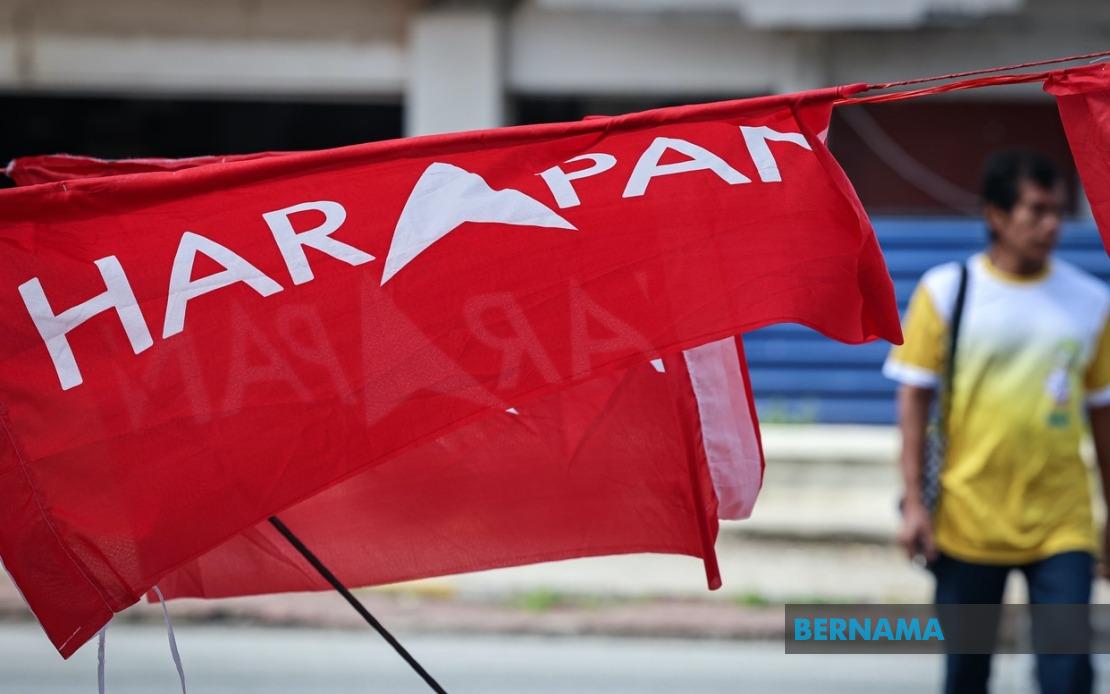
As Johor approaches its 16th state election on July 11, Pakatan Harapan candidates are executing a carefully calibrated final campaign push that seamlessly integrates time-honoured grassroots politics with the demands of modern digital communication. The five-day sprint to polling day has crystallised around what party strategists describe as a hybrid approach—one that acknowledges the persistent effectiveness of personal connection while capitalising on the speed and reach of social media platforms. This dual-track methodology reflects a broader recognition within Malaysian political circles that no single campaign channel can effectively mobilise the diverse demographics of a state electorate.
The essence of this hybrid strategy rests on a fundamental premise: traditional grassroots machinery remains indispensable for converting voter interest into actual ballot-box support, yet the velocity of digital engagement now determines which candidates capture public attention first. Group talks continue to form the backbone of PH's on-the-ground presence, with community forums allowing candidates to address voter concerns directly and gather real-time feedback. Simultaneously, social media infrastructure has been weaponised as what operatives call a virtual campaign room, enabling instantaneous dissemination of manifesto pledges and policy positions to segments of the electorate that might never attend a physical rally.
The presence of senior party figures in Johor has provided psychological momentum to ground-level workers who might otherwise flag during the intensity of a compressed campaign cycle. When Penang Chief Minister Chow Kon Yeow campaigned alongside incumbent Simpang Jeram assemblyman Nazri Abdul Rahman, the visible backing of a successful state leader telegraphed party confidence to voters whilst simultaneously galvanising the morale of the volunteer base. Such theatre matters in election campaigns; it signals to undecided voters that the party considers their constituency worth the time of its most senior operatives, a message that subtly reshapes voter calculus.
The digital dimension of PH's Johor campaign has achieved particular traction through TikTok, where the platform's characteristic informality has proven unexpectedly effective for political messaging. Tiram candidate Nor Zulaila Abd Ghani emerged as a notable practitioner of this approach, crafting campaign content that eschews the stilted formality that typically characterises Malaysian political communication. Her relaxed yet substantive delivery style resonated sufficiently with users that she accumulated social media responses praising her authenticity and suitability for elected office. This phenomenon demonstrates a genuine shift in how younger voters evaluate candidates—substance matters, but the packaging of that substance through culturally appropriate channels now carries equal weight.
The diversification of digital platforms reflects sophisticated targeting: while TikTok captures younger demographics, other candidates have deployed different technologies for different audience segments. Puteri Wangsa candidate Dr Maszlee Malik has established an official WhatsApp Channel titled Gerak Sama Dr Maszlee Malik, a seemingly humble tool that nonetheless provides a direct pipeline to voter concerns and enables the campaign to mobilise supporters with granular precision. The WhatsApp channel format bypasses algorithmic filtering and creates a sense of exclusive access that traditional mass communication cannot replicate. By contrast, Machap candidate Nor Hafiz Roslan has leveraged Facebook to emphasise his professional credentials as a lawyer and community activist, targeting an older demographic more comfortable with that platform's interface and interaction model.
Tanjung Surat candidate Faizul Abdul Ghani has employed yet another tactical variation—the Jelajah Trak Harapan mobile roadshow—which transforms campaign geography itself into a communication advantage. Rather than requiring voters to congregate at predetermined locations, this approach brings the candidate directly to multiple localities with minimal logistical friction. For rural or dispersed communities, this mobility removes genuine barriers to voter engagement. The method also generates its own content; a moving campaign truck in a small town becomes a local event, naturally attracting attention and discussion.
This multifaceted campaign architecture reveals an important maturation in Malaysian electoral strategy. The false dichotomy between traditional and digital campaigning has been abandoned in favour of an integrated ecosystem where each channel reinforces the others. A TikTok video clip can drive discussion at a community gathering; a physical rally provides authentic video content for social media amplification; a WhatsApp update can mobilise supporters to attend offline events. The coherence of this integrated approach matters more than the individual potency of any single tactic.
For Malaysian political analysts, Johor's 2024 campaign offers lessons applicable to future contests at both state and federal levels. The success of PH's hybrid strategy—measured ultimately by polling results on July 11—will influence how other parties approach voter engagement. The Election Commission's scheduling of early voting for security personnel on July 7 allows campaigning to continue essentially uninterrupted through the weekend preceding election day, providing additional time for last-minute mobilisation efforts. In this compressed timeline, the candidates executing the most seamlessly integrated campaigns across digital and physical spaces will likely prove most effective at conversion.
The strategic implications extend beyond Johor's borders. Southeast Asian democracies increasingly face the challenge of conducting elections in an environment where voter attention is fragmented across multiple platforms and traditional media plays a diminished agenda-setting role. Malaysian campaigns are gradually absorbing this reality, moving away from the assumption that broadcast-style political communication can dominate election discourse. Instead, successful candidates recognise that effectiveness requires meeting voters where they actually spend their time—which increasingly means everywhere simultaneously, from neighbourhood dialogues to viral TikTok content to WhatsApp forwarding chains.
As Johor voters prepare to cast ballots on July 11, Pakatan Harapan has positioned itself as a party capable of navigating this complex communication landscape. The true measure of the hybrid strategy's effectiveness will emerge when results are tabulated, but the experimental validation of platforms like TikTok for political outreach has already influenced how Malaysian campaigns think about voter engagement. Whether this represents a fundamental reshaping of Malaysian electoral politics or a temporary adjustment to unique 2024 circumstances will become clearer in subsequent contests.

