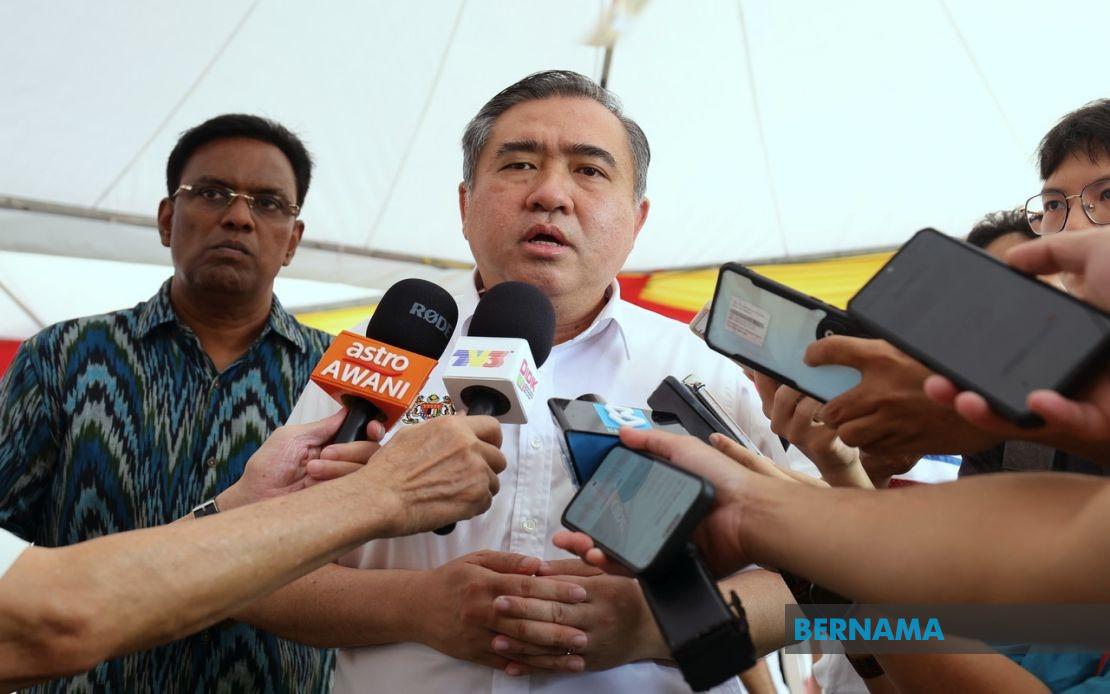
Pakatan Harapan has declared itself prepared to navigate any political manoeuvre by rival coalitions, including a potential alliance between Barisan Nasional and Perikatan Nasional, as the Negeri Sembilan state election looms. DAP secretary-general Anthony Loke made the assertion during an official visit to Seremban on July 16, emphasising that the opposition coalition would not be rattled by tactical shifts orchestrated by competitors.
Loke's confidence stems partly from PH's experience during the recent Johor state election, where the coalition weathered similar strategic repositioning by adversaries. Rather than being preoccupied with predicting or countering each move by BN and PN separately or in tandem, PH leadership has opted to concentrate resources on consolidating its own electoral machinery and messaging apparatus. This inward focus reflects a strategic calculation that party performance and voter perception, rather than opposition tactics alone, will ultimately determine the election outcome in Negeri Sembilan.
The DAP leader's remarks came in response to growing speculation about coordination between BN and PN on seat allocation and constituency negotiations for the state contest. Such cooperation, if formalised, could present a formidable challenge to PH's incumbent position in the state. However, Loke framed the potential alliance as simply one of several scenarios PH has already anticipated, suggesting the coalition has contingency planning in place to address various political alignments.
Unity among PH's constituent parties—DAP, Amanah, and PKR—has been designated as the coalition's foremost priority in preparing for the election. Loke stressed that success hinges not on predicting opposition strategy but on maintaining cohesion among coalition members and maximising their collective strength in contested constituencies. This emphasis on internal solidarity underscores recognition that fractious relations within PH could be more damaging than external competition from a unified opponent.
Addressing concerns that Chinese voters might shift allegiance to opposition parties, particularly MCA, Loke adopted a pragmatic stance, acknowledging that electoral preferences ultimately rest with the electorate. Rather than dismissing the possibility outright, he argued that every political party makes similar claims about public support before voting day, and that actual polling results provide the only meaningful measure of voter sentiment. This measured response reflects awareness that Chinese voter preferences in Negeri Sembilan represent a genuinely competitive battleground.
The incumbent Chennah assemblyman pivoted attention to PH's administrative record in Negeri Sembilan, positioning the state government's performance under Menteri Besar Datuk Seri Aminuddin Harun since 2018 as the coalition's strongest electoral asset. Economic management, infrastructure development, and service delivery achievements would be leveraged extensively in campaign messaging to persuade voters to retain PH's mandate.
Loke also addressed the political crisis in Melaka, where DAP recently withdrew from the state administration in protest over the appointment of nominated assembly members. He characterised the decision as final and stated that PH respected the position taken by Melaka DAP. With the State Legislative Assembly seating arrangements already adjusted to reflect the changed political composition, Loke indicated that the matter had been definitively resolved, allowing PH to move past the dispute and focus energy on Negeri Sembilan.
During the same visit, Loke defended the MADANI Adopted Village initiative against suggestions that the programme represented electioneering disguised as development. As Transport Minister, he clarified that the initiative has operated continuously across all ministries since 2025, aimed at systematically upgrading rural infrastructure and basic amenities rather than constituting a temporary campaign effort. Kampung Baru Mantin, Kampung Mantin Dalam, and Sekolah Jenis Kebangsaan Cina Chung Hua Mantin were selected as beneficiaries under the various strands of the MADANI initiative.
The broader political context in Negeri Sembilan reflects Malaysia's current coalition dynamics, where BN and PN have demonstrated capacity to cooperate on select contests despite their broader national rivalry. For PH, maintaining dominance in the state requires delivering tangible improvements in governance that resonate with voters across demographic groups, whilst simultaneously managing coalition dynamics that could either strengthen or undermine its electoral position. The state election thus assumes significance beyond Negeri Sembilan's borders, potentially signalling shifting voter preferences ahead of the anticipated federal general election.

