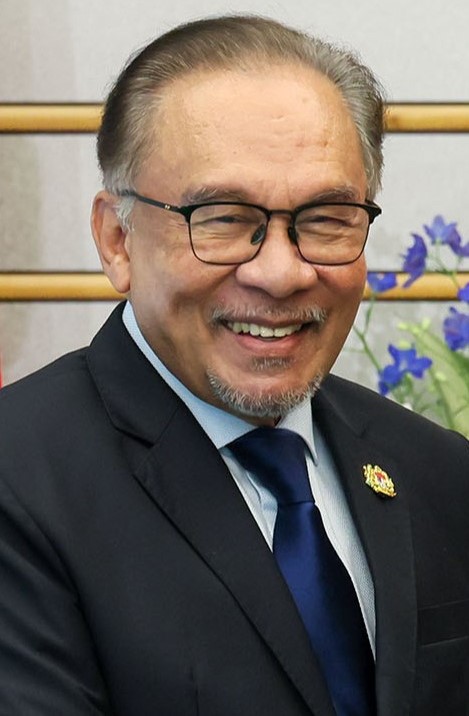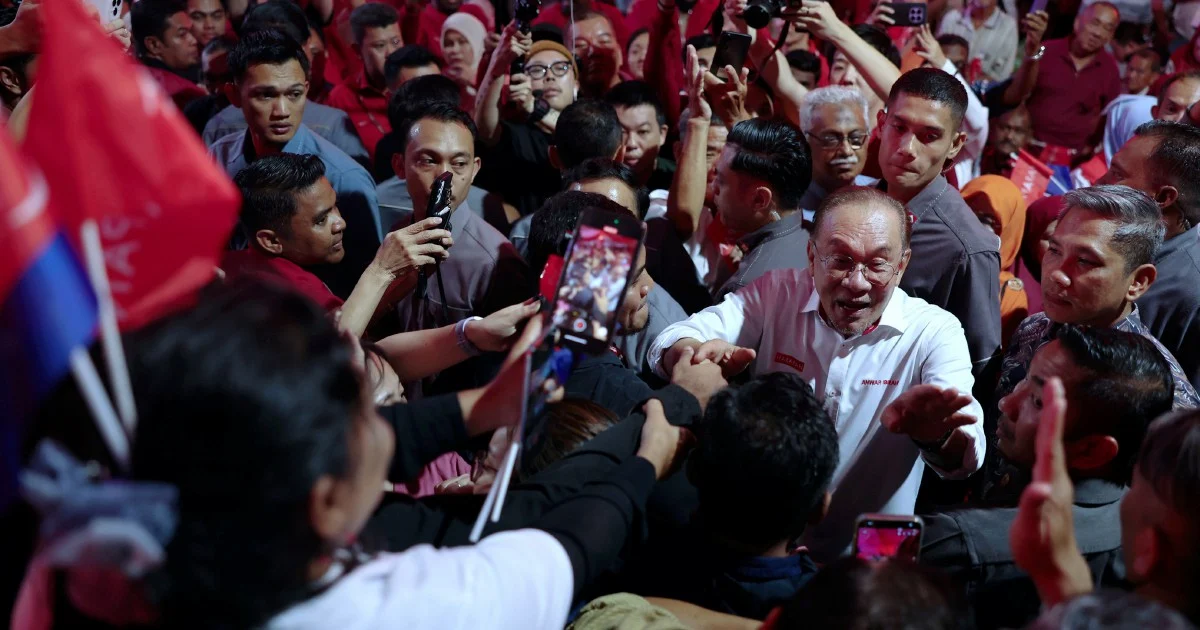
Pakatan Harapan made its formal push for Johor state power on Wednesday, with coalition chairman Datuk Seri Anwar Ibrahim personally unveiling the complete roster of 56 candidates vying in the July 11 elections. The announcement, delivered in Tangkak, signals PH's determination to contest every state seat and mount a serious challenge to the incumbents controlling one of Malaysia's most economically significant states.
The release of the full candidate slate represents a critical juncture in pre-election positioning, with PH signalling its readiness to compete across the political landscape in Johor. Rather than adopting a selective strategy, the coalition's decision to field candidates across all contested seats demonstrates confidence in its organisational capacity and electoral machinery. This comprehensive approach contrasts with previous cycles when opposition alliances sometimes retreated from certain constituencies, ceding ground to stronger rivals.
Johor holds particular strategic importance for PH's national ambitions. The state accounts for significant parliamentary representation and remains economically influential, serving as Malaysia's second-largest economy by state gross domestic product. Control of Johor's state assembly would provide the coalition with considerable leverage in federal politics and potentially unlock access to state development funds and patronage networks that have traditionally bolstered ruling parties.
The timing of the candidate announcement reflects careful political calculation. By revealing the full lineup ahead of official nomination proceedings, PH aims to generate momentum and media attention while allowing candidates time to establish grassroots networks. The strategy also demonstrates unity within a coalition that has faced internal tensions over seat allocation and power-sharing arrangements in previous elections.
Anwar's personal involvement in unveiling the candidates underscores the political weight PH attaches to this contest. As Prime Minister and coalition chief, his direct participation signals top-level commitment and sends a message to party members that leadership takes the Johor campaign seriously. This hands-on approach also allows Anwar to shape narrative framing around PH's electoral viability and governmental readiness.
For Malaysian voters in Johor, the election presents a choice between different visions of state governance. PH's candidate selection reflects the coalition's emphasis on demographic representation, meritocratic advancement, and cross-community inclusion—principles emphasised by Pakatan leadership. The composition of the 56 candidates will likely reflect efforts to balance representation across PH's component parties: PKR, DAP, and Amanah, each bringing distinct political bases and organisational structures.
The July 11 poll represents one of several state elections scheduled across Malaysia's electoral calendar, with regional contests increasingly becoming testing grounds for national political fortunes. Johor's outcome will provide measurable data on voter sentiment regarding PH's federal performance, economic policies, and governance record. Strong performance could strengthen the coalition's position ahead of potential federal parliamentary elections, while poor results might embolden rivals and trigger internal reassessment of campaign strategy.
Historically, Johor has presented mixed prospects for opposition parties. The state has seen shifting political alignments over recent years, with voters increasingly willing to split their votes between state and federal contests. PH's previous electoral experience in Johor provides organisational knowledge and volunteer networks that newer challengers cannot easily replicate. However, the coalition also faces entrenched establishment machinery that has governed the state for decades, commanding resources and institutional advantages.
The 56 candidates will now enter the ground campaign phase, engaging constituents and building support networks in what promises to be a highly competitive environment. Quality of candidates matters substantially in Malaysian state elections, where voters often make decisions based on local representatives' accessibility, perceived integrity, and track records of service delivery. PH's selection process presumably prioritised candidates with strong community connections, professional credentials, and capacity to articulate the coalition's policy vision.
Competition in Johor extends beyond simple PH versus incumbent dynamics. Other political entities, including independent candidates and smaller parties, will also participate in the electoral process. The fragmented opposition landscape in certain constituencies could benefit ruling parties by splitting anti-government votes, though PH's comprehensive fielding of candidates should minimise such risks through direct contests with rivals.
The economic dimension of state governance adds urgency to PH's campaign messaging. Johor's proximity to Singapore and role as a manufacturing and logistics hub make it economically vital to national prosperity. PH will likely emphasise its proposed approach to industrial development, investor attraction, port infrastructure, and cross-border economic integration. State-level policy decisions regarding business licensing, land management, and regulatory frameworks significantly influence corporate investment patterns.
For Southeast Asian political observers, Johor's elections offer insight into Malaysia's evolving democratic dynamics and shifting voter preferences. The region watches Malaysian electoral contests closely, viewing them as indicators of political stability and institutional health. A competitive, well-fought Johor campaign reinforces Malaysia's reputation as a functioning democracy with genuine electoral competition, contrasting with authoritarian neighbours.
As the campaign unfolds toward July 11, the 56 PH candidates will collectively articulate their coalition's vision for Johor's future while engaging in direct competition with opposing parties. The election outcome will shape state-level governance, influence national political momentum, and provide insights into Malaysian voter priorities regarding economic management, corruption accountability, and quality of public services.