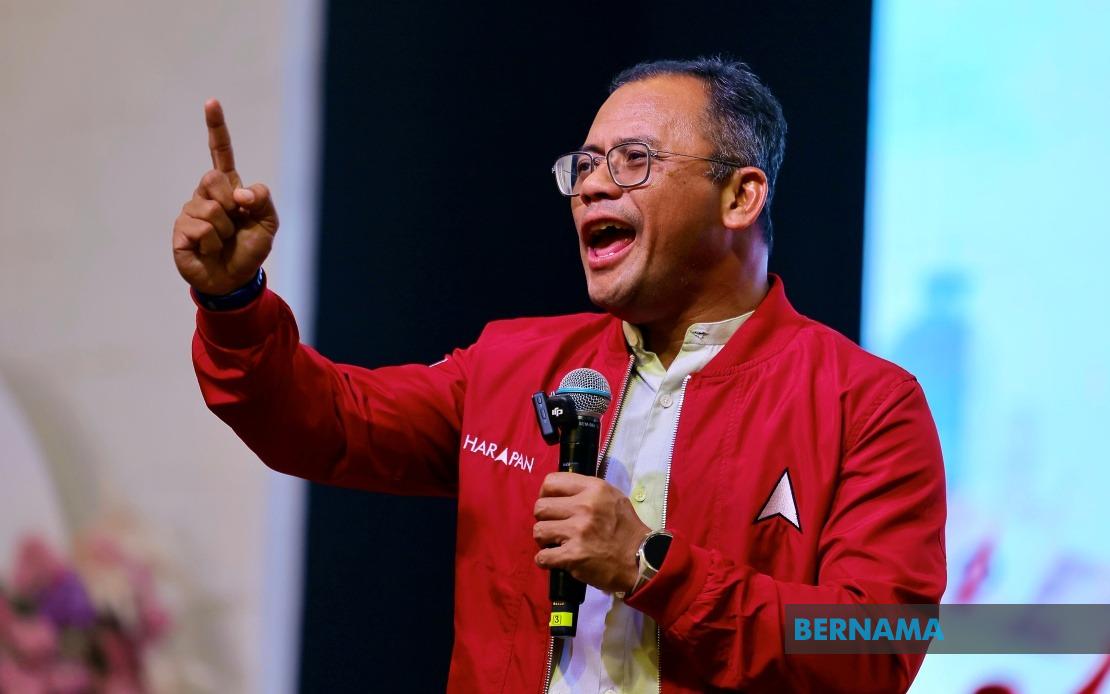
Pakatan Harapan formally introduced its election manifesto titled 'Johor for All' in Johor Bahru on July 3, marking an important milestone in the coalition's campaign preparations for the 16th Johor state election. The launch ceremony brought together key figures from the opposition alliance and assembled the party's slate of candidates competing in the polls, underscoring the coalition's determination to present a unified front to voters across Malaysia's southernmost state.
The manifesto presentation was helmed by Datuk Seri Amirudin Shari, a member of PH's Presidential Council and co-election director for PKR, positioning the event as a nationally significant occasion reflecting the coalition's broader strategic direction. This choice of speaker conveyed the importance the PH leadership places on the Johor contest, particularly given the state's political significance and its history as a traditional stronghold of Barisan Nasional.
Johor's political landscape has undergone considerable transformation over recent years, making the upcoming election crucial for both the ruling coalition and opposition forces. The state has traditionally been dominated by UMNO-led administrations, and any meaningful gains by Pakatan Harapan would represent a substantial shift in peninsular Malaysian politics. The manifesto launch therefore signals PH's intention to mount a serious challenge to the incumbent administration and articulate an alternative vision for governance.
Participating in the ceremony were Aminolhuda Hassan, who chairs PH's state-level operations in Johor, alongside Teo Nie Ching representing the DAP's interests in the state, and Datuk Seri Dr Zaliha Mustafa, who leads PKR's Johor machinery. This multilayered representation emphasises that the manifesto reflects consensus across PH's constituent parties rather than the position of any single faction. The presence of all major component parties demonstrates an effort to maintain internal cohesion as the campaign intensifies.
The decision to brand the manifesto as 'Johor for All' carries deliberate messaging that extends beyond conventional campaign rhetoric. The phrasing suggests an inclusive approach aimed at transcending traditional communal and demographic divisions, positioning PH as a coalition offering benefits and representation to the entire Johor electorate regardless of background. This framing reflects contemporary Malaysian political discourse, where appeals to unity and universal benefit have become increasingly important in voter mobilisation.
For Malaysian political observers, the manifesto launch marks a critical juncture in PH's efforts to revitalise its political fortunes at the state level following its mixed performance in recent years. The coalition's experiences at both national and state levels have provided lessons about voter priorities and effective campaigning. Johor, with its substantial population and economic significance, represents an opportunity for PH to demonstrate renewed momentum and rebuild credibility among a broader constituency.
The manifesto's content will likely address concerns that resonate across Johor's diverse communities, potentially encompassing economic opportunities, infrastructure development, education, healthcare, and governance reform. Given the state's strategic location as a gateway to Singapore and its importance in Malaysia's broader economic framework, candidates will probably emphasise job creation and business-friendly policies. Issues of local concern, such as urban development, affordable housing, and public services, are likely to feature prominently in PH's campaign narrative.
The gathering of candidates itself carries significance beyond the symbolic. These individuals, selected to contest seats across Johor, represent the coalition's vision for whom should hold legislative power in the state. Their presence alongside party luminaries signals that local representatives have been incorporated into broader strategic discussions rather than being relegated to peripheral roles. This approach potentially strengthens candidate morale and demonstrates that the leadership takes grassroots campaigning seriously.
From a Southeast Asian perspective, Johor elections serve as important bellwethers for Malaysian political trends. The state's position makes it a barometer of shifting voter sentiments that can have ripple effects across the region. PH's performance here will therefore be monitored closely not only domestically but also by observers across Southeast Asia who track Malaysian political developments as indicators of broader regional trends.
The manifesto launch also represents PH's attempt to establish a forward-looking narrative before the official campaign period commences. By presenting its platform during this preparatory phase, the coalition seeks to frame the terms of debate and establish its agenda in the public consciousness. This strategic timing allows for gradual dissemination of key messages and gives candidates time to familiarise themselves with policy positions they will need to articulate on the campaign trail.
Looking ahead, the actual content of the 'Johor for All' manifesto will become the subject of intense scrutiny and debate. Opposition parties, particularly those in government, will likely critique PH's proposals, whilst supporters will champion them as evidence of constructive alternative governance. The manifesto's reception among various demographic groups will provide early indicators of how effectively PH has framed its message and whether the coalition's policy proposals align with voter expectations across different regions and communities within Johor.
Ultimately, the manifesto launch represents PH's formal transition into active campaign mode, moving beyond internal discussions and strategic planning into direct engagement with the Johor electorate. The success of this initiative will depend not merely on the quality of the written document but on how effectively party members communicate its provisions and translate them into compelling reasons for voters to support PH candidates when they cast their ballots.

