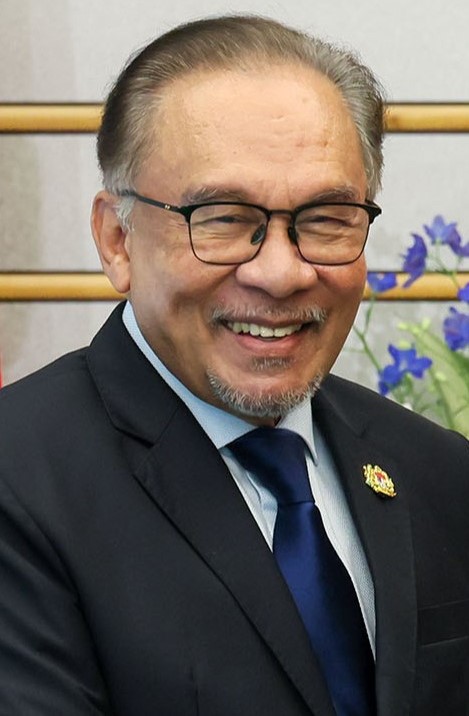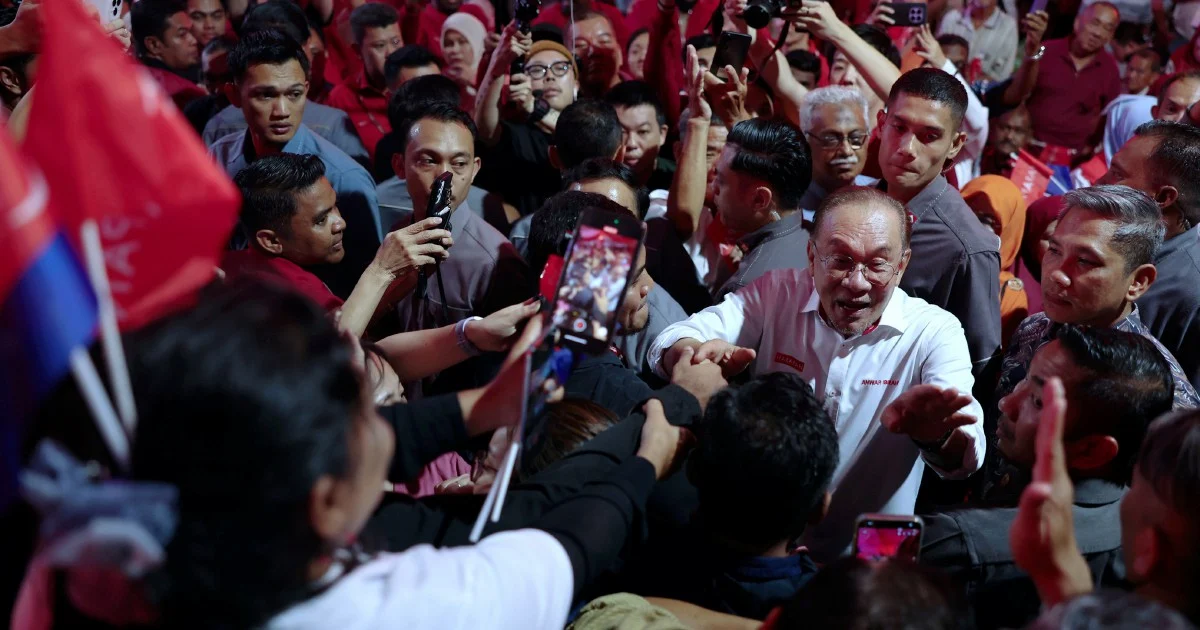
The Pakatan Harapan coalition formally presented its comprehensive list of 56 candidates vying for state seats in the Johor election scheduled for July 11, with coalition chairman Datuk Seri Anwar Ibrahim leading the announcement at an event held in Tangkak. The unveiling marks a critical moment in PH's electoral preparations as the opposition alliance seeks to consolidate its standing in one of Malaysia's most significant states.
Johor has long been viewed as strategically important to Malaysia's political landscape, given its size, economic contribution, and historical voting patterns. The state has traditionally served as a political stronghold, making the July 11 election a key indicator of voter sentiment across the broader peninsula. PH's decision to field a full complement of candidates across all contested seats demonstrates the coalition's commitment to contesting comprehensively rather than adopting a limited approach that might suggest tactical weakness.
The timing of the candidate announcement reflects standard electoral practice in Malaysia, where political coalitions typically reveal their full slate in the weeks preceding a state-level poll. By presenting all 56 names simultaneously, PH allows parties within the coalition to mobilise supporters across their respective constituencies without creating uncertainty about representation. This unified approach strengthens the coalition's organisational messaging and enables coordinated grassroots campaigning.
The composition of PH's candidate list carries implications for internal party dynamics within the coalition, which comprises multiple constituent parties with distinct voter bases and ideological priorities. The distribution of candidatures among component parties reflects negotiated agreements reached within the coalition's leadership structures. Such internal negotiations often involve discussions about seat allocation, geographical representation, and demographic considerations to ensure the slate reflects diverse constituencies.
Anwar Ibrahim's personal leadership of the candidate announcement underscores the significance PH attaches to the Johor election. As coalition chairman, his public endorsement of the full slate signals party unity and confidence in the selected candidates. This high-profile presentation also allows Anwar to shape the initial narrative around PH's electoral positioning before the official campaign period commences, establishing themes that the coalition intends to emphasise throughout the polling period.
The Johor election occurs within a broader context of Malaysian politics characterised by ongoing realignments and fluctuating coalition strength. Previous electoral results have demonstrated voters' capacity to shift support between major political blocs, suggesting that no state can be considered entirely secure for any coalition. PH's decision to contest all 56 seats therefore reflects realistic acknowledgment that electoral outcomes depend on effective campaigning, candidate quality, and resonance with voter priorities rather than inherited political dominance.
Candidate selection processes in Malaysian politics typically involve evaluation of factors including local influence, grassroots support, party loyalty, and demographic fit with the constituency. The candidates announced in Tangkak presumably represent PH's assessment of individuals capable of articulating the coalition's policy agenda while maintaining credibility within their respective communities. The quality and acceptance of candidates often determines electoral performance more decisively than top-line coalition messaging.
The Johor election represents one of several state-level polls scheduled across Malaysia during the current political cycle. Electoral observers and analysts will scrutinise the Johor results as indicators of broader coalition health and shifting voter preferences. Strong performance would strengthen PH's negotiating position in future federal politics, while a disappointing outcome could prompt internal coalition discussions about strategy and direction.
Regional considerations also influence the Johor contest, as the state's proximity to Singapore and its significant Chinese and Indian Malaysian populations create distinctive political dynamics. Johor's economy, heavily dependent on manufacturing, logistics, and cross-border commerce, means that voters prioritise economic management alongside social concerns. PH's candidate slate and campaign messaging will necessarily address these state-specific priorities to maximise voter appeal.
For Malaysian and Southeast Asian observers, the Johor election demonstrates how regional democracies manage coalition politics and electoral competition. The process of candidate selection, announcement, and subsequent campaigning reflects institutional practices and informal conventions that shape political outcomes. The election outcome will influence not only Johor's governance trajectory but also broader calculations about coalition viability and electoral prospects at the federal level, making the July 11 poll significant beyond the state itself.