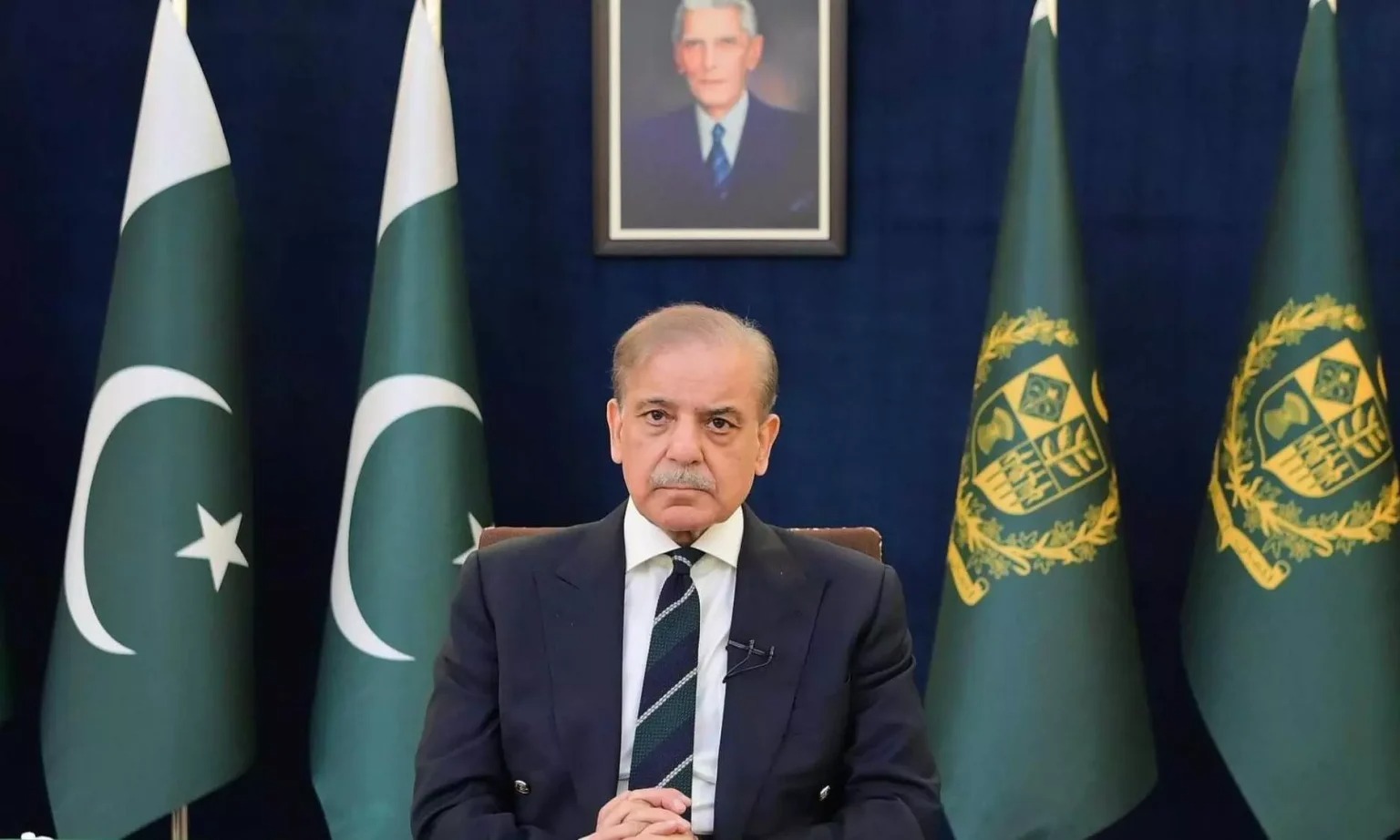
Pakistani and Syrian officials have signalled an ambitious agenda to deepen cooperation across multiple sectors, marking a significant thaw in diplomatic relations after years of limited high-level engagement. The momentum gained during Syrian Foreign Minister Asaad Hassan Al Shaibani's recent visit to Islamabad—the first such trip by a Damascus foreign minister in close to twenty years—represents both a symbolic and substantive shift in how the two South Asian and Middle Eastern nations intend to relate to one another going forward.
The visit, which included a formal audience with Prime Minister Shehbaz Sharif, underscored Pakistan's traditional commitment to Syria's sovereignty and territorial claims. Sharif reaffirmed support for Syria's unity and integrity, and crucially aligned Pakistan's position on the Golan Heights—a contested territory under Israeli control—with Syrian interests. This rhetorical positioning reflects Pakistan's broader Middle Eastern strategy, which balances maintaining strong ties with Arab states whilst managing its own complex regional dynamics, particularly with Iran and Afghanistan.
Beyond diplomatic niceties, both governments have articulated concrete ambitions to revitalise dormant economic and cultural channels. The proposal to restore scheduled airline services between the two countries represents more than mere connectivity infrastructure; it signals intent to rebuild people-to-people contact that has atrophied over time. Direct flights would facilitate business travel, educational exchanges, and tourism, creating the human foundations necessary for sustained bilateral relations. For Pakistan, such connectivity initiatives align with its broader strategy to position itself as a regional hub, whilst for Syria, reopening such channels reflects efforts to reintegrate into international commerce following years of international isolation and internal conflict.
The commercial dimension of these discussions proved equally substantive. Pakistan's Commerce Minister Jam Kamal Khan specifically advocated for deepened private-sector engagement, seeking to unlock untapped business opportunities between the two nations' companies. His Syrian counterpart reciprocated by proposing the establishment of a joint business council—an institutional mechanism designed to provide structured dialogue and reduce transaction costs for entrepreneurs. Such councils typically facilitate trade missions, harmonise regulatory frameworks, and coordinate on investment opportunities, creating ecosystems where bilateral commerce can flourish.
Syria's reconstruction needs present a compelling opening for Pakistani exporters and contractors. Following over a decade of civil conflict, Syria faces enormous infrastructure deficits requiring substantial capital investment and technical expertise. Pakistan's construction sector, manufacturing base, and service industries could potentially supply goods and services to Syrian reconstruction projects. Conversely, Syria's historical role as a regional trade hub and its geographic position bridging Asia, Europe, and Africa make it strategically valuable for Pakistani commerce seeking access to wider markets. The discussions around Syria's infrastructure requirements thus represent not charity but mutual economic interest.
The bilateral conversation also encompassed broader regional geopolitics. Discussions between Shaibani and Deputy Prime Minister and Foreign Minister Ishaq Dar ranged across Palestine, the Golan Heights, Afghanistan, South Asian developments, and West Asian affairs. This expansive agenda reflects how Pakistan and Syria view their relationship not in isolation but as part of interconnected regional challenges requiring coordinated responses. Pakistan's longstanding position on Palestine resonates strongly with Syrian policy, whilst shared concerns about external intervention in regional affairs create natural diplomatic alignment.
Significantly, Shaibani welcomed Pakistan's recent Makkah Joint Defence Agreement, indicating Syria's approval of Pakistan's security diplomacy. The Syrian minister also commended Pakistan's mediation efforts regarding United States-Iran tensions, recognising Islamabad's delicate balancing act between these two major regional powers. This acknowledgment suggests that Syria views Pakistan as a constructive voice capable of promoting de-escalation rather than exacerbating regional militarisation—a reputation Pakistani policymakers have actively cultivated.
For Southeast Asian observers and Malaysian stakeholders particularly, these developments carry implications for regional stability and supply chain dynamics. Pakistan's strengthened ties with Syria could influence broader South Asian foreign policy trajectories and potentially affect regional security calculations. Additionally, as Pakistan deepens Middle Eastern engagement, the commercial opportunities for Malaysian companies operating across both regions—whether through joint ventures, supply chains, or service provision—may shift accordingly. Enhanced Pakistan-Syria trade corridors could create new transit routes and business opportunities for regional players.
The revival of high-level diplomatic engagement also reflects changing regional calculus following Syria's recent rehabilitation within Arab League structures and its reintegration into regional diplomacy. Pakistan's responsive engagement demonstrates how smaller nations navigate great power competition by building diverse partnerships that insulate them from any single external influence. For Syria, Pakistan's recognition and support carries particular weight given Islamabad's significant regional standing and historical influence in Afghan and Central Asian affairs.
Moving forward, the success of these initiatives will depend on concrete implementation. Establishing joint business councils requires genuine private-sector buy-in and willingness from entrepreneurs to navigate new markets. Resuming flights depends on commercial viability and regulatory alignment. Infrastructure investments necessitate bankable projects and transparent governance. These practical hurdles often prove more challenging than diplomatic declarations. Nonetheless, the trajectory established during this visit suggests both nations recognise mutual benefit in closer association, positioning bilateral relations for potentially significant expansion across trade, defence cooperation, educational exchange, and regional diplomatic coordination in coming years.

