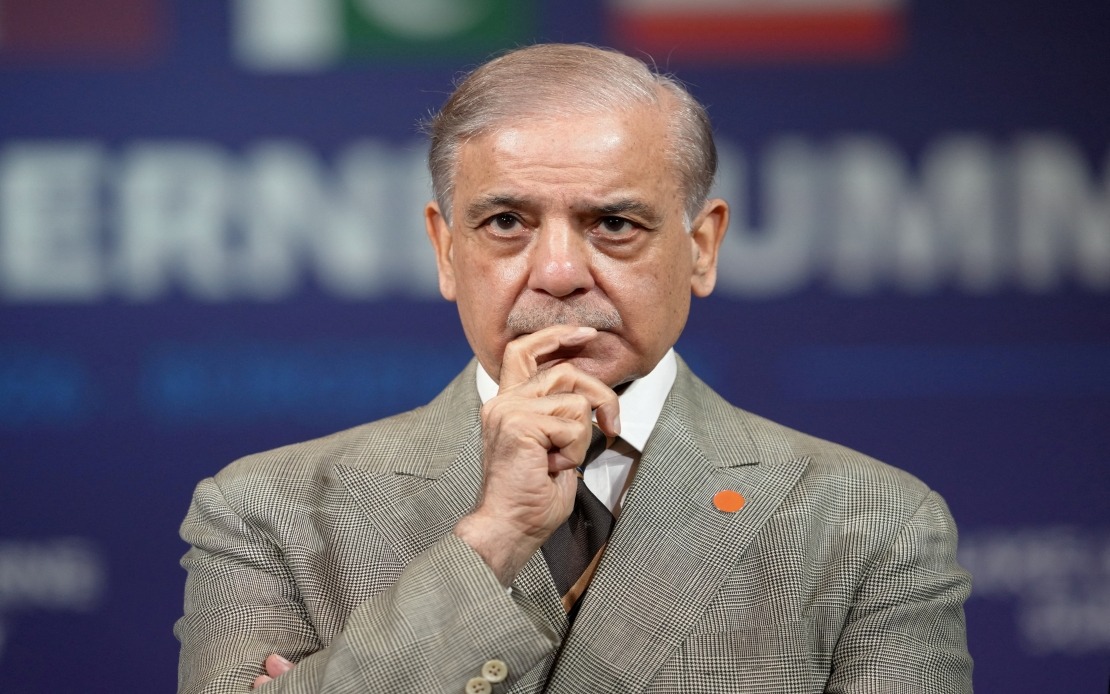
Pakistan's Prime Minister Shehbaz Sharif concluded high-level talks with Turkish President Recep Tayyip Erdogan in Istanbul on Saturday, with both nations pledging to forge substantially stronger economic and strategic partnerships. The visit, which included bilateral meetings and a dedicated business conference, signals renewed momentum in Pakistan-Türkiye relations at a time when both countries are pursuing economic stabilisation and regional integration strategies.
The centrepiece of the engagement was an ambitious $5 billion annual trade target that both governments affirmed during their discussions. This figure represents a meaningful expansion from current trade volumes and reflects the strategic importance both nations place on deepening their commercial relationship. The target encompasses multiple sectors critical to regional development and economic resilience, addressing gaps in supply chains and creating new opportunities for businesses on both sides of the partnership.
Energy cooperation emerged as a primary focus area for the two countries. Given Pakistan's chronic electricity deficits and Türkiye's position as a regional energy hub with diversified supply chains, expanded collaboration in this sector carries implications for Pakistan's industrial competitiveness and manufacturing capacity. Similarly, discussions on critical minerals and their processing align with global trends towards supply chain diversification away from single-source dependencies, positioning both nations advantageously in international markets.
A particularly noteworthy initiative is the proposed Pakistan-Türkiye digital corridor, which Prime Minister Shehbaz discussed with Turkcell chief executive Ali Taha Koc. This infrastructure project aims to establish secure cross-border data flows and integrate digital ecosystems across both countries. For Malaysia and the broader Southeast Asian region, such initiatives are instructive examples of how nations can leverage digital infrastructure to enhance regional connectivity and competitiveness in the technology sector.
The business conference brought together significant Turkish industrial players, including executives from Koc Holding—one of Türkiye's largest conglomerates—alongside representatives from Arcelik, a major home appliances manufacturer, gas distributor Aygaz, and Demir Export. This high-level private sector participation underscores the commercial seriousness underlying the government-to-government commitments and suggests genuine appetite among Turkish businesses for deeper market entry into Pakistan.
Pakistan's delegation extended beyond the Prime Minister to include Deputy Prime Minister Ishaq Dar, who also serves as Foreign Minister, and portfolio ministers covering maritime affairs, power generation, petroleum, privatisation, information technology, and telecommunications. This comprehensive ministerial representation demonstrates the breadth of the partnership and the interconnected nature of the proposed cooperation areas. The involvement of ministers responsible for critical infrastructure sectors indicates that these are not merely aspirational goals but working collaborations with concrete implementation pathways.
The transportation sector featured prominently in discussions, reflecting both nations' geographic positions and potential to serve as connectivity bridges within Asia. Enhanced transportation infrastructure between Pakistan and Türkiye could facilitate trade flows to Central Asian markets and beyond, while also supporting the movement of goods through Pakistani ports to global markets. Such connectivity improvements carry spillover benefits for the entire region, including potential transit benefits for landlocked Asian economies.
Manufacturing and industrial investment formed another substantive discussion point, with particular attention to how Turkish expertise and investment might modernise Pakistani industrial capacity. Given Türkiye's established manufacturing base and export networks, knowledge transfer and joint ventures in this domain could significantly enhance Pakistan's value-added production capabilities and export competitiveness in regional and global markets.
For Malaysia's business community and policymakers, the Pakistan-Türkiye partnership model offers relevant insights into bilateral economic engagement. The structured approach combining government commitment with private sector participation, the focus on digital infrastructure as an enabler of broader economic integration, and the emphasis on critical sectors like energy and manufacturing reflect contemporary priorities in regional economic cooperation.
The timing of this engagement is noteworthy, as Pakistan continues its post-bailout stabilisation programme and seeks to diversify its economic partnerships beyond traditional Western markets. Türkiye, navigating its own economic adjustments, similarly benefits from expanded access to Pakistani markets and supply chains. This convergence of interests creates a robust foundation for sustained cooperation rather than ephemeral diplomatic gestures.
The digital corridor initiative deserves particular analytical attention, as it positions both nations at the forefront of regional digital integration. Unlike traditional bilateral agreements focused solely on trade in goods, this framework addresses data flows, cybersecurity protocols, and technological infrastructure—domains increasingly central to twenty-first century economic competition. The involvement of Turkcell, one of Türkiye's leading telecommunications providers, signals that implementation can rely on established private sector infrastructure and expertise.
Looking forward, the success of these pledges will depend on translating ambitious targets into executable projects. Establishing joint working groups, harmonising regulatory frameworks, and securing financing for infrastructure projects will be essential next steps. For Malaysian observers, the Pakistan-Türkiye model demonstrates how structurally diverse economies can identify complementary strengths and create mutually beneficial partnerships that extend beyond commodity trade into knowledge, technology, and infrastructure domains.

