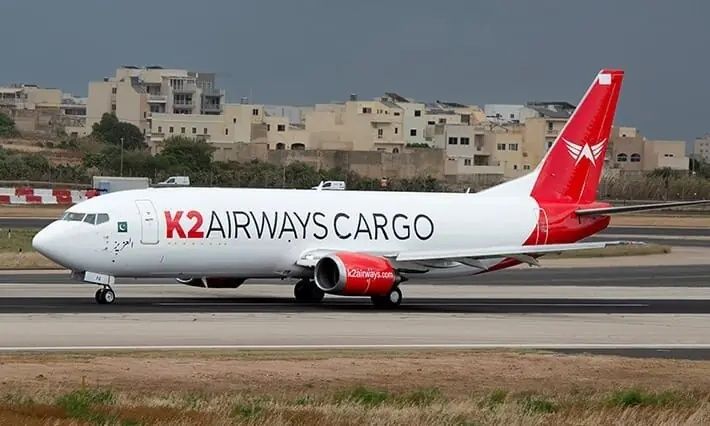
Pakistan has mobilised its navy, air force and merchant vessels in a sweeping search operation for a K2 Airways Boeing 737-400 cargo aircraft that authorities believe crashed into the Arabian Sea off the country's southern coast. Prime Minister Shehbaz Sharif confirmed the suspected crash, which claimed five crew members, and directed all available civil aviation, military and naval resources to locate the missing aircraft and conduct rescue operations. The disappearance of the cargo plane marks another aviation incident for a nation already grappling with a troubled safety record in the commercial aviation sector.
The aircraft was in the final stages of its journey from Sharjah in the United Arab Emirates, headed to Karachi International Airport, when the incident occurred on Tuesday evening. According to the Pakistan Airports Authority, the plane transmitted a distress signal indicating a "navigational system issue" before radar contact was lost. The PAA reported that at 21:21 pm Pakistan Standard Time, the aircraft appeared on radar screens executing rapid descents accompanied by sudden heading changes, approximately 155 nautical miles west of Karachi. Within moments, all communication with the cockpit ceased, leaving authorities with little information about the circumstances surrounding the emergency.
Flight tracking data from Flightradar24, a global aviation monitoring service, provides a troubling portrait of the aircraft's final moments. The preliminary telemetry shows the plane initially lost altitude rapidly, then climbed briefly before experiencing a second, more dramatic plunge toward the sea. This pattern suggests either a catastrophic system failure or a pilot response to an in-flight emergency. The specific nature of the navigational malfunction remains unclear, but such sudden altitude variations typically indicate severe technical distress rather than controlled descent procedures. The combination of system alerts and erratic flight behaviour has led investigators and officials to conclude that a crash occurred, though debris and wreckage have not yet been confirmed.
K2 Airways operates as Pakistan's private cargo carrier, managing both scheduled freight routes and charter operations across domestic and international networks. The airline is a significant player in South Asia's cargo logistics sector, connecting Pakistani business hubs with regional commercial centres. However, the Boeing 737-400 involved in this incident carried particular baggage. The aircraft, manufactured in 1999, had previously served as a passenger transport for Russia's Aeroflot and Indonesia's Garuda Indonesia before undergoing conversion to cargo configuration in 2012. Repurposed commercial aircraft transitioning to freight operations are common throughout Asia, but such conversions require rigorous maintenance and certification to ensure structural and system integrity.
The loss of five crew members represents a significant tragedy for their families and colleagues. Prime Minister Sharif extended official condolences and underscored the government's commitment to locating the aircraft and understanding the circumstances of its disappearance. The search operation, coordinated by Pakistan's military branches alongside civilian aviation authorities, reflects the scale of the incident. Naval vessels and military aircraft have fanned out across the Arabian Sea in an effort to locate physical evidence of the crash, though the vast expanse of ocean and challenging maritime conditions complicate recovery efforts. For Malaysian and regional observers, the operation exemplifies how South Asian nations respond to major aviation emergencies across international waters.
Pakistan's aviation sector has endured recurring safety challenges over the past decade, a pattern that will inevitably shape public and international perception of this latest incident. The country experienced multiple catastrophic crashes, including incidents in Karachi itself, which has heightened scrutiny of Pakistani airlines and maintenance practices. The European Union's decision to ban Pakistan International Airlines from European airspace for four years due to safety and licensing failures underscored systemic concerns about regulatory oversight and operational standards. Although the EU lifted its ban in 2024, recognition of progress did not erase the underlying reputation for safety challenges that continues to affect the Pakistani aviation industry's international standing.
Regulatory frameworks governing cargo operations differ from those overseeing passenger flights, yet both remain subject to international aviation standards established by the International Civil Aviation Organisation. Pakistan's civil aviation authority oversees all domestic and international operators, setting maintenance schedules, pilot qualifications and safety protocols. The incident involving K2 Airways will inevitably trigger comprehensive audits of the airline's maintenance records, crew training programmes and technical documentation. Such investigations typically consume months of detailed forensic analysis, reviewing flight logs, maintenance histories and recorded cockpit communications if black box data can be recovered from the seafloor.
For Malaysian aviation stakeholders and carriers operating in the region, the K2 Airways incident serves as a sobering reminder of the persistent technical and operational challenges facing South Asian aviation infrastructure. Malaysia's own commercial aviation sector has achieved strong safety records through consistent investment in training, maintenance facilities and regulatory discipline. The contrast between Malaysia's aviation safety performance and occasional difficulties experienced by certain Pakistani operators reflects broader disparities in investment, infrastructure development and regulatory capacity across Southeast and South Asia. Malaysian carriers frequently interact with Pakistani airports and airspace, making regional safety standards a matter of direct concern.
The investigation into this crash will likely involve multiple agencies and possibly international aviation accident investigators from the ICAO or other bodies. Recovery of the aircraft's black boxes, typically located in the tail section and designed to survive extreme crashes, would provide crucial data about mechanical performance, system diagnostics and final communications. Underwater salvage operations in the Arabian Sea present logistical complexities, particularly given the depth and weather conditions typical of the region during summer monsoon season. Pakistani maritime authorities face the dual challenge of confirming wreckage location through sonar and debris searches while managing complex underwater recovery operations in international waters proximate to Karachi.

