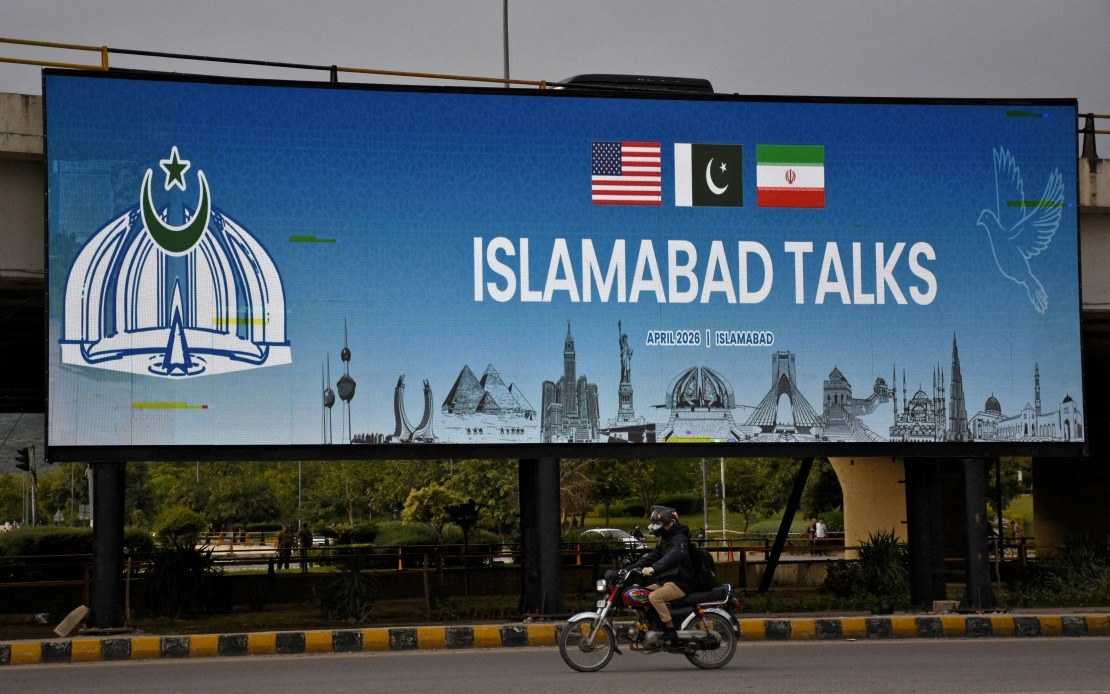
Pakistan will play host to the next round of talks between the United States and Iran on July 11, according to reports from Al Arabiya news channel. The resumption of diplomatic engagement comes as both nations seek to consolidate the gains from a recently signed ceasefire agreement and move forward on several contentious issues that have plagued their relationship for years.
The agenda for the Pakistan discussions will address three interconnected matters that have proven central to any durable settlement between Washington and Tehran: the architecture of international sanctions against Iran, the mechanism for releasing Iranian assets that have been frozen under those same restrictions, and the future trajectory of Iran's nuclear programme. These topics represent some of the most intractable challenges in modern Middle Eastern diplomacy and have resisted resolution through multiple previous attempts at dialogue.
The timing of the talks carries symbolic significance. Iranian officials indicated that the composition of their delegation will only be finalised following the funeral of former Iranian Supreme Leader Ali Khamenei, scheduled for July 9. This sequencing reflects both the domestic importance of the mourning period in Iranian political culture and the leadership's determination to maintain continuity in its negotiating position during a potentially transitional moment.
The diplomatic momentum building toward the July 11 talks originates from a substantial breakthrough achieved in the preceding weeks. In the early hours of June 18, both nations completed the signing of a memorandum that formally terminates the military conflict that commenced on February 28. This document represents more than merely a pause in hostilities; it establishes concrete timelines and mutual obligations designed to reverse the escalatory spiral that had gripped US-Iran relations and threatened regional stability.
Under the terms agreed, the United States commits to lifting its naval blockade of Iranian ports, a restriction that has severely hampered Tehran's maritime commerce and economic activity. Simultaneously, Iran pledges to restore shipping operations through the Strait of Hormuz, one of the world's most strategically vital waterways, through which roughly one-third of all globally traded petroleum passes annually. The restoration of normal passage through this chokepoint carries implications extending far beyond the bilateral relationship, affecting energy markets and maritime commerce across the Gulf region and beyond.
A particularly significant element of the ceasefire framework involves Iran's nuclear commitments. Under the memorandum, Tehran formally undertakes not to pursue the acquisition of nuclear weapons. However, rather than attempting to resolve the entire nuclear question within the ceasefire agreement itself, the parties have designated nuclear matters for treatment through a separate, dedicated negotiation process. This bifurcation reflects the technical complexity of nuclear arrangements and the need for specialist engagement distinct from military de-escalation measures.
The nuclear talks will operate under a compressed timeline, with both sides obliged to conclude negotiations within 60 days. This deadline structure introduces an element of urgency while still allowing adequate time for substantive technical discussions. For Iran, the desired outcome of these parallel nuclear negotiations is unambiguous: the removal or substantial relaxation of the sanctions regime that has constrained its economy for years. The linkage between nuclear agreement and sanctions relief remains central to Tehran's negotiating strategy.
For regional observers, particularly those in Southeast Asia and South Asia who have significant interests in Middle Eastern stability, these developments warrant careful attention. Pakistan's selection as the venue for continued talks underscores the country's role as a potential bridge-builder in regional conflicts, though Pakistan itself maintains complex relationships with both the United States and Iran that could either facilitate or complicate mediation efforts. The successful progression of US-Iran talks has implications for maritime security, energy pricing, and regional military dynamics that extend far beyond the immediate bilateral concerns.
The nuclear issue represents perhaps the most technically demanding element of the broader settlement process. The previous Joint Comprehensive Plan of Action, which collapsed after the United States withdrew in 2018, demonstrated both the intricacy of nuclear verification arrangements and the fragility of agreements dependent on continued political consensus in participant nations. Any new nuclear framework will need to address verification mechanisms, sanctions snapback provisions, enrichment levels and centrifuge deployment, and the timeline for restoring Iran's oil exports to international markets.
For Malaysia and other ASEAN members, developments in US-Iran relations carry practical consequences. Stabilisation of the Middle East directly benefits regional economies dependent on energy security and uninterrupted maritime commerce. Moreover, the precedent of negotiated settlement after military escalation carries broader significance for how regional powers address disputes. The success or failure of the Pakistan talks will likely influence how other regional actors, including those in Southeast Asia, approach their own security challenges and diplomatic opportunities.
The July 11 convening in Pakistan represents a critical juncture in efforts to fundamentally reshape the US-Iran relationship from one characterised by escalation and confrontation to one based on negotiated coexistence. Whether these talks prove a foundation for durable settlement or merely another temporary respite will depend on the willingness of both governments to make difficult compromises on matters they have long considered core national interests. The coming weeks will test whether the momentum established by the June ceasefire can be sustained and translated into lasting agreements on sanctions, assets, and nuclear matters.

