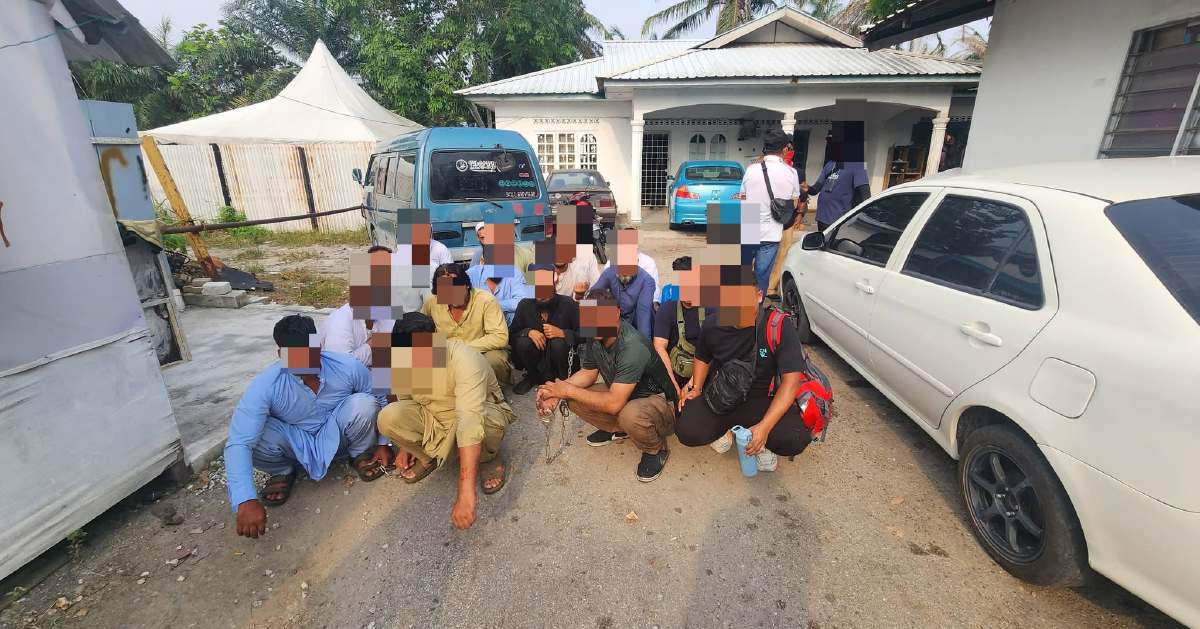
The Immigration Department has dealt a significant blow to an organised criminal syndicate engaged in the systematic dismantling and unlawful sale of vehicle components, bringing to account 20 suspects in a coordinated enforcement operation conducted in Klang yesterday. Officers moved against what they allege is a foreign-directed operation, with Pakistani nationals identified as the primary architects behind the trafficking network. The raids targeted commercial premises along Jalan Kapar, a major logistics corridor in the Selangor industrial belt, where investigations suggest the group maintained operational bases for their illicit activities.
The scale of this enforcement action underscores growing concerns within Malaysian law enforcement about the sophistication and cross-border dimensions of vehicle parts trafficking. Klang, as Malaysia's principal port and an industrial hub housing numerous automotive-related businesses, has long represented both a legitimate logistics centre and a vulnerable node for contraband operations. The fact that immigration authorities—rather than traffic police or local authorities alone—led this operation highlights official recognition that the syndicate's structure transcended simple theft or unlicensed dealing, instead incorporating elements of human trafficking and foreign worker exploitation alongside commercial criminality.
Vehicle parts trafficking has emerged as a persistent challenge across Southeast Asia, driven by the high resale value of automotive components and the relative ease with which stolen or illegally sourced parts can be absorbed into grey markets. For Malaysian consumers, such syndicates pose dual threats: they fuel a market in substandard, potentially unsafe replacement parts whilst simultaneously driving vehicle theft, which increases insurance premiums across the sector. The organised nature of this particular operation, with foreign nationals directing logistics and distribution, suggests involvement of transnational criminal networks capable of moving stolen goods across borders through established smuggling corridors.
Pakistani involvement in such enterprises is not unprecedented in Malaysia. Over recent years, authorities have documented instances of Pakistani nationals operating within various criminal networks, from drug trafficking to document forgery rings. The particular appeal of hiring foreign nationals as operational masterminds lies partly in their distance from local law enforcement intelligence networks and partly in their ability to exploit visa vulnerabilities and the challenges immigration officers face in tracking undocumented or fraudulently-documented workers. This case reflects broader patterns wherein international criminal groups identify Malaysia's porous labour market and sophisticated port infrastructure as ideal conditions for establishing trafficking operations.
The logistics advantages that Klang offers—its proximity to Port Klang, its network of industrial warehouses, and its position as a junction between Kuala Lumpur and Selangor—make it particularly attractive for illicit vehicle parts operations. Components stolen from vehicles registered across Malaysia can be rapidly disassembled, repackaged, and moved through supply chains that feed into small workshops, spare parts dealers, and informal mechanics across the country. Malaysian vehicle owners frequently purchase replacement parts through informal channels, sometimes unwittingly acquiring stolen components at discounted prices. This demand-side reality sustains the economic viability of syndicates, regardless of law enforcement efforts against individual networks.
The Immigration Department's lead role in this operation carries procedural implications. Immigration officers possess powers to arrest foreign nationals suspected of visa violations or illegal employment, charges that typically accompany involvement in organised crime. By framing enforcement through an immigration lens rather than purely criminal investigation, authorities can potentially expedite prosecutions and deportations of foreign nationals, preventing drawn-out court processes. The arrest of 20 individuals in a single operation suggests either a well-coordinated intelligence-gathering phase preceding the raids or fortuitous discovery of a larger gathering during enforcement activities.
Context matters regarding timing and political dimensions. Malaysia's law enforcement agencies periodically announce major crime busts to demonstrate operational capacity and political commitment to combating organised crime. However, the consistency with which such syndicates re-establish operations following arrests suggests that enforcement alone cannot resolve underlying vulnerabilities. Vehicle parts trafficking persists because demand remains strong, barriers to entry remain low for criminal entrepreneurs, and profit margins remain substantial despite enforcement risks.
For Malaysian consumers and vehicle owners, this bust may provide temporary supply-side disruption but unlikely systemic relief. Unless accompanied by systematic efforts to regularise the spare parts market, improve vehicle registration tracking systems, and raise public awareness about the dangers of purchasing components from informal sources, new syndicates will likely fill the void created by this operation's dismantling. The involvement of foreign nationals also underscores challenges Malaysian authorities face in managing transnational organised crime in an era of globalised commerce and high labour mobility.
The investigation into the syndicate's full operational scope remains ongoing. Authorities typically require months to trace the complete supply chains, identify customers, and quantify stolen property recovered through such operations. The 20 arrested individuals will undergo interrogation to establish individual roles and connections to larger networks. Questions regarding how the group sourced vehicle parts—whether through theft, collaboration with insiders at vehicle dismantling facilities, or purchase of recovered accident vehicles—remain to be elucidated. The recovered asset value and the geographic extent of their distribution network will provide fuller understanding of the operation's scale and impact on Malaysia's vehicle security environment.

