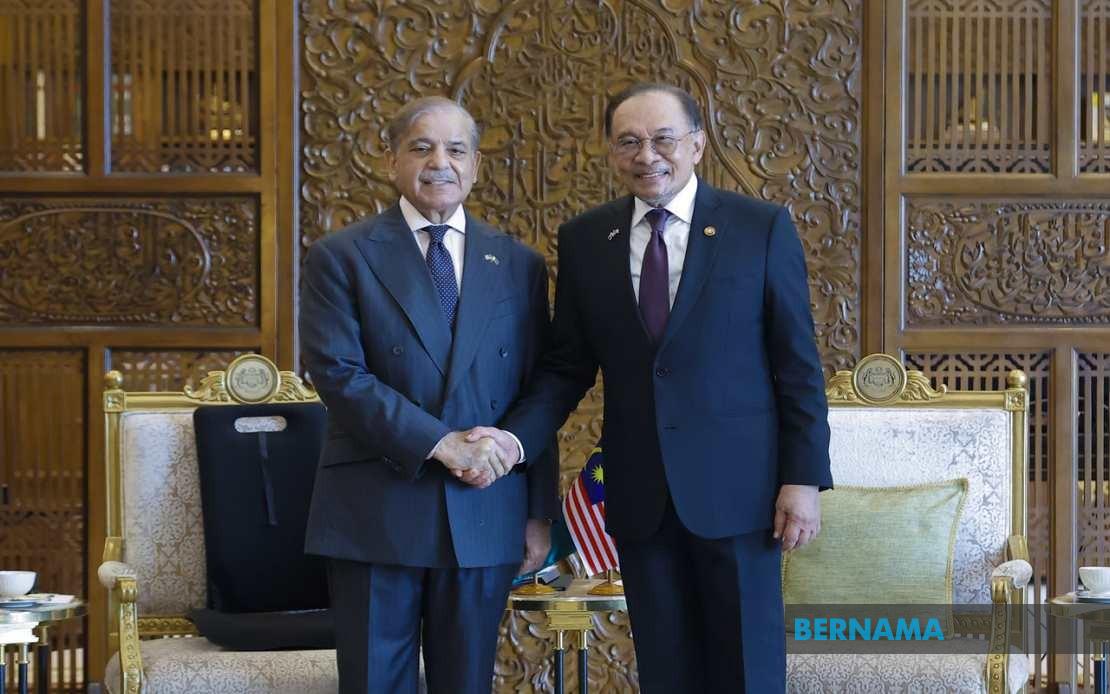
Malaysian Prime Minister Datuk Seri Anwar Ibrahim received warm wishes from his Pakistani counterpart on Monday as he prepared to undergo a scheduled course of medical examinations and procedures. Pakistani Prime Minister Shehbaz Sharif took to social media to express solidarity with Anwar, signalling the strong diplomatic ties between the two Muslim-majority nations and underscoring the personal rapport that often characterises bilateral relations in South and Southeast Asia.
In his public message, Sharif extended his personal hopes for Anwar's full recovery and swift return to his duties leading Malaysia. The gesture reflected customary diplomatic courtesy but also highlighted the importance both countries place on maintaining stable leadership and strong partnerships in an increasingly complex geopolitical landscape. Sharif's invocation of religious blessing demonstrated the shared Islamic values that often underpin diplomatic exchanges between Pakistan and Malaysia, two nations with significant Muslim populations and overlapping regional interests.
According to a statement from Anwar's Senior Press Secretary Tunku Nashrul Abaidah, the Prime Minister was undergoing comprehensive medical assessments as part of a programme prescribed by specialist medical practitioners. The disclosure provided reassurance to the public and international observers regarding the planned nature of the procedures, distinguishing them from emergency interventions. Such transparency around the health status of national leaders is standard practice in Malaysian governance and reflects the country's institutional maturity.
The medical team overseeing Anwar's care had determined that a two-day period of observation would be necessary following the procedures, suggesting a routine but cautious approach to his recovery. This timeframe would keep him under continuous medical supervision during the critical immediate post-procedure period, allowing specialists to monitor his progress and respond to any complications with minimal delay. The relatively short observation window implied confidence in the outcome, though full medical discretion remained with the attending physicians.
Anwar's temporary medical absence carries implications for Malaysia's governance structure, though the planned nature of the procedures allowed for orderly succession arrangements if required. The office of the Prime Minister has established protocols to ensure continuity of government operations during such periods, ensuring that pressing matters of state receive appropriate attention even when the head of government is temporarily unavailable. This institutional preparedness reflects Malaysia's experience as a functioning democracy with established frameworks for managing executive transitions.
The exchange between Sharif and Anwar exemplifies the broader diplomatic engagement between Pakistan and Malaysia, two countries that share religious, cultural, and economic connections. Both nations are active participants in regional forums such as the Organisation of Islamic Cooperation and maintain robust bilateral trade and investment relationships. Personal goodwill between their leaders facilitates smoother cooperation on matters ranging from defence to education.
From a regional perspective, the continued health and effective functioning of key Southeast Asian leadership remains crucial for stability in the Indian Ocean region. Malaysia's strategic location as a maritime hub and its role in major diplomatic initiatives make the wellbeing of its Prime Minister a matter of broader concern to neighbouring nations and international partners. Pakistan, as a South Asian power with growing Southeast Asian engagement, has legitimate interest in Malaysia's political stability.
Anwar's return to full duties following the medical procedures would be closely watched both domestically and internationally. His government has pursued an ambitious domestic agenda while navigating complex regional dynamics, making his continued active leadership central to Malaysia's strategic direction. The public acknowledgement of his medical needs also demonstrates confidence in his ability to manage his health responsibly while maintaining his responsibilities.
The timing of such medical procedures is typically planned carefully to minimise disruption to government operations and international commitments. Anwar's office would have coordinated the scheduling with relevant government departments and international partners to ensure that critical meetings and decisions could be deferred or delegated appropriately. This advance planning reflects professional administration and consideration for national interests.
Pakistan's public expression of support carries diplomatic weight in the Muslim world, where symbolic gestures of solidarity between leaders often resonate beyond immediate practical concerns. Sharif's message effectively communicated Pakistan's investment in Malaysia's continued political stability and its respect for Anwar's leadership. Such gestures strengthen the personal bonds that often prove decisive in international relations, particularly among nations with shared strategic interests and cultural affinities.

