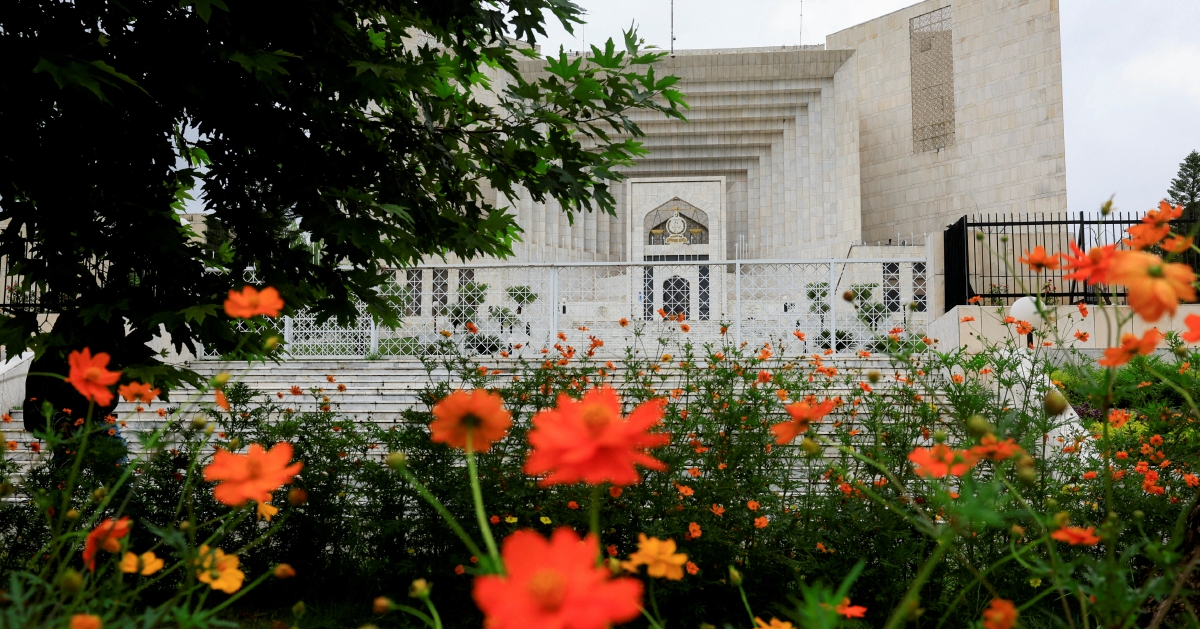
Former Prime Minister Imran Khan, widely regarded as Pakistan's most influential political figure, has been transferred from detention to a hospital facility for comprehensive medical testing following an intervention by the country's highest court. The Pakistan Tehreek-e-Insaf party disclosed the development in an early Friday announcement, confirming that the Supreme Court had ordered the transfer to facilitate Khan's health assessment.
The movement of Khan to medical facilities underscores the intensifying scrutiny surrounding his detention and the broader political tensions gripping Pakistan. Khan's incarceration has become one of the most contentious issues in the South Asian nation's political landscape, drawing criticism from civil society groups and international observers who have questioned the circumstances of his arrest and the multiple legal charges he faces.
Khan's prominence in Pakistani politics stems from his decades-long public profile, initially cultivated through his distinguished career as a professional cricketer before transitioning into activism and eventually electoral politics. His 2018 election victory marked a watershed moment in Pakistan's democratic history, ending what many voters perceived as dynastic political dominance. However, his tenure as Prime Minister proved turbulent, culminating in his removal through a no-confidence vote in 2022.
The circumstances surrounding his arrest and subsequent imprisonment have remained deeply polarised among Pakistani society. Supporters argue that his prosecution represents a politically motivated campaign orchestrated by opponents, while detractors maintain that he faces legitimate legal accountability for alleged misconduct. The Supreme Court's decision to order his hospital transfer suggests judicial concern regarding his health status while in custody, a development that may carry significant implications for his legal standing.
Medical transfers of high-profile detainees in Pakistan often serve as flashpoints for broader political narratives. Khan's supporters have previously raised concerns about the conditions of his detention and have utilised health-related issues to mobilise public sympathy. The Supreme Court's involvement lends official weight to these health considerations, potentially influencing public perception of his case and placing additional pressure on authorities managing his detention.
The hospital transfer also reflects the delicate balance Pakistan's judiciary must maintain between preserving institutional credibility and navigating intense political pressures. By ordering the medical evaluation, the Supreme Court demonstrates responsiveness to concerns about detainee welfare while maintaining its authority over high-stakes cases. For Malaysian observers, this situation illustrates how judicial independence in South Asia remains contested terrain, with courts frequently positioned at the intersection of legal procedure and political consequence.
Khan's political movement continues to mobilise substantial grassroots support despite his incarceration, with party members and sympathisers regularly organising protests and campaigns demanding his release. The transfer to hospital may provide Khan's legal team with opportunities to document his health status, potentially strengthening arguments for bail or case dismissal. Conversely, authorities view continued detention as necessary pending resolution of the charges he faces.
The implications of Khan's situation extend beyond Pakistan's borders, influencing regional perceptions of governance and democratic accountability in South Asia. Countries throughout Southeast Asia facing similar challenges around the political weaponisation of legal systems find instructive lessons in Pakistan's experiences. The question of whether judicial systems can maintain impartiality when handling politically prominent figures remains consistently relevant across the region.
International human rights organisations have monitored Khan's case closely, with several issuing statements expressing concern about due process and detention conditions. The Supreme Court's order for hospital evaluation may partially address such concerns, though observers remain cautious about whether it signals broader shifts in how authorities will handle his case. The court's intervention suggests that domestic pressure regarding his health and detention circumstances has registered at the judiciary's highest levels.
Looking forward, Khan's medical evaluation may become pivotal in determining the trajectory of his legal proceedings. Should the hospital assessment reveal significant health deterioration, arguments for temporary release or modified detention arrangements would likely gain credibility. Additionally, the hospital transfer provides a rare opportunity for his legal representatives to gather evidence about his physical condition during imprisonment, which could feature prominently in future court proceedings.
Pakistan's political establishment appears increasingly aware that Khan's indefinite detention carries substantial domestic and international costs. The Supreme Court's intervention suggests growing judicial concern that prolonged incarceration without transparent legal resolution threatens institutional credibility. Whether this marks the beginning of a shift toward more expedited judicial processing or remains a modest procedural adjustment remains to be seen, but the hospital transfer clearly indicates that Khan's detention has become a matter commanding attention at Pakistan's highest institutional levels.

