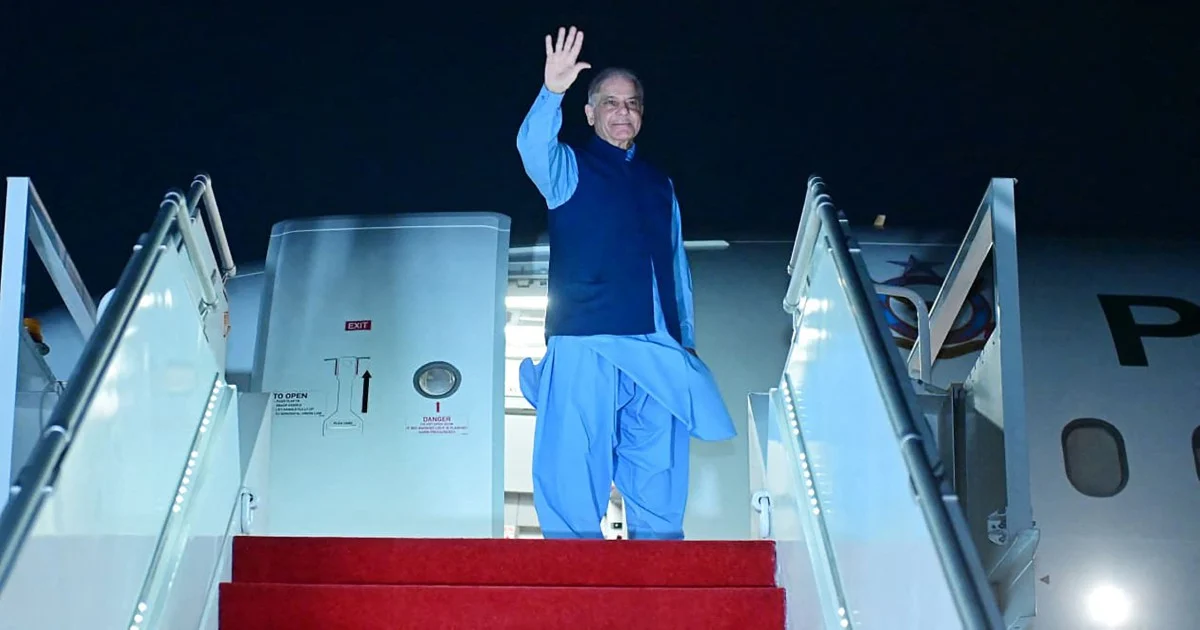
Pakistani Prime Minister Shehbaz Sharif touched down in Switzerland on Sunday morning to take part in technical-level talks between Washington and Tehran, positioning Islamabad as an engaged participant in efforts to defuse Middle Eastern tensions. The presence of Pakistan's top official at these discussions underscores the country's sustained interest in preventing further escalation in a region that directly affects Pakistani security and economic interests.
Pakistan's involvement in facilitating dialogue between the United States and Iran reflects the delicate diplomatic balancing act Islamabad has long maintained between both powers. As a nation sharing borders with Iran and maintaining strategic ties with the United States, Pakistan has frequently positioned itself as a potential mediator in regional disputes. The Prime Minister's personal attendance at these technical talks suggests the discussions carry significance beyond routine diplomatic channels.
The timing of these negotiations occurs against a backdrop of persistent tensions in the Middle East. Technical-level discussions typically focus on specific implementation details and verification mechanisms rather than broader political agreements, indicating that substantive progress may have already been achieved at higher levels. Pakistan's participation suggests it may play a role in monitoring or implementing any agreed arrangements, particularly regarding maritime security in the Persian Gulf and Indian Ocean regions critical to Pakistani trade.
Historically, Pakistan has served as an intermediary between Western powers and Iran, leveraging its geographical position and diplomatic relationships. During previous rounds of nuclear negotiations, Pakistani officials have occasionally participated in advisory capacities. Shehbaz Sharif's attendance indicates this tradition continues, with Islamabad keen to demonstrate its relevance in shaping outcomes that affect regional stability.
For Pakistan's economy and security, Middle Eastern stability remains paramount. The country's substantial diaspora population in Gulf nations remits billions of dollars annually, making regional peace a direct economic concern. Furthermore, Pakistani military personnel operate throughout the Gulf region, and any escalation threatens these operations and Pakistan's broader strategic interests. By participating in these talks, Shehbaz Sharif signals Islamabad's commitment to preventing a wider conflict.
The technical nature of the Switzerland discussions likely addresses verification protocols, sanctions relief mechanisms, and compliance measures that any broader agreement would require. Pakistan's potential contribution might involve intelligence sharing, territorial oversight capabilities, or diplomatic support for international monitoring mechanisms. Such involvement would position Pakistan as an essential stakeholder in any resolution.
Regionally, Southeast Asian nations including Malaysia watch these developments closely. A stable Middle East benefits ASEAN economies through uninterrupted energy supplies and secure maritime passages vital to regional trade. Pakistan's involvement in these negotiations could influence how regional powers coordinate on Middle Eastern affairs, potentially affecting broader Asian diplomatic frameworks and cooperation mechanisms.
Shehbaz Sharif's presence also reflects Pakistan's broader foreign policy priorities under his administration. Since assuming office, the Prime Minister has emphasised regional engagement and economic cooperation. Participation in high-level international negotiations demonstrates Pakistan's intention to remain a relevant voice in global affairs, particularly concerning crises that carry implications for South Asian stability.
The Prime Minister's Switzerland visit arrives as Pakistan manages its own complex international relationships, including ongoing concerns about Afghanistan and India. By engaging in Middle Eastern diplomacy, Shehbaz Sharif attempts to expand Pakistan's diplomatic footprint and demonstrate governance competence during a period marked by domestic economic challenges. International diplomatic prominence can serve domestic political purposes, particularly when addressing economic reforms required by international financial institutions.
Technical talks between major powers often proceed through intermediaries and trusted regional partners. Pakistan's historical experience with nuclear diplomacy, drawn from its own nuclear programme and subsequent negotiations with international agencies, positions it as a credible participant in discussions involving nuclear dimensions. If the US-Iran dialogue addresses nuclear verification issues, Pakistani expertise becomes even more relevant.
The broader implications for regional security architecture extend beyond immediate US-Iran relations. A successful de-escalation could reshape Middle Eastern geopolitics, affecting power balances that influence South Asian dynamics. Pakistan's participation ensures it remains informed of developments and retains influence over emerging arrangements. This engagement reflects Islamabad's recognition that Middle Eastern outcomes cannot be observed passively from South Asia.
Moving forward, Pakistan's role in these discussions may extend beyond the technical talks themselves. Should substantive agreements emerge, implementation mechanisms might require Pakistani cooperation, whether through port facilities, airspace access, or intelligence sharing. Shehbaz Sharif's attendance signals Pakistan's willingness to shoulder such responsibilities, positioning Islamabad as a constructive partner in regional conflict resolution.
%22%2F%3E%3C%2Fpattern%3E%3C%2Fdefs%3E%3Crect%20width%3D%22100%25%22%20height%3D%22100%25%22%20fill%3D%22url(%23ph2l9nug)%22%2F%3E%3Crect%20width%3D%22100%25%22%20height%3D%22100%25%22%20fill%3D%22url(%23ph2l9nup)%22%2F%3E%3Ctext%20x%3D%2250%25%22%20y%3D%2250%25%22%20text-anchor%3D%22middle%22%20dominant-baseline%3D%22central%22%20fill%3D%22rgba(255%2C255%2C255%2C0.95)%22%20font-family%3D%22Georgia%2C%20'Times%20New%20Roman'%2C%20serif%22%20font-weight%3D%22700%22%20font-size%3D%22170%22%20letter-spacing%3D%22-0.02em%22%3ETambirat%3C%2Ftext%3E%3C%2Fsvg%3E)
%22%2F%3E%3C%2Fpattern%3E%3C%2Fdefs%3E%3Crect%20width%3D%22100%25%22%20height%3D%22100%25%22%20fill%3D%22url(%23ph4ena0g)%22%2F%3E%3Crect%20width%3D%22100%25%22%20height%3D%22100%25%22%20fill%3D%22url(%23ph4ena0p)%22%2F%3E%3Ctext%20x%3D%2250%25%22%20y%3D%2250%25%22%20text-anchor%3D%22middle%22%20dominant-baseline%3D%22central%22%20fill%3D%22rgba(255%2C255%2C255%2C0.95)%22%20font-family%3D%22Georgia%2C%20'Times%20New%20Roman'%2C%20serif%22%20font-weight%3D%22700%22%20font-size%3D%22194%22%20letter-spacing%3D%22-0.02em%22%3EBintulu%3C%2Ftext%3E%3C%2Fsvg%3E)