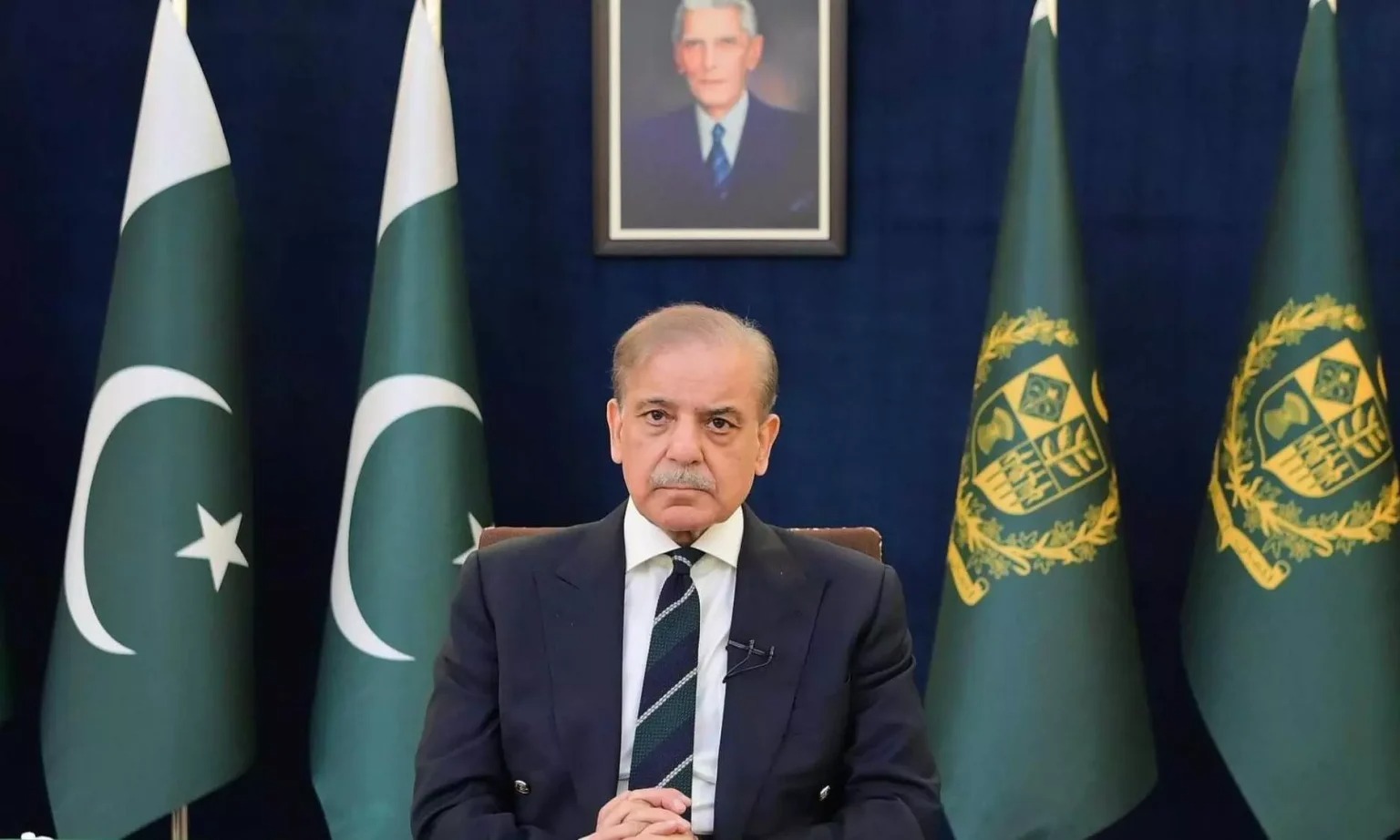
Pakistan's Prime Minister Shehbaz Sharif is set to travel to Tehran on July 4 to participate in the funeral ceremony of Iran's Supreme Leader Ayatollah Ali Khamenei, marking a significant diplomatic moment amid the transition of power in the Islamic Republic. The visit reflects Pakistan's commitment to honouring the late Iranian leader and maintaining its strategic relationship with Tehran, one of its most important regional neighbours. Sharif's attendance signals the importance Pakistan places on its ties with Iran despite the two nations' occasional differences on various policy matters.
In a statement delivered by Foreign Ministry spokesman Tahir Andrabi during a media briefing in Islamabad on Thursday, Pakistan confirmed its high-level representation at the funeral ceremony. According to Andrabi, the prime minister will formally convey condolences on behalf of both the Pakistani government and its people to the Iranian leadership and the families of the deceased. This diplomatic gesture underscores the traditional practice among Muslim-majority nations of sending senior representatives to major state funerals, particularly those involving influential religious and political figures.
The funeral attendance is merely the first leg of Sharif's three-day foreign tour scheduled for July 3 to July 5. Following his visit to Iran, the Pakistani premier will proceed to Turkey at the explicit invitation of Turkish President Recep Tayyip Erdogan. During his time in Ankara, Sharif is expected to engage in substantive discussions covering both bilateral relations between Pakistan and Turkey and broader regional geopolitical developments. This back-to-back diplomatic mission reflects active engagement by Pakistan's leadership with two key allies in the Islamic world.
Shehbaz Sharif will not travel alone on this significant diplomatic journey. He will be accompanied by Pakistan's Deputy Prime Minister and Foreign Minister Ishaq Dar, alongside several other cabinet ministers, forming a substantial delegation. The composition of this high-ranking entourage indicates the gravity Pakistan attaches to both the funeral attendance and the subsequent discussions in Turkey. Having senior ministers present also enables parallel discussions on various portfolio-specific issues, whether economic cooperation, security matters, or cultural exchanges.
The funeral of Ayatollah Khamenei, who has been Iran's supreme leader since 1989, represents a pivotal moment for Iran's political establishment. His death marks the end of an era of stability and consolidated power that has characterized the Islamic Republic for over three decades. International attendance at the funeral, particularly from neighbouring and strategically significant nations like Pakistan, demonstrates the geopolitical weight of Iran's political transition and the importance the international community places on maintaining orderly succession and stability in the region.
India, Pakistan's South Asian rival, has also announced its representation at Khamenei's funeral, sending Bihar state governor Syed Ata Hasnain and deputy foreign minister Pabitra Margherita. While India's delegation is more modest in seniority compared to Pakistan's prime ministerial attendance, it reflects New Delhi's recognition of Iran's regional significance and India's own strategic interests in maintaining cordial relations with Tehran. The contrasting levels of diplomatic representation between the two South Asian powers may signal different prioritization of Iran policy, with Pakistan demonstrating particularly strong commitment through its prime ministerial attendance.
Pakistan's foreign policy towards Iran has historically been complex, balancing its relationship with Saudi Arabia and other Gulf states alongside maintaining ties with Iran. The current visit demonstrates Pakistan's desire to maintain equilibrium in these delicate regional dynamics. By sending the prime minister to pay respects, Pakistan signals that despite any differences with Iran or any geopolitical pressures from other quarters, Islamabad values its relationship with Tehran and respects the Iranian nation during this significant transitional period.
The subsequent visit to Turkey further illustrates Pakistan's strategic engagement with multiple regional powers. Turkey, under President Erdogan, has emerged as an increasingly influential player in regional affairs, from the Middle East to Central Asia. Bilateral discussions between Sharif and Erdogan are likely to touch upon trade relations, defence cooperation, and Pakistan's interests in Afghanistan and Central Asia. The timing of these visits, occurring consecutively, allows Pakistan to reinforce its position as a responsible actor in regional diplomacy.
For Malaysia and other Southeast Asian nations, Pakistan's diplomatic moves carry indirect significance. Pakistan's engagement with Iran and Turkey demonstrates how South and Central Asian powers navigate complex regional relationships. This diplomatic balancing act offers lessons for Southeast Asian nations managing relationships with multiple powers and ideological orientations. Pakistan's commitment to maintaining ties across different regional blocs while respecting the sovereignty and dignity of neighbouring states reflects principles that resonate across Asia's diplomatic corridors.
The funeral of Ayatollah Khamenei will attract substantial international attention and attendance, serving as a barometer for the global standing of Iran and the nature of relationships that various nations maintain with Tehran. Pakistan's high-profile participation, combined with its subsequent regional engagement in Turkey, positions the South Asian nation as an active player in broader Asian geopolitics. This diplomatic initiative may also provide opportunities for Islamabad to advance its strategic interests in the region and reinforce its credentials as a bridging power between different regional blocs.

