The Palestinian Foreign Ministry has mounted a forceful defence of the United Nations Relief and Works Agency for Palestine Refugees in the Near East, resisting what officials characterise as a coordinated campaign to undermine the organisation's authority and operations across occupied Palestinian territories. The statement, issued on Wednesday, represents a critical juncture in debates over humanitarian infrastructure and Palestinian sovereignty as international actors increasingly question the agency's long-term presence in Gaza.
UNRWA has operated as the primary humanitarian and social services provider across the Palestinian territories for decades, managing essential functions that extend far beyond conventional relief work. The agency administers education programmes serving hundreds of thousands of children, operates health facilities providing primary and emergency medical care, manages social welfare systems supporting vulnerable populations, and coordinates emergency assistance during crises. Palestinian authorities argue that dismantling or severely curtailing UNRWA's operations would create an institutional vacuum that no alternative system could quickly fill, leaving millions of Palestinians without access to basic services during an already catastrophic humanitarian situation.
The Palestinian position emphasises that UNRWA operates under an explicit United Nations mandate established through formal international law procedures, granting it specific privileges and immunities recognised by the international community. Officials stress that the agency's legal standing derives from UN General Assembly resolutions and international agreements, meaning any significant changes to its status require formal international processes rather than unilateral decisions by individual governments or newly formed policy boards. This framing seeks to elevate the dispute beyond bilateral negotiations, positioning it instead as a question of respect for international law and multilateral institutions.
Crucially, Palestinian officials argue that criticism of UNRWA implicitly deflects attention from deeper structural issues underlying the refugee crisis. They contend that humanitarian assistance, however comprehensive, cannot substitute for addressing fundamental Palestinian rights, including the right of return enshrined in United Nations General Assembly Resolution 194. This distinction matters significantly for Southeast Asian policymakers monitoring the conflict, as it reflects the Palestinian view that technical solutions cannot replace political settlements addressing core grievances.
The Palestinian statement also addresses a significant concern regarding fragmentation of territorial identity. Officials reject language that treats the Gaza Strip separately from the broader Palestinian territories, warning that such terminology could establish precedents for permanently dividing Palestinian geography. They emphasise that Palestinians constitute one people distributed across Gaza, the West Bank including East Jerusalem, and diaspora communities globally, arguing that any solution must preserve this fundamental unity rather than institutionalising separation.
The renewed controversy stems directly from positions taken by the Trump administration's Board of Peace, a body established in January as part of broader efforts to negotiate resolution of the Gaza conflict. During a Wednesday statement, the board declared that "UNRWA has no place in the new Gaza," characterising the agency as perpetuating aid dependency and preventing Gaza from achieving normality. This framing introduces significant philosophical differences about development, humanitarian responsibility, and the appropriate role of international institutions in conflict-affected territories.
The Board of Peace itself represents a relatively recent institutional development within American Middle East diplomacy. Established on Trump administration initiative, the body held its inaugural Gaza-focused meeting in February at the US Institute of Peace in Washington, reflecting the administration's intention to shape post-conflict governance structures. The board's activities form part of phase two of a broader 20-point plan for Gaza, which previously received support through a United Nations Security Council resolution passed in November.
For Malaysian observers and policymakers, this dispute illuminates tensions between competing visions of international responsibility and governance in post-conflict situations. The Palestinian position reflects a traditional humanitarian internationalism emphasising institutional continuity and established UN structures. The Trump administration's approach suggests an alternative model prioritising operational efficiency, reduced international presence, and locally-driven governance, even where institutional gaps might emerge temporarily.
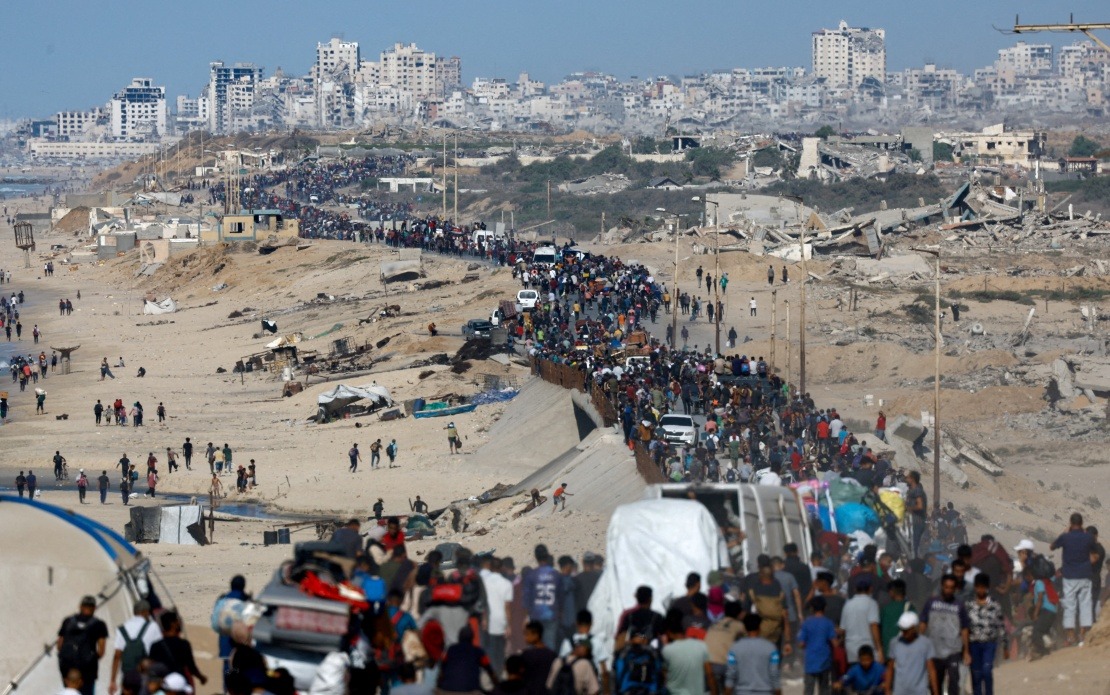
The humanitarian stakes merit particular attention given the scale of destruction across Gaza. According to Palestinian figures, the conflict has claimed more than 73,000 lives and injured over 173,000 individuals, predominantly civilians including women and children. In this context, disrupting established social services systems raises serious concerns about capacity to deliver care during the recovery phase. Whether alternative institutional arrangements could absorb UNRWA's functions remains unclear, and Palestinian authorities doubt that rapidly improvised systems could match decades of institutional experience and geographic coverage.
The dispute also carries implications for how the international community addresses refugee situations more broadly. UNRWA has long served as the primary international mechanism for Palestinian refugee assistance, but similar debates periodically emerge regarding other UN refugee agencies and their mandates. Decisions affecting UNRWA could establish precedents influencing approaches to refugee crises affecting other regions, potentially shaping Malaysian policy positions regarding international humanitarian frameworks.
Palestinian officials have called upon all states, international institutions, and governments to respect UNRWA's mandate, legal privileges, and immunities under established international law. This appeal seeks to mobilise international opinion against what Palestinian authorities frame as attempts to dismantle institutions through external pressure rather than legitimate multilateral processes. The statement's emphasis on legal and procedural legitimacy suggests that Palestinian strategy aims to position opposition to UNRWA's undermining as defence of international law itself.
The controversy arrives amid broader questions about Gaza's reconstruction, governance structures, and international involvement in post-conflict recovery. These discussions will substantially shape the territory's development trajectory over coming years, making the institutional and political decisions made now disproportionately consequential. For Malaysia and other regional nations, monitoring how this dispute resolves will provide important insights into whether international conflict resolution increasingly emphasises rapid institutional reform or continued reliance on established multilateral frameworks during humanitarian crises.

