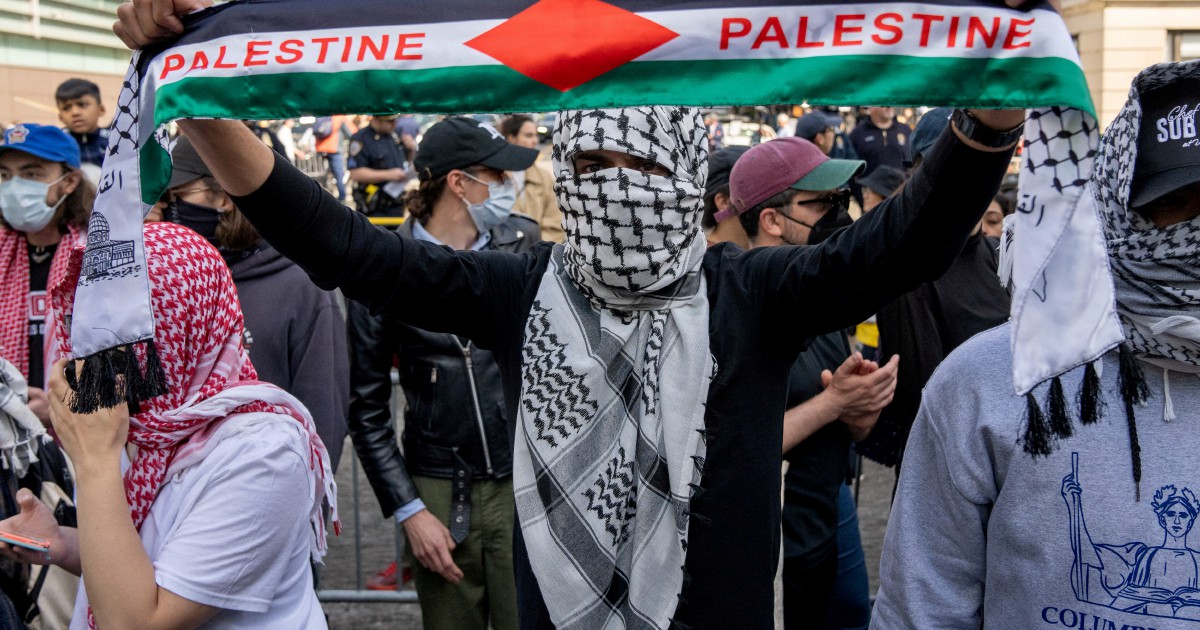
A significant legal challenge has emerged against Columbia University as a coalition of Palestinian students and university staff members have commenced a formal lawsuit alleging sustained discriminatory conduct by the institution. The legal action, filed through New York courts, contests what the plaintiffs characterise as a pattern of unfair treatment directed toward the Palestinian community on campus. The timing of these allegations—stretching back to late 2023—suggests a prolonged period of grievance that eventually culminated in formal litigation.
The decision to pursue legal remedy through the courts represents an escalation in disputes that have increasingly characterised university campuses across North America since the outbreak of renewed Israeli-Palestinian conflict. Columbia University, located in New York and one of the United States' most prestigious institutions, has found itself at the centre of contentious debates surrounding free speech, academic freedom, and students' rights to peaceful protest on campus grounds.
For Malaysian observers, the case underscores how geopolitical tensions have become embedded within educational institutions globally, affecting student experience and institutional policies. Universities throughout Southeast Asia and the broader international academic community watch such proceedings with interest, as they often set precedents for how institutions balance competing interests between different student communities and maintain inclusive environments.
The lawsuit encompasses both current students actively enrolled at the university and former students who have since graduated or left the institution. The inclusion of staff members expands the scope of allegations beyond the student body, suggesting that workplace discrimination claims form part of the broader narrative. This wider cast of plaintiffs strengthens the complaint's scope and implies institutional practices may have affected multiple layers of the university community.
Columbia's prominence in American higher education makes this litigation particularly significant. The university's responses to campus activism and its management of student organisations related to Palestinian advocacy have drawn scrutiny from various constituencies. The institution has attempted to navigate tensions between supporting diverse viewpoints and maintaining campus safety and cohesion, a challenge increasingly familiar to major universities worldwide.
The allegations of discrimination carry substantial weight given Columbia's historical commitment to pluralism and academic freedom. These foundational principles place the institution in a difficult position when confronted with complaints that these values have not been extended uniformly to Palestinian students and staff. The tension between protecting vulnerable communities and respecting open discourse represents a central challenge for modern universities.
From a regional perspective, the Columbia case reflects broader global conversations occurring within higher education sectors. Universities in Malaysia and throughout Asia have their own diverse student populations with varying political perspectives and national affiliations. How international institutions like Columbia address such conflicts provides a template—positive or cautionary—for how regional universities might handle similar tensions.
The lawsuit's emergence in New York courts adds another dimension to an already contentious national conversation. American civil rights law provides specific frameworks for addressing discrimination claims, and the outcome of this case could influence how universities across the country approach similar allegations. The legal standards applied in New York may reverberate through institutional policies far beyond Columbia's campus.
The late 2023 timeframe mentioned in the filing is significant, as this period coincided with heightened tensions and activism on American campuses following major developments in the Middle East conflict. This context helps explain why grievances accumulated and eventually prompted legal action, as frustrations appear to have mounted rather than resolved through existing institutional channels.
The participation of both students and staff in the lawsuit suggests that concerns permeate different organisational levels within the university. When multiple cohorts from various positions within an institution lodge similar complaints, it indicates systemic issues rather than isolated incidents. This pattern strengthens the plaintiffs' case substantially and challenges the university to respond comprehensively rather than dismissively.
Columbia's administration will face difficult questions about how institutional policies have affected Palestinian students' educational experience and staff members' working conditions. The university must demonstrate that any decisions made since late 2023 were based on legitimate institutional objectives rather than animus toward any particular group. The burden of responding to detailed allegations in a formal legal proceeding differs fundamentally from managing campus discourse.
The outcome of this litigation will likely extend beyond Columbia itself. Universities globally, particularly those with significant Palestinian student populations or active Middle East studies programmes, may adjust their approaches to managing campus activism and protecting vulnerable student communities. The case thus assumes importance for educational institutions internationally seeking guidance on these challenging questions.
For Malaysian universities and educational institutions throughout the region, the Columbia litigation serves as a reminder that creating genuinely inclusive environments requires sustained institutional commitment and vigilance. As Malaysian universities continue to welcome international students and foster diverse academic communities, understanding how peer institutions address discrimination allegations offers valuable lessons for developing fair policies and transparent complaint mechanisms.

