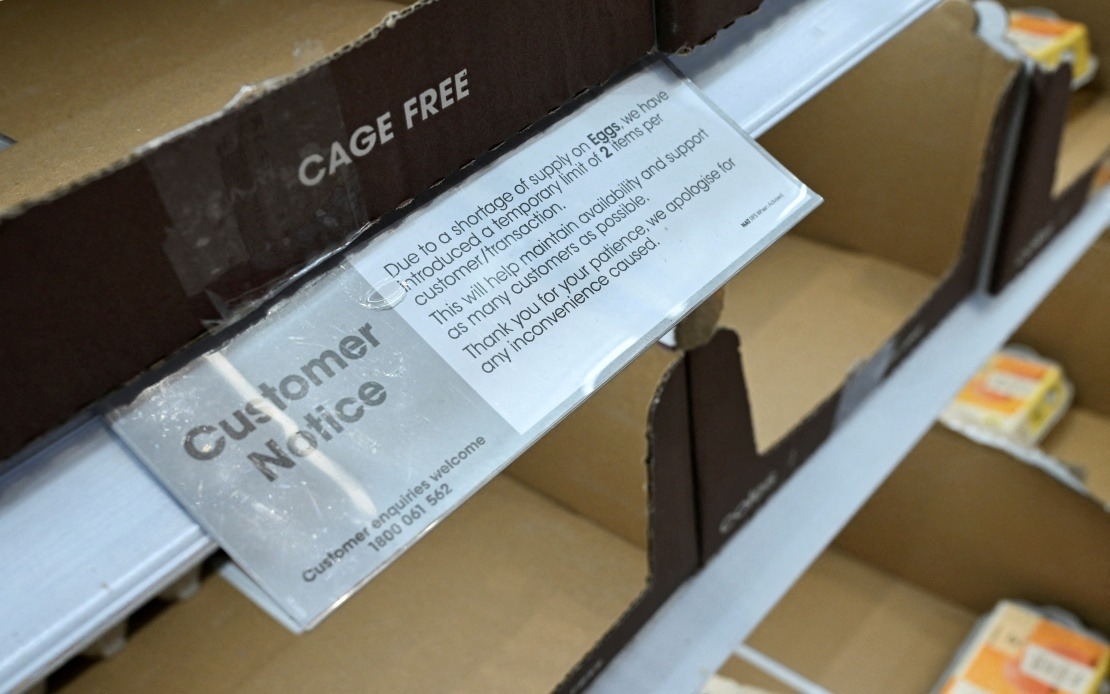
Papua New Guinea has moved swiftly to protect its domestic livestock sector by suspending all imports of Australian poultry meat, poultry products, and eggs, a decision triggered by the discovery of two H5N1 avian influenza cases in Western Australia. The PNG National Agriculture and Quarantine Inspection Authority enacted the trade barrier effective from Monday, as confirmed by Australia's Department of Agriculture, Fisheries and Forestry through an official notice issued on Tuesday. The measure represents a significant disruption to a bilateral agricultural relationship that has generated substantial revenue flows for Australian producers in recent years.
The H5N1 strain detected in Western Australia is classified as highly pathogenic, representing one of the most serious animal health threats in the global poultry industry. Despite the localised nature of the current outbreak, PNG's authorities have adopted a precautionary approach consistent with international animal health protocols, effectively closing its borders to Australian poultry products. This reflects the legitimate biosecurity concerns that regional neighbours must balance against trade interests when faced with contagious disease risks. The suspension underscores how quickly avian influenza can disrupt established supply chains and create trade barriers even among longstanding commercial partners.
Australia's agricultural authorities maintain that the country continues to comply with World Organisation for Animal Health international standards, positioning themselves as meeting the technical requirements for disease-free status in broader commercial contexts. However, the presence of the virus in wildlife and the detection of two cases in poultry operations have created a perception challenge that extends beyond formal compliance metrics. Minister Julie Collins has taken a direct diplomatic approach, personally engaging with PNG counterparts to address concerns and negotiate a pathway toward lifting restrictions. Her Wednesday statement to the Australian Broadcasting Corporation emphasised government commitment to close monitoring of H5 detections in wildlife populations and to furnish trading partners with reassurance backed by robust surveillance data.
The economic implications for Australia's poultry sector are substantial. In the 2023-24 financial year, Australian chicken meat exports reached a record A$133 million globally, with PNG accounting for nearly half that total at A$60 million. This concentration of export revenue in a single regional market illustrates both the opportunities and vulnerabilities embedded in agricultural trade relationships. The sudden loss of access to the PNG market represents not merely a temporary revenue disruption but also a barometer of broader regional confidence in Australian poultry safety standards. Other trading partners across Southeast Asia and the Pacific may observe PNG's caution and implement similar measures, creating a cascading effect on Australian export prospects.
Inham's, the nation's largest poultry producer and a major supplier to the PNG market, responded decisively by implementing a complete lockdown of its Western Australian operations. This facility-wide quarantine represents a significant operational and financial burden but demonstrates the industry's understanding that swift preventive measures can help contain outbreaks and preserve market access. Large-scale operations such as Inham's possess both the resources and market incentives to exceed minimum biosecurity requirements during periods of heightened disease risk. The company's action signals to international buyers that Australian producers are taking the threat seriously and implementing measures beyond standard regulatory compliance.
The bird flu situation in Western Australia has broader implications for Southeast Asian food security and trade dynamics. As one of the region's primary poultry suppliers, Australia's ability to maintain disease-free status is essential to regional food supply stability. PNG's position as a developing island economy makes it particularly vulnerable to poultry disease incursions, given limited domestic production capacity and geographic isolation that can complicate rapid disease response. The trade suspension, while economically painful for Australian exporters, reflects PNG's rational determination to preserve its own agricultural health and protect rural communities dependent on local livestock production.
The diplomatic engagement underway between Canberra and Port Moresby will likely involve technical discussions centred on specific geographic containment of the outbreak, enhanced biosecurity documentation, and potentially targeted testing protocols that could allow selective exports to resume. Australia's government possesses substantial credibility in animal health matters regionally, accumulated through decades of cooperative disease surveillance and management frameworks. However, rebuilding confidence after a pathogenic strain detection requires tangible evidence of control, not merely assertions of technical compliance with international standards. The speed with which PNG's quarantine authorities moved to implement restrictions demonstrates their commitment to safeguarding public health and domestic agriculture, setting a precedent that other trading partners may follow.
For Malaysian readers and Southeast Asian observers, this episode illustrates the fragility of regional agricultural trade networks in an era of emerging infectious diseases. The H5N1 strain remains a persistent concern across Asia, with sporadic detections in multiple countries over recent years. PNG's response underscores how quickly trade relationships can be disrupted when disease thresholds are crossed, even among partners with established cooperation frameworks. The incident also highlights the importance of maintaining robust surveillance systems, transparent communication with trading partners, and rapid response protocols that can contain outbreaks before they become systemic threats to regional food security.
Australia's challenge now extends beyond managing the Western Australian outbreak to restoring confidence among trading partners that the situation remains contained and under control. The diplomatic intensity of Minister Collins' engagement reflects the seriousness of the situation and the recognition that lost market access, if prolonged, could reshape regional trade patterns to favour other poultry suppliers. For PNG, maintaining the suspension until clear evidence emerges of outbreak containment protects local interests while establishing its credentials as a vigilant biosecurity guardian. The resolution of this trade dispute will likely set benchmarks for how similar avian influenza detections are managed in bilateral trade relationships across the Asia-Pacific region in the years ahead.

