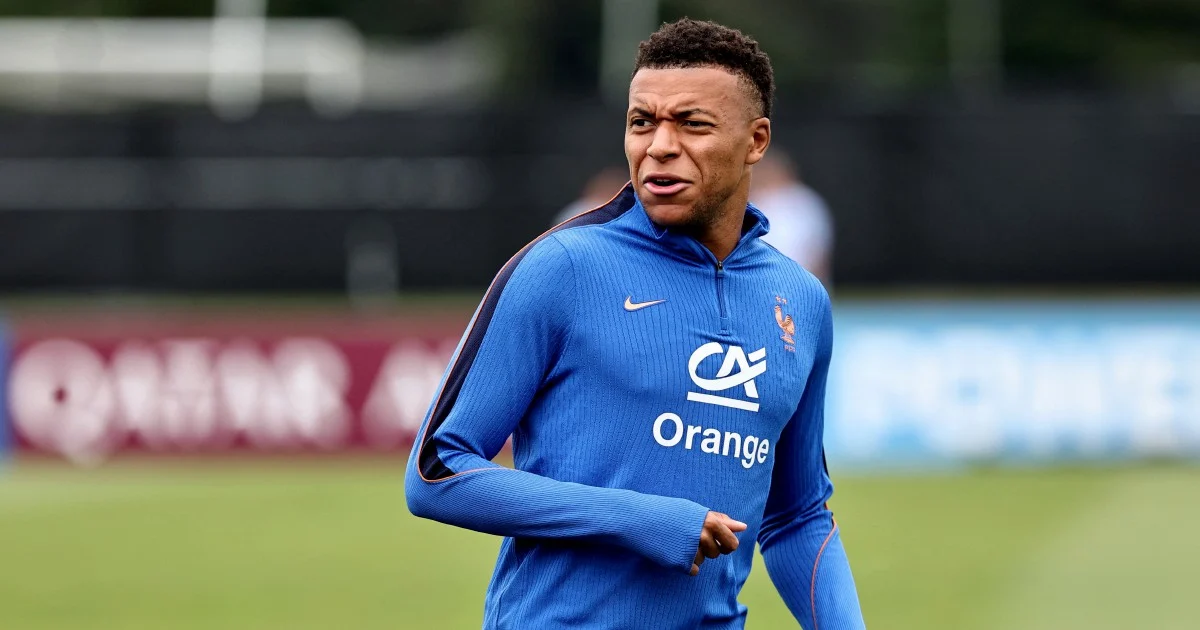
French authorities have formally opened an investigation into remarks made by a Paraguayan politician about Kylian Mbappé, France's football captain, according to Paris prosecutors. The decision by the office of the public prosecutor signals that the statements in question have crossed a threshold requiring official examination under French law, though specific details about the nature of the comments remain undisclosed at this stage.
The involvement of Paraguay's legislative body in what appears to be a diplomatic matter underscores the far-reaching influence of professional football and its leading figures across international boundaries. Mbappé, who captains the French national team and serves as one of global sport's most prominent personalities, carries a level of public prominence that extends well beyond the football pitch. His status as a cultural ambassador and symbol of French sporting excellence means that commentary about him often transcends mere sports discussion and enters the realm of public concern.
Mbappé's position as France's national team captain places him at the intersection of sport and national identity, a space where remarks about him can take on political significance. The French prosecutor's decision to investigate suggests that the statements crossed boundaries that French legal frameworks seek to protect, whether related to defamation, racial insults, or other prohibited speech categories. In France, where laws against hate speech and defamation carry meaningful penalties, the threshold for prosecution is serious enough to warrant official scrutiny.
The incident highlights the complex relationship between sports figures and political discourse in the modern era. When athletes achieve Mbappé's level of prominence, they become subjects of commentary not only by sports journalists and fans but also by politicians and public figures seeking to make broader points. This blurs the traditional separation between athletic achievement and political statement, creating situations where remarks ostensibly about a player can become diplomatic concerns.
Paraguay's unexpected involvement in this matter reflects the globalized nature of contemporary football and its influence on international relations. The country has produced significant football talent historically, yet its legislative representatives' comments about a French player suggest broader geopolitical or social dynamics at play. Paraguay occupies a distinct position in South American politics and regularly engages with international bodies, though the specific motivations behind the lawmaker's remarks remain unclear without fuller context.
The investigation's opening demonstrates that French judicial authorities take such matters seriously when they believe public commentary violates legal standards. France has long maintained robust legal protections for individuals against defamatory statements and hate speech, and the extension of these protections to public figures like Mbappé reflects the principle that even prominent persons deserve legal recourse. The precedent set by investigating an international politician's remarks may influence how future statements about French public figures are treated.
From a Southeast Asian perspective, this development carries implications for understanding how international legal standards intersect with political discourse. Malaysia and other regional nations increasingly engage with international sports figures and diplomatic protocols, and this situation illustrates how statements made by elected representatives can trigger formal legal processes in other jurisdictions. It raises questions about the boundaries of permissible political speech in an interconnected world where comments broadcast internationally may invite scrutiny from multiple legal systems.
Mbappé's significance extends beyond his sporting prowess. As a young Black French captain who has become the public face of French football, he represents both the diversity and the aspirations of contemporary France. This contextual layer suggests that remarks about him might carry additional weight if they intersect with issues of race, identity, or national belonging—factors that could explain why prosecutors deemed investigation necessary.
The investigation's progression will likely remain closely monitored by legal observers, sports administrators, and diplomatic channels. Whether the Paraguayan lawmaker faces consequences will depend on the findings and applicable law, but the mere opening of the inquiry establishes that international figures cannot assume immunity from legal scrutiny in other nations when their statements are sufficiently controversial. This sets precedent in an era where social media and international communication have eliminated geographical barriers to audience and consequence.
The intersection of football, politics, and law demonstrated by this case reflects broader shifts in how sports have become embedded in national identity and international relations. For Malaysian observers and officials, the situation underscores the need to understand that statements about prominent international athletes can carry legal and diplomatic ramifications. As football continues to grow in popularity and commercial significance across Southeast Asia, similar situations may emerge, requiring careful attention to both the protective legal frameworks different nations maintain and the cultural sensitivities surrounding beloved sports figures.

