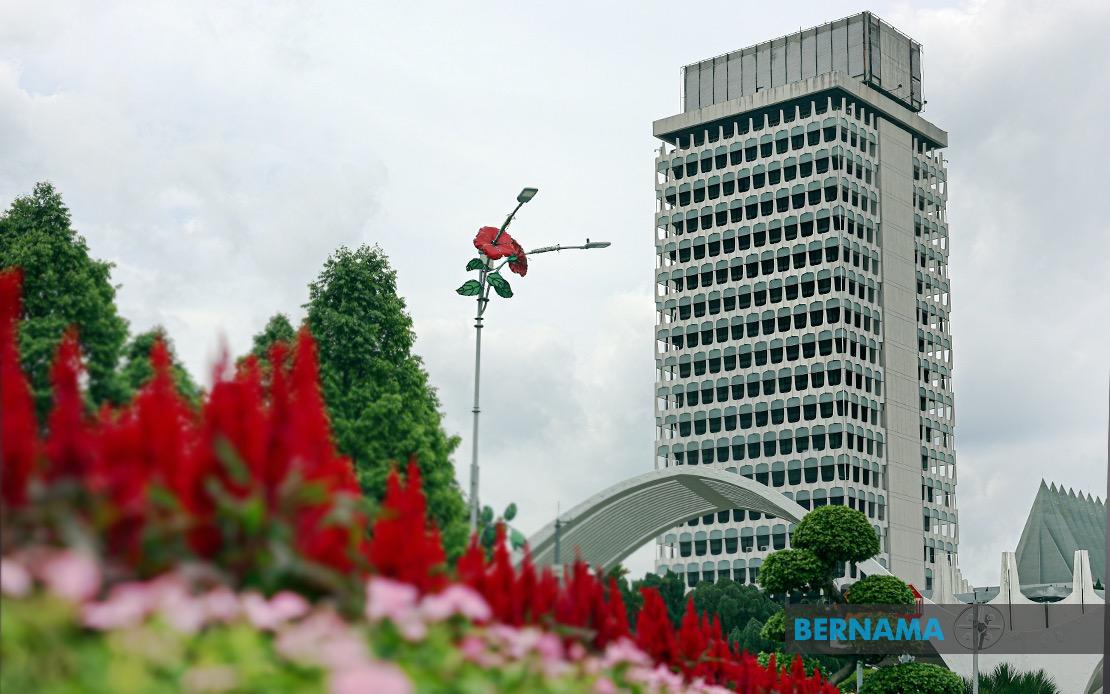
The Dewan Rakyat is set to scrutinise critical challenges facing Malaysia as lawmakers address the looming threat of El Niño conditions, fallout from a training accident involving military personnel, and broader questions about governance and public health management. The parliamentary session on July 16 represents an opportunity for legislators to extract accountability from the government on matters directly affecting agricultural productivity, national defence operations and citizen welfare.
El Niño preparedness emerges as a primary concern as the anticipated weather phenomenon threatens to disrupt Malaysia's agricultural systems and food production chains. Bakti Jamaluddin from Tangga Batu has tabled questions for the Agriculture and Food Security Minister regarding the comprehensive measures being implemented to mitigate the impact on the sector. The inquiry goes beyond surface-level planning, delving into specific operational challenges including the management of irrigation water resources, paddy and crop yields, and livestock sustainability during periods of moisture stress. With Malaysia's position as both a food producer and importer, the vulnerability created by prolonged dry conditions during El Niño cycles carries ramifications for domestic food availability and consumer prices—issues that resonate directly with Malaysian households struggling with cost-of-living pressures.
The inquiry underscores how environmental phenomena translate into economic concerns. El Niño's historical patterns of reduced rainfall across Southeast Asia have previously caused significant agricultural shortfalls, driving import dependency and inflationary pressures on essential commodities. Malaysia's capacity to buffer such disruptions through strategic food reserves and diversified sourcing remains pertinent as the government navigates supply chain vulnerabilities exposed during the pandemic era.
Parallel to environmental concerns, the parliament will address a serious security incident involving the Malaysian Armed Forces. Datuk Mohd Isam Mohd Isa from Tampin has raised questions about a hand grenade explosion that occurred during a routine training exercise, seeking clarity on the incident's causation and the Defence Ministry's response protocols. Beyond the immediate investigation, the questioning targets systemic gaps in training safety standards, specifically examining whether existing standard operating procedures adequately protect personnel from accidental harm. Military training inevitably involves risk, yet catastrophic incidents suggest potential lapses in equipment maintenance, personnel training protocols, or supervisory oversight that warrant transparent examination.
The Defence Ministry's obligation to strengthen safety mechanisms carries implications for military personnel welfare and institutional credibility. Training accidents, particularly those involving explosive devices, erode confidence in institutional safeguards and demand rigorous corrective action. The inquiry reflects parliamentary responsibility to oversee defence operations and ensure that taxpayer investment in military capability is not undermined by preventable accidents that compromise personnel safety.
Governance and administrative reform in Kuala Lumpur will occupy parliament's attention through questions posed by Tan Kok Wai from Cheras regarding the Federal Capital's administrative restructuring. Following a feasibility study of the Federal Capital Act 1960, the questioning targets prospective reforms affecting governance frameworks, administrative efficiency, integrity mechanisms and service delivery standards for Malaysia's premier administrative centre. The implications extend beyond Kuala Lumpur's operations to influence how federal capital administration models influence other urban governance structures across the nation.
Religious and social cohesion represents another focal point as Sabri Aziz from Jerai raises questions about government interventions to address the spread of what are characterised as deviant teachings. The inquiry emphasises preventive and rehabilitative measures designed to strengthen Islamic faith understanding among those who have adopted non-mainstream interpretations. This line of questioning reflects ongoing governmental concerns about maintaining religious orthodoxy and social stability through faith-based intervention programmes.
Public health trajectories command attention when Datuk Dr Richard Rapu from Betong tables questions to the Health Minister regarding non-communicable disease statistics spanning 2024 to 2026. The focus on disease prevalence among populations under 30 years reflects an emerging public health crisis where chronic conditions traditionally associated with older demographics increasingly affect younger Malaysians. The specific attention to diabetes and hypertension among this demographic cohort signals concern about lifestyle factors and metabolic disease trajectories that, if unchecked, will compound healthcare burdens across subsequent decades.
The War on Sugar campaign and sugar tax enforcement mechanisms constitute essential elements of the health inquiry, testing whether fiscal policy instruments and public health communications genuinely translate into reduced obesity rates. The effectiveness assessment matters not merely as a measurement of campaign success but as validation that government intervention in consumer behaviour actually produces desired health outcomes. These questions implicitly challenge the government to demonstrate that its public health strategy extends beyond announcement and rhetoric into demonstrable improvements in population health indicators.
Parliament will also receive the tabling of the National Trust Fund Bill 2026 for its second reading, representing substantive legislative progress on financial policy. This development occurs as the Second Meeting of the Fifth Session of the 15th Parliament concludes its scheduled 16-day sitting, marking the conclusion of this parliamentary term's activities. The convergence of multiple policy domains—environmental adaptation, defence accountability, urban governance, religious affairs, public health and financial legislation—reflects the complex policy landscape that contemporary Malaysian governance navigates.

