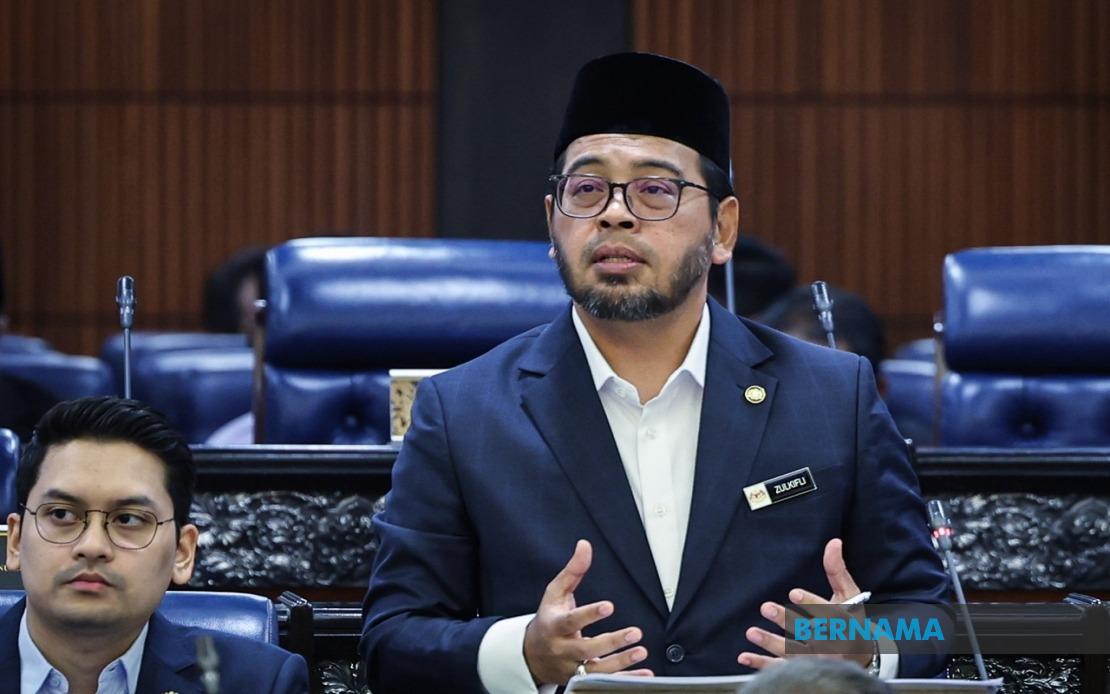
Parliament devoted more than ten hours to an intensive examination of the Royal Commission of Inquiry findings into Lembaga Tabung Haji on August 11, with legislators across the chamber united in demanding sweeping institutional reforms and decisive action against those culpable for the pilgrimage fund's deterioration. The special Dewan Rakyat sitting underscored deep parliamentary concern about weaknesses that have undermined confidence among the institution's 10 million depositors, who entrust their savings to TH for one of Islam's most sacred obligations.
The debate centred on three interconnected imperatives: preventing a repetition of the governance failures documented by the RCI, ensuring full accountability for those who presided over massive financial losses, and restoring depositor trust through demonstrable systemic change rather than rhetoric alone. Thirty-nine MPs participated in the proceedings, which commenced at 10 am, reflecting the seriousness with which the legislature regards an institution managing retirement savings for millions of Malaysians preparing for their haj journey. The intensity and duration of the debate signalled that Parliament would not tolerate perfunctory responses or delayed implementation of remedial measures.
Financial Minister II Datuk Seri Amir Hamzah Azizan presented stark figures that contextualise the scale of TH's predicament. Nearly RM13 billion in losses stemmed from fourteen problematic investments, seven of which suffered total write-downs. Of this staggering sum, the government injected RM10.2 billion through a 2018 rescue mechanism involving Urusharta Jamaah Sdn Bhd, while TH itself absorbed a further RM2.6 billion in impairment charges between 2018 and 2025 for investments remaining under its stewardship. One particularly egregious case involved Al-Rawda Real Estates, to which TH paid approximately RM1.5 billion in intermediary fees to secure hotel leases in Madinah and Makkah for pilgrims, only to have the operator default on rental obligations, forcing a RM1 billion full impairment write-off in 2024.
These losses carry profound implications for Malaysian pensioners and working Muslims who have contributed decades of savings. The financial bleeding represents not merely numbers on a balance sheet but compromised retirement security and delayed or cancelled haj pilgrimages for countless families. The breach of fiduciary duty embedded in these transactions has understandably generated demands for criminal prosecution and asset recovery, extending beyond administrative discipline to courts capable of imposing custodial sentences. Parliamentarians emphasised that investigations initiated by authorities had already resulted in detention of individuals allegedly involved in bribery, power abuse, and governance violations, signalling that the response would encompass the criminal justice system.
Minister in the Prime Minister's Department (Religious Affairs) Dr Zulkifli Hasan articulated the government's reform narrative, emphasising that recovery efforts since 2018 have stabilised TH's financial trajectory, fortified governance structures, and improved investment vetting. The government maintained the haj cost at RM33,300 across three consecutive seasons from 2024 to 2026, demonstrating commitment to preserving access for ordinary Muslims despite the institution's travails. Yet Zulkifli's framing of institutional strength as deriving from systems rather than individuals implicitly acknowledged that TH's past failures reflected personalised mismanagement rather than structural flaws alone—a distinction with profound implications for reform architecture.
The legislative focus on amending the Tabung Haji Act 1995 reflects recognition that legal frameworks governing the institution require modernisation to prevent recurrence of past vulnerabilities. Current legislation apparently permitted investment decisions and risk management practices that exposed depositors to unacceptable hazard. Strengthening investment oversight mechanisms emerged as particularly critical, as the RCI findings documented instances where TH committed vast sums to projects with inadequate due diligence, weak monitoring of deployed capital, and minimal recovery mechanisms when counterparties defaulted. The government welcomed a proposal to establish a multi-agency task force to identify and investigate investments carrying elevated loss risk, suggesting recognition that TH alone lacks the expertise and independence required for robust investment surveillance.
The RCI report itself, released publicly on July 29 after deliberate government delay intended to afford TH implementation time, identified twenty-five recommendations for improvement. By July 30, TH had operationalised seventy-five per cent of these suggestions, indicating serious commitment to remediation. However, the remaining twenty-five per cent underscores that complete institutional overhaul remains unfinished business requiring parliamentary monitoring and executive discipline. The deliberate delay in public release—which occasioned some political controversy—reflected calculation that TH required space to absorb recommendations and demonstrate recovery trajectory before public scrutiny intensified, though parliamentarians were united in demanding that the inquiry findings trigger exhaustive transparent investigations rather than bureaucratic box-ticking.
The absence of several opposition MPs from the debate attracted parliamentary criticism, with government members contending that boycotting the sitting represented dereliction of legislative responsibility and abandonment of millions of depositors whose interests demand vigorous cross-party scrutiny. The 10 million TH contributors span the political spectrum, rendering this fundamentally a non-partisan matter transcending partisan divisions. From a Malaysian governance perspective, the debate demonstrated that Parliament retains capacity to function as effective institutional scrutineer when issues engage popular welfare and fiduciary obligation. The extended sitting format—unusual in Malaysian parliamentary practice—reflected the gravity legislators attached to restoring depositor confidence and preventing future institutional capture.
Dr Zulkifli's concluding remarks emphasised that institutional durability depends upon entrenching clear systems, processes, checks and balances that persist beyond individual officeholders. This formulation directly addresses TH's historical vulnerability to personalised power, suggesting reform will privilege institutional governance design over charismatic leadership. The government's emphasis on investigation, enforcement, asset recovery, and legal strengthening signals multifaceted response extending beyond administrative restructuring to criminal accountability and statutory modification. Yet implementation will test whether political resolve matches parliamentary rhetoric, particularly as asset recovery collides with complex cross-border commercial arrangements and litigation proves protracted and uncertain.
For Southeast Asian observers, the TH case exemplifies vulnerabilities affecting Islamic financial institutions across the region. Many pilgrimage funds, waqf boards, and Shariah-compliant investment vehicles operate with governance frameworks established decades earlier, before contemporary risk management standards became embedded in institutional practice. The Malaysian Parliament's forthright acknowledgment of institutional failure, demand for criminal accountability, and commitment to structural reform may offer instructive contrast to jurisdictions where similar breaches receive political protection or bureaucratic obscuration. The debate underscores that restoring public confidence in religious financial institutions requires not merely cosmetic governance modifications but demonstrable prosecution, asset restitution, and legal reform that privileges depositor interests above institutional prestige or political convenience.

