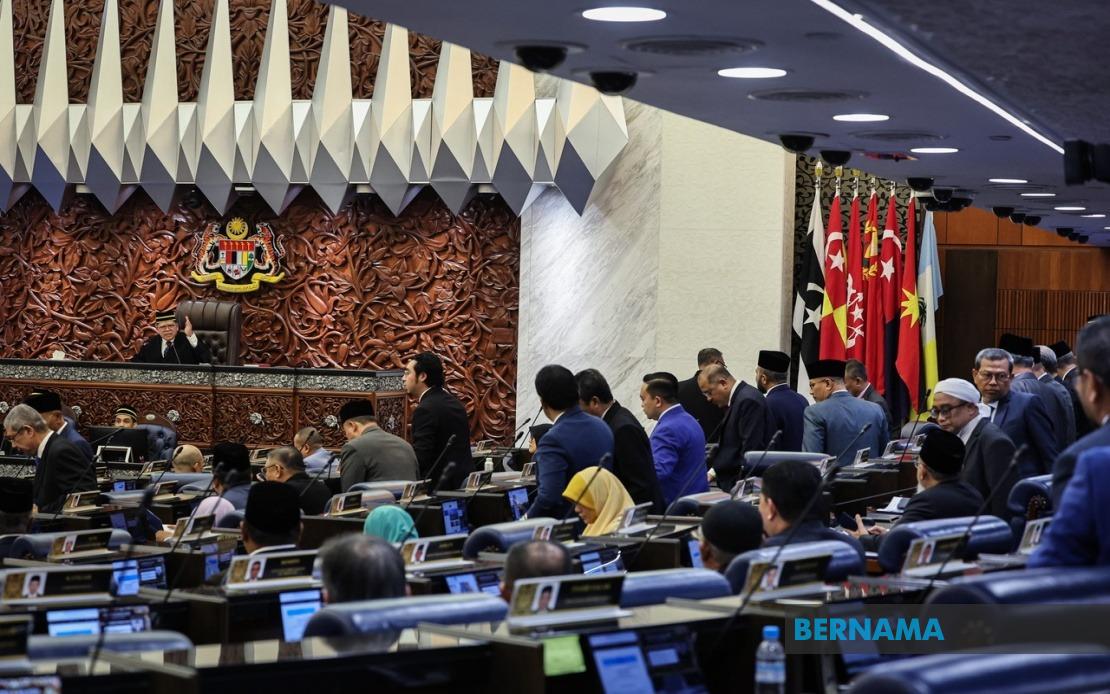
Parliament's top official threw open the doors for comprehensive examination of the Lembaga Tabung Haji inquiry findings on August 11, signalling the legislature's commitment to scrutinising one of the nation's most significant financial institutions. Speaker Tan Sri Johari Abdul confirmed that the special Dewan Rakyat sitting provided all lawmakers with an opportunity to air their views on the Royal Commission of Inquiry report, reinforcing parliament's role as a forum for public accountability and transparent governance.
The session proceeded under Standing Order 11(3) of the Dewan Rakyat's procedural rules, invoked at the request of Prime Minister Datuk Seri Anwar Ibrahim. This legal framework allows for extraordinary sittings when circumstances warrant discussion of matters of significant national concern. Johari's decision to facilitate the sitting underscored the gravity with which the RCI's findings were being treated, suggesting the inquiry had uncovered issues requiring immediate parliamentary attention and deliberation.
Tabung Haji, the pilgrimage savings fund serving as a key financial institution for Malaysian Muslims, has long occupied a sensitive position in the nation's economic and social landscape. The establishment of an RCI to investigate its operations implied serious concerns about management, governance structures, or fund performance. By granting extensive parliamentary debate, authorities acknowledged the need for public confidence in an institution entrusted with savings belonging to millions of Malaysians preparing for their hajj journeys.
Johari's emphasis on allowing MPs from "both sides" to participate carried particular significance in Malaysia's current political context. With the Dewan Rakyat comprising government and opposition benches, ensuring space for diverse perspectives reflected a commitment to cross-party scrutiny rather than one-sided examination. This approach contrasts with accusations sometimes levelled at the legislature for being overly deferential to executive decisions, instead positioning parliament as an independent check on institutional performance.
The Speaker's compliance with the Prime Minister's request demonstrated how procedural mechanisms can serve broader governance objectives. Rather than viewing Standing Order 11(3) as an extraordinary measure reserved for emergencies, the government deployed it to facilitate public interrogation of institutional findings. This represented a deliberate choice to subject potentially controversial or sensitive matters to legislative debate rather than managing them through executive channels alone.
For Tabung Haji contributors and the broader Muslim community, the parliamentary spotlight reflected recognition that inquiries and reports gain legitimacy through public examination. Allowing lawmakers to debate and question the RCI's conclusions transformed the inquiry from an administrative exercise into a transparent process where findings faced scrutiny and explanation before the nation's elected representatives.
The timing and scope of the special sitting also carried implications for governance reform more broadly. If parliamentary debate on institutional inquiries became standard practice, it would strengthen the principle that public institutions ultimately answer to elected representatives and, through them, to the Malaysian public. This model moves beyond isolated investigation followed by confidential decision-making towards a more inclusive process where findings are tested in debate.
Background context suggests that concerns about Tabung Haji's operations had accumulated over time, prompting the Prime Minister to formally request the special sitting. The institution manages contributions from contributors across Malaysia and abroad, making its governance a matter of direct concern to millions of families. The RCI's investigation presumably addressed whether management had met fiduciary standards, whether investment strategies matched institutional objectives, and whether operational practices reflected Islamic principles of integrity and transparency.
The Speaker's intervention to enable broad debate also reflected evolving standards for institutional accountability in Malaysia's public sector. Rather than limiting discussion to technical committees or specialist bodies, bringing matters before the full parliament democratised the process, allowing elected representatives across constituencies to engage with findings affecting their constituents' interests and savings.
Looking forward, this approach to handling institutional inquiries may establish a precedent for how parliament treats investigations into other significant financial entities and public bodies. Should the model prove effective in building public confidence and accountability, it could influence parliamentary practice when future RCIs or major audits complete their work, gradually embedding greater legislative scrutiny into the fabric of institutional governance in Malaysia.

