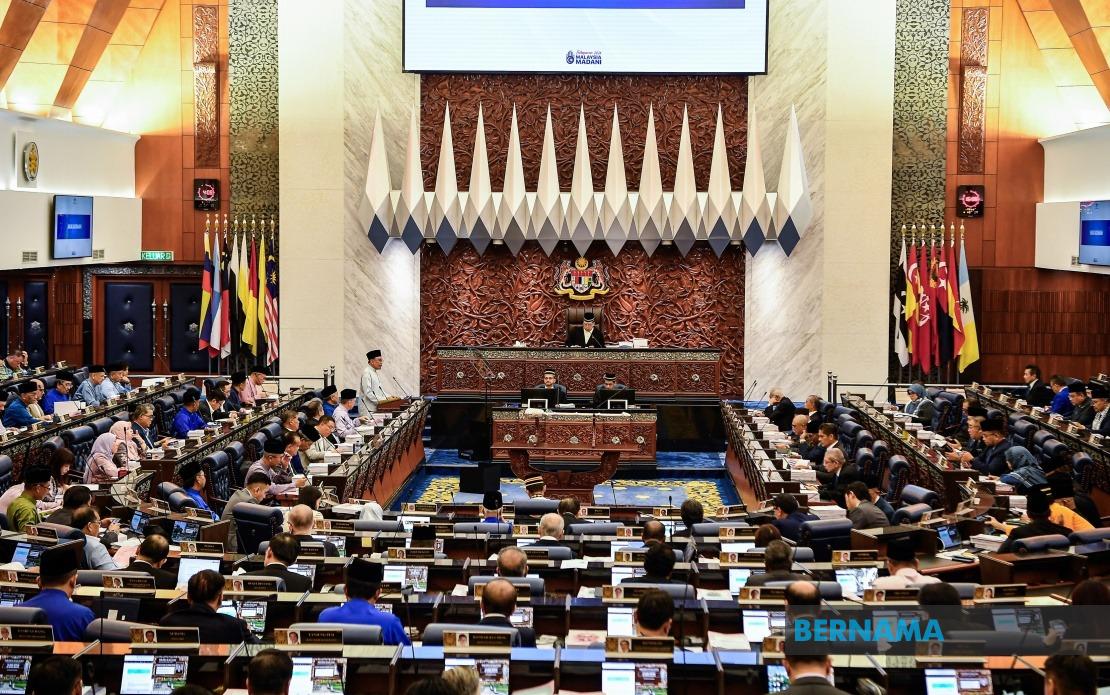
Malaysia has taken a significant legislative step in addressing digital crime by passing the Cybercrimes Bill 2026 through the Dewan Rakyat on July 1. The comprehensive measure, comprising 61 clauses, secured approval after a broad-based parliamentary discussion involving 48 lawmakers from both government and opposition benches. The passage marks a critical advancement in the nation's efforts to combat evolving threats in the digital realm, particularly those involving artificial intelligence and image manipulation technologies.
At the heart of the new legislation lie provisions targeting deepfakes and the creation of digitally altered intimate images through advanced computational methods. These offences represent a growing concern across Southeast Asia, where sophisticated editing tools have enabled bad actors to fabricate compromising visual content for purposes ranging from harassment to extortion. The Bill addresses a regulatory vacuum that has left many victims without adequate legal recourse, particularly women and young people who represent the majority of targets for such abuse.
Deputy Prime Minister Datuk Seri Dr Ahmad Zahid Hamidi emphasised during the legislative wind-up that the Bill operates within strict constitutional boundaries. The government's position underscores concerns raised by civil society and digital rights advocates regarding potential surveillance overreach. Rather than granting unrestricted authority to law enforcement, the legislation incorporates multiple layers of procedural requirement and judicial oversight to ensure investigative powers remain proportionate and subject to scrutiny.
A critical protection mechanism embedded in the Bill concerns the preservation of computer data during investigations. According to the Deputy Prime Minister, authorities cannot arbitrarily demand data preservation. Instead, investigating officers must first establish reasonable grounds that specific digital information is genuinely necessary for their inquiry and that immediate intervention is required to prevent deletion, alteration, or destruction. This threshold requirement prevents fishing expeditions and speculative data collection that might otherwise compromise privacy expectations.
When authorities seek to access stored information, the legislation mandates written notification to the data owner or controller. This transparency requirement represents a departure from hidden surveillance practices and allows individuals to understand what information is being requested and on what legal basis. The system reflects international best practices seen in developed democracies, balancing law enforcement needs against citizens' privacy entitlements. The government was deliberate in stressing that these disclosure procedures must align with the conditions of lawful investigation rather than operating independently of proper legal authority.
The Bill's relationship with existing legislation, particularly the Official Secrets Act 1972, clarifies that the new cybercrimes framework does not supersede or undermine established legal regimes. Rather, it functions as a complementary instrument addressing specifically digital-age criminal conduct. This hierarchical approach prevents unintended conflicts between statutes and maintains the integrity of Malaysia's broader legal architecture. For observers concerned about regulatory creep, this positioning offers some reassurance that the government has exercised legislative restraint.
The passage of the Bill occurs within a regional and global context where digital crimes have become increasingly sophisticated and damaging. Southeast Asian nations have grappled with similar challenges, and Malaysia's approach will likely influence policy discussions in neighbouring countries. The focus on deepfakes and non-consensual intimate imagery reflects an emerging consensus that artificial intelligence-generated content requires dedicated legal attention distinct from traditional defamation or obscenity offences.
The 61-clause structure suggests comprehensive coverage beyond the headline deepfake provisions. Likely inclusions address related offences such as unauthorised computer access, data theft, online fraud, and identity theft. This breadth indicates Parliament has attempted to create a cohesive framework rather than piecemeal amendments scattered across multiple statutes. Such consolidation improves clarity for law enforcement agencies and the public alike, facilitating consistent application and reducing interpretive ambiguity.
The decision to conduct debate among 48 parliamentarians from across the political spectrum demonstrates that cybercrime legislation has achieved some measure of cross-party consensus. In Malaysia's polarised political environment, such agreement on security matters is noteworthy. The broad participation suggests the Bill underwent genuine scrutiny rather than perfunctory rubber-stamping, though observers will likely continue monitoring implementation to assess whether the safeguards described during debate are rigorously applied in practice.
For Malaysian businesses and digital service providers, the Bill's passage creates both obligations and opportunities. Companies handling user data will need to understand their notification responsibilities and the criteria authorities must meet before demanding access. Digital platforms, in particular, may face increased responsibility for identifying and reporting suspected deepfake content. Meanwhile, technology companies specialising in content moderation, forensic analysis, and authentication tools may find growing demand for their services as enforcement agencies build capacity.
The legislation's effectiveness will ultimately depend on how thoroughly enforcement agencies are trained in applying its provisions and how reliably the prescribed safeguards are enforced. Malaysian civil society organisations have indicated they will monitor implementation closely, particularly regarding whether the transparency and proportionality requirements prove meaningful or become hollow formalities. International digital rights groups have shown similar interest in Malaysia's approach as a potential model for other jurisdictions.
Looking forward, the Bill represents Malaysia's commitment to establishing clearer legal boundaries around digital conduct while attempting to maintain proportionate oversight mechanisms. As technology continues evolving, particularly in artificial intelligence and biometric falsification, the legislation will require periodic review and amendment. The framework established now should provide flexibility for such adaptation without requiring complete legislative overhauls each time new threats emerge.

