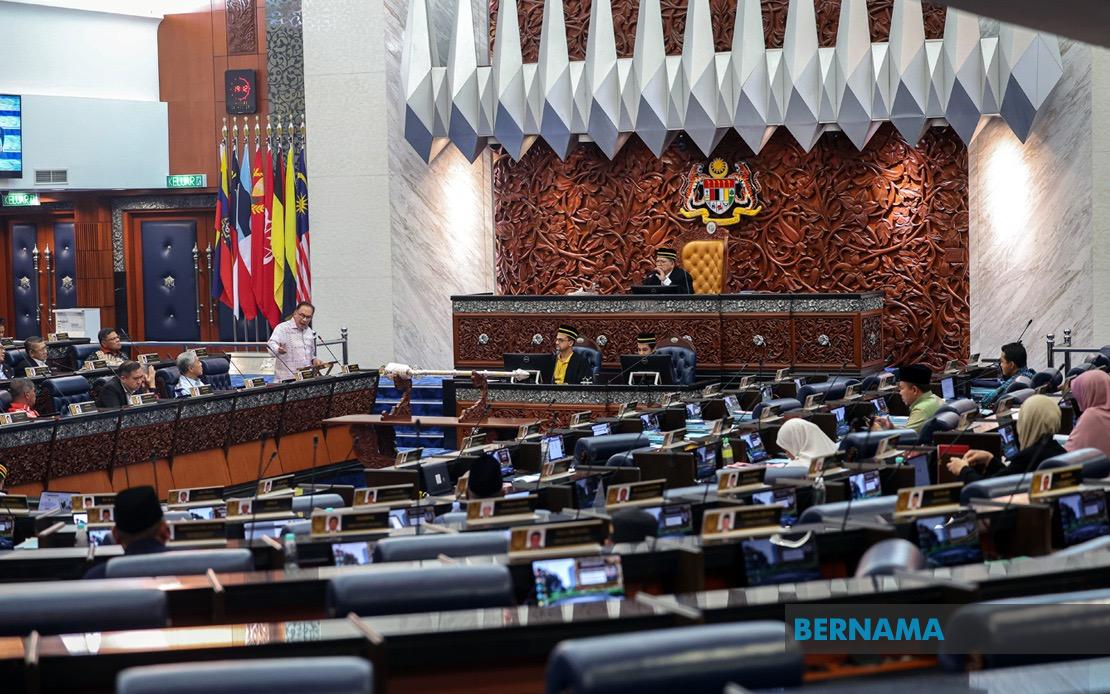
Parliament has intensified its push to fortify Malaysia's defences against child sexual exploitation, with lawmakers from government and opposition benches converging on the need for fundamental reforms during debate on the Sexual Offences Against Children (Amendment) Bill 2026. The parliamentary session revealed widespread recognition that existing legal frameworks contain critical gaps that allow predators—particularly those operating across borders—to evade accountability and that the nation's support infrastructure for survivors remains dangerously inadequate.
The amendment to the Sexual Offences Against Children Act 2017 addresses a pressing vulnerability in Malaysia's jurisdictional reach. Currently, the law constrains enforcement when offences occur beyond Malaysian territory, creating what lawmakers described as a dangerous loophole. The revised legislation seeks to ensure that perpetrators cannot exploit geographic borders as sanctuaries, particularly in a region where digital connectivity facilitates transnational child abuse networks. This jurisdictional expansion mirrors international best practices and reflects growing recognition that child sexual exploitation has become increasingly borderless in character.
Cross-border cooperation emerged as a recurring theme throughout the parliamentary discourse. Abd Ghani Ahmad from Jerlun emphasized that Malaysia must leverage the Mutual Legal Assistance mechanism and extradition frameworks to pursue perpetrators who operate internationally. He stressed that coordination failures between agencies—Royal Malaysia Police, Immigration, the Attorney-General's Chambers, social welfare authorities, hospitals, and schools—undermine investigations and digital evidence preservation. Without seamless institutional cooperation, he cautioned, sophisticated offenders can navigate jurisdictional gaps and procedural delays to avoid prosecution.
Datuk Seri Doris Sophia Brodi proposed establishing a specialized task force dedicated exclusively to digital sexual crimes against children, recognizing that online grooming and exploitation represent an accelerating threat that demands concentrated expertise and rapid response capability. Her proposal reflects the reality that child sexual abuse material and grooming operations now predominantly occur through digital platforms, requiring investigators with technical proficiency and understanding of emerging technologies. She further advocated for intensive digital literacy programmes in schools, positioning parental awareness and child education as frontline defences against predatory recruitment tactics.
The question of victim support revealed stark systemic deficiencies. Datuk Mas Ermieyati Samsudin articulated that prosecution and punishment alone are insufficient without parallel investments in survivor recovery. She recommended establishing a specialized prosecution unit, expanding access to child psychology experts within public facilities, and creating dedicated funding mechanisms for psychological treatment, legal representation, and long-term rehabilitation. Her intervention highlights that survivors often face financial barriers preventing access to therapeutic services essential for healing and reintegration.
A national child sexual offender registry emerged as another focal proposal, with Young Syefura Othman advocating for a controlled-access database that law enforcement and child-serving institutions—schools, daycare centres, welfare homes, religious institutions—could consult during hiring and volunteer vetting processes. She stressed that convicted offenders should face systematic barriers to employment in positions providing access to children. This registry concept addresses the reality that some perpetrators deliberately position themselves in roles of trust, exploiting institutional access to identify and groom vulnerable targets.
The parliamentary debate also highlighted the necessity of comprehensive background screening regimes. Young Syefura's proposal extends beyond schools to encompass tahfiz centres, religious institutions, sports clubs, and any organization involving children. This expansive approach reflects recognition that predators operate across all institutional contexts and that fragmented screening practices create multiple pathways for known offenders to re-enter child-accessible environments. Malaysia currently lacks standardized, mandatory background checks across all child-serving sectors, leaving inconsistent vulnerabilities.
Regional implications of Malaysia's legislative evolution merit consideration. As a Southeast Asian economic hub attracting significant expatriate and tourist populations, Malaysia has historically faced challenges related to child exploitation tourism and transient offenders. Strengthened legislation and international cooperation mechanisms could position the country as a regional leader in child protection standards, potentially encouraging neighbouring jurisdictions to elevate their own safeguards. Conversely, weak enforcement in regional partners creates spillover risks for Malaysian children through trafficking networks and online exploitation rings.
The bipartisan support evident during parliamentary debate suggests political consensus on child protection priorities, unusual in Malaysia's often fractious legislative environment. Both government and opposition members contributed substantive proposals, indicating that child safety transcends partisan divisions. This consensus provides opportunity for expedited legislative progression and cross-party collaboration in implementation, though parliamentary support must translate into sustained resource allocation and bureaucratic commitment.
Implementation will prove more challenging than legislative passage. Establishing specialized task forces, prosecution units, and victim support mechanisms requires substantial budgetary investment at a time when government finances face competing pressures. Inter-agency coordination historically proves difficult across Malaysia's siloed bureaucracy, where institutional turf and resource scarcity generate friction. Training specialists in digital investigation and child psychology requires time investments that cannot be accelerated through legislation alone.
The amendment also implicitly acknowledges Malaysia's vulnerability to becoming a base for international exploitation networks. Weaker enforcement relative to developed countries makes Malaysian jurisdictions potentially attractive to foreign operatives seeking permissive environments. Strengthened legislation signals internationally that Malaysia is closing such loopholes, though actual enforcement intensity will ultimately determine deterrent credibility. Perpetrators and trafficking networks assess jurisdictions' enforcement capacities continually; legal reforms without commensurate operational capacity carry limited deterrent value.
Long-term effectiveness depends on complementary investments in victim identification and trauma-informed support systems. Many child sexual abuse cases remain unreported due to shame, fear, family pressure, or lack of accessible reporting mechanisms. Public awareness campaigns and accessible reporting channels must accompany legislative changes to ensure survivors feel enabled to come forward. The parliamentary proposals, while comprehensive in scope, require sustained implementation focus extending well beyond the current legislative session.

