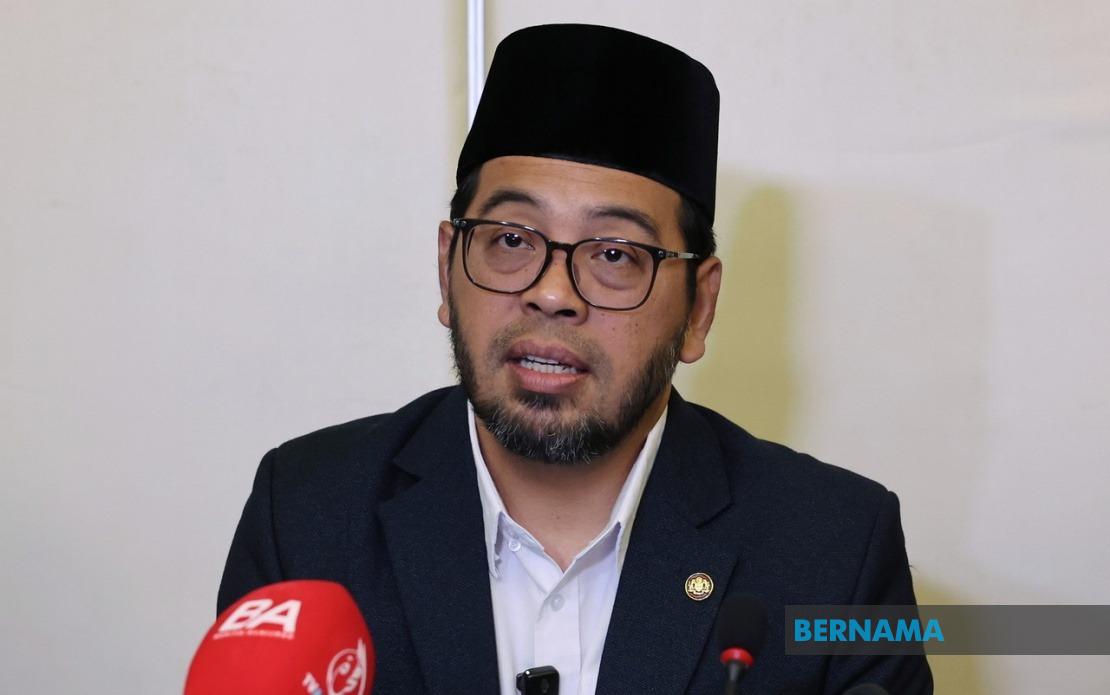
A special parliamentary sitting scheduled for August 11 will provide legislators with an opportunity to examine the findings of a Royal Commission of Inquiry into the management and operational failings at Lembaga Tabung Haji spanning the period from 2014 to 2020. The briefing will be led by Dr Zulkifli Hasan, the Minister in the Prime Minister's Department (Religious Affairs), who will walk MPs through the inquiry's conclusions before opening the floor for wider debate on the 211-page report.
The government's decision to make the Royal Commission findings public represents a significant move toward transparency regarding the pilgrimage fund's troubled recent history. The report was released on July 29 following Cabinet approval to disclose its contents to the public, signalling an intent to allow democratic scrutiny of an institution that manages the savings of hundreds of thousands of Malaysian Muslims preparing for the hajj pilgrimage. This approach contrasts with previous government practices of keeping sensitive inquiry reports under wraps, reflecting evolving expectations around accountability in public institutions.
Dr Zulkifli announced in a media statement that he will be supported by Finance Minister II Datuk Seri Amir Hamzah Azizan during both the initial briefing and the subsequent winding-up of parliamentary debate. This dual ministerial presence underscores the financial and religious significance of the inquiry's subject matter, requiring expertise spanning both portfolios. The arrangement also signals that responses to any parliamentary criticism will carry the weight of the Finance Ministry's authority, particularly if MPs raise concerns about investment decisions, fund allocation, or fiscal accountability.
The Cabinet has already signalled its intention to pursue consequences against individuals found to have played a role in the circumstances that prompted the inquiry. While Dr Zulkifli did not elaborate on the specific nature of such action—whether disciplinary, administrative, criminal, or employment-related—the statement suggests that the government will not treat the RCI report merely as a historical document but as the foundation for potential prosecutions or sanctions. This commitment will likely feature prominently in parliamentary questioning, with MPs seeking details about timelines, targets, and the basis for determining culpability.
The special sitting begins at 10 am, providing a full parliamentary day for the presentation and subsequent debate. Communications Minister Datuk Seri Fahmi Fadzil previously disclosed that at least 40 MPs had signalled their intention to participate in discussions around the report, indicating substantial legislative interest in the matter. Such numbers suggest that debate will extend well beyond perfunctory questions, with opposition and government backbenchers alike eager to extract commitments from ministers regarding both systemic reform and individual accountability.
Tabung Haji's difficulties have been a persistent concern for Malaysian Muslim savers who entrust the institution with their hajj savings and investments. The pilgrimage fund has faced repeated scrutiny over investment losses, governance lapses, and management decisions that eroded public confidence in its stewardship of pilgrim assets. The RCI's seven-year examination of operations during a critical period of institutional decline provides rare insights into the scale and nature of problems that accumulated within the fund, making its public release and parliamentary examination matters of genuine consequence for the Muslim community.
The inquiry's focus on the 2014 to 2020 period is particularly significant as it encompasses years during which global financial markets underwent substantial volatility, including the 2015 market downturn and the 2020 COVID-19 crisis. Whether the RCI attributes Tabung Haji's difficulties primarily to poor decision-making during these turbulent times, structural governance weaknesses, or inadequate risk management frameworks will substantially shape how MPs and the public assess the findings. This contextual understanding will prove essential for determining whether proposed reforms address root causes or merely surface symptoms.
The parliamentary examination arrives at a moment when Malaysian financial institutions and government entities face intensifying pressure to demonstrate competent governance and ethical management. Public confidence in institutional stewardship remains fragile following multiple high-profile scandals involving mismanagement and corruption. Tabung Haji's case therefore carries symbolic weight beyond the immediate financial interests of pilgrims, representing broader national concerns about whether public institutions can be trusted to manage assets responsibly.
Parliament's role in this process extends beyond passive receipt of information. MPs will have the opportunity to pose detailed questions about the RCI's methodology, challenge its findings if evidence permits, and demand specific commitments from the government regarding implementation of reforms and pursuit of accountability. The quality of parliamentary engagement will influence public perception of whether the inquiry represents a genuine attempt to address institutional failures or merely a box-ticking exercise in transparency that produces no meaningful consequences.
The government's approach to this matter may also influence perceptions of its broader governance agenda. Handling the Tabung Haji findings transparently and pursuing credible accountability measures would reinforce claims about institutional reform, while failures to do so would feed narratives about selective application of transparency principles. For Malaysian Muslims specifically, the parliamentary debate offers a critical moment to assess whether their elected representatives will vigorously defend their interests and demand meaningful change at an institution entrusted with their pilgrimage savings.

