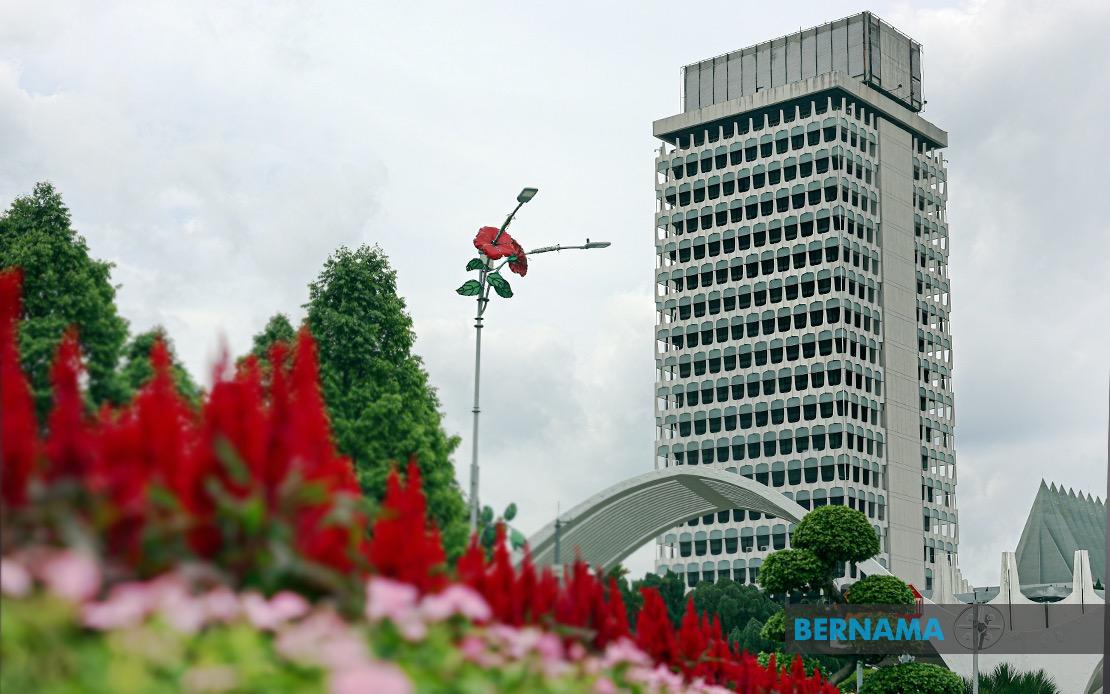
Malaysia's parliamentary session beginning today will spotlight two pressing international and domestic concerns: the country's push for reform of the United Nations Security Council system, and escalating anxieties about food supply vulnerability in the face of rising agricultural costs. The 16-day sitting of the Dewan Rakyat, scheduled to conclude on July 16, will feature debates and ministerial questions reflecting Malaysia's broader engagement with global governance structures and its strategic economic priorities in an increasingly volatile regional environment.
The question on UN reform, to be posed by Datuk Seri Sh Mohmed Puzi Sh Ali of the Pekan constituency, targets a longstanding Malaysian concern about the disproportionate power wielded by the Security Council's permanent members. Malaysia has historically advocated for a more representative and democratically accountable UN system that dilutes the veto authority currently concentrated among the world's superpowers. The question seeks clarity on how the Foreign Ministry intends to pursue this agenda internationally while simultaneously elevating Malaysia's own standing and influence within the organization. This reflects Malaysia's consistent diplomatic positioning as a champion of reforming multilateral institutions to better reflect contemporary geopolitical realities and the interests of smaller, non-aligned nations.
Parallel to these high-level diplomatic concerns, the parliamentary session will address an immediate domestic challenge posed by fluctuating global food markets and supply chain vulnerabilities. Member of Parliament Shaharizukirnain Abd Kadir will press the Agriculture and Food Security Minister on the government's comprehensive response strategy to anticipated food shortages. The question carries particular significance given the recent surge in agricultural input costs, a direct consequence of regional instability in West Asia that has driven up fertilizer, fuel, and logistics expenses. Malaysia, as a significant food importer, faces structural exposure to these cost pressures, which threatens the government's capacity to maintain affordable prices for staple commodities and to achieve greater domestic self-sufficiency.
The effectiveness of incentive schemes distributed to major food-producing states emerges as a critical performance metric in this discussion. The government has channelled financial support to encourage agricultural productivity in states like Kedah, Perak, and Johor, but the question implies uncertainty about whether these measures are producing tangible results in boosting output and reducing import dependency. This parliamentary query reflects growing public anxiety about Malaysia's food security posture and the adequacy of existing policy levers to counteract external shocks. The debate will likely expose tensions between short-term price stabilization objectives and longer-term structural reforms necessary to strengthen domestic production capacity.
A third substantial question will examine Malaysia's reliance on foreign military suppliers and the implications for national defence planning and strategic autonomy. Datuk Awang Hashim of the Pendang constituency will interrogate the Defence Ministry on how overseas procurement dependencies have constrained the development of indigenous defence capabilities and strategic asset infrastructure. The question specifically targets supply chain disruptions, delivery delays, and contract cancellations, suggesting systemic vulnerabilities in Malaysia's defence industrial ecosystem. This issue resonates beyond narrow military circles, reflecting broader concerns about the country's technological self-sufficiency and its strategic options during periods of international tension or sanctions.
The parliament will also consider questions regarding Malaysia's aspirations in the emerging green hydrogen sector. Rodiyah Sapiee, representing the Batang Sadong constituency in Sarawak, will seek details on how the government plans to coordinate national energy policy to support green hydrogen development, particularly through strategic partnership with the Sarawak state government. This query signals Sarawak's positioning as a potential green hydrogen production hub for Southeast Asia, leveraging its abundant renewable energy resources and strategic location. The question underscores the growing recognition that energy transition initiatives require coordinated federal and state-level engagement and that Malaysia's regional competitiveness increasingly hinges on leadership in clean energy technologies.
The legislative agenda includes seven bills scheduled for their initial reading, spanning communications regulation, multimedia governance, and the social work profession. The Communications and Multimedia (Amendment) Bill 2026 and the Malaysian Communications and Multimedia Commission (Amendment) Bill 2026 suggest ongoing efforts to modernize the regulatory framework governing Malaysia's telecommunications and digital media sectors. These amendments likely reflect evolving technological landscapes and the government's desire to ensure regulatory clarity for industry participants while protecting consumer interests.
The Social Work Profession Bill 2026 marks an important development in formalizing professional standards and credentials within Malaysia's social welfare sector. This legislation appears designed to establish clear qualification requirements and ethical frameworks for practitioners, potentially upgrading the professional status of social workers and improving service quality across government and non-governmental organizations. Such professionalization efforts typically follow from recognition that social work has expanded substantially in scope and complexity, requiring standardized training, credentials, and accountability mechanisms.
Beyond these new legislative proposals, the Dewan Rakyat will resume debate on the Control of Paddy and Rice (Amendment) Bill 2026, with the responsible minister concluding deliberations. This bill's continued attention reflects agriculture's political salience in Malaysia, particularly rice production's cultural significance and its implications for rural economies and national food security. Amendments to paddy and rice control mechanisms typically address pricing structures, production incentives, marketing arrangements, or quality standards, and their passage carries direct consequences for rice farmers and consumers alike.
The convergence of these parliamentary items—UN reform aspirations, food security vulnerabilities, military supply chain risks, green energy ambitions, and sectoral legislation—illustrates Malaysia's complex navigation of simultaneous domestic and international challenges. The government must simultaneously pursue global governance reform advocacy, manage immediate economic pressures affecting household food costs, strengthen strategic autonomy in defence and technology sectors, and position the nation advantageously in emerging clean energy markets. The parliamentary debates over the coming two weeks will reveal the government's prioritization calculus and its capacity to pursue coherent strategies across these multifaceted domains.

